
What’s Known
Pontine brain tumors are rare and potentially deadly due to difficulty accessing them, increased growth, and a lack of proper protocols in pregnant patients.
What’s New
These cases illustrated that rapidly progressive brainstem tumors in the second trimester might mimic common pregnancy symptoms, leading to critical delays in diagnosis and treatment. The report highlighted that even prompt neurosurgical intervention might not prevent poor maternal outcomes, underscoring the need for earlier neurological evaluation and clearer management guidelines.
Introduction
Brainstem tumors are heterogeneous neoplasms arising from the pons, midbrain, or medulla. They are classified according to their cellular origin, including ependymomas, oligodendrogliomas, astrocytomas, and mixed tumors. 1 Among these, gliomas are particularly rare (approximately 2%). However, they represent the most common brain tumors in young adults, making their presentation during pregnancy more likely. 1 Pontine tumors of various cellular origins remain extremely rare, and their true incidence is undetermined. Proposed risk factors include family history, advanced maternal age, and prior radiation exposure. 2
While direct tissue biopsy is the gold standard for diagnosis, most cases are diagnosed using contrast-enhanced magnetic resonance imaging (MRI). 3 Physiological and metabolic changes during pregnancy might accelerate glioma growth. Since tumor symptoms might mimic frequent pregnancy-related conditions and diagnostic imaging options are limited during gestation, definitive diagnosis and timely management are frequently delayed.
Currently, no established guidelines exist for diagnosing or managing brain tumors during pregnancy. Management depends on gestational age and tumor progression. In the first trimester, early termination (spontaneous or medical) may be necessary, whereas in the third trimester, delivery before maternal treatment is generally recommended. 4 The second trimester is particularly challenging because fetal viability has not yet been reached, requiring clinicians to balance maternal and fetal risks. 5
This paper presented two cases of second-trimester pregnancies complicated by brainstem tumors, illustrating the diagnostic and therapeutic challenges associated with these rare conditions.
Case Presentation
This study received Ethics Committee Approval from Shahid Beheshti University of Medical Sciences, Tehran, Iran (IR.SBMU.RETECH.REC.1404.370). Written informed consent was obtained from the legal guardians of both patients.
The First Case
A 23-year-old pregnant woman, gravida: 2, parity: 1, living child: 1 (G2P1L1), at 21 weeks and 2 days of gestation by last menstrual period (LMP), presented with dysphagia, sore throat, and a 3-week history of facial palsy, which had previously been treated with prednisolone and acyclovir. She had a history of a cesarean section 5 years earlier for breech presentation. On admission, her airway was stable. The vital signs and oxygen saturation were normal, and lower cranial nerve palsy was noted. Neurological and musculoskeletal examinations were otherwise unremarkable. Fetal heart rate was 142 bpm, and the ultrasound confirmed a normal singleton pregnancy at 18 weeks and 4 days (HC=156 mm).
A neurology consultation was requested due to the patient’s neurological symptoms. Brain MRI without contrast revealed an infiltrating T2-hyperintense mass in the right pons, extending into the middle cerebellar peduncle and around the fourth ventricle, involving the cranial nerves and medulla. The differential diagnosis included demyelinating lesions and brainstem glioma (figure 1). Five days after admission, the patient required intubation due to worsening respiratory function and a declining Glasgow Coma Scale score. Radiotherapy was recommended. However, it could not be performed due to her instability. A spontaneous abortion occurred 12 days after admission, followed by respiratory failure and eventual death.
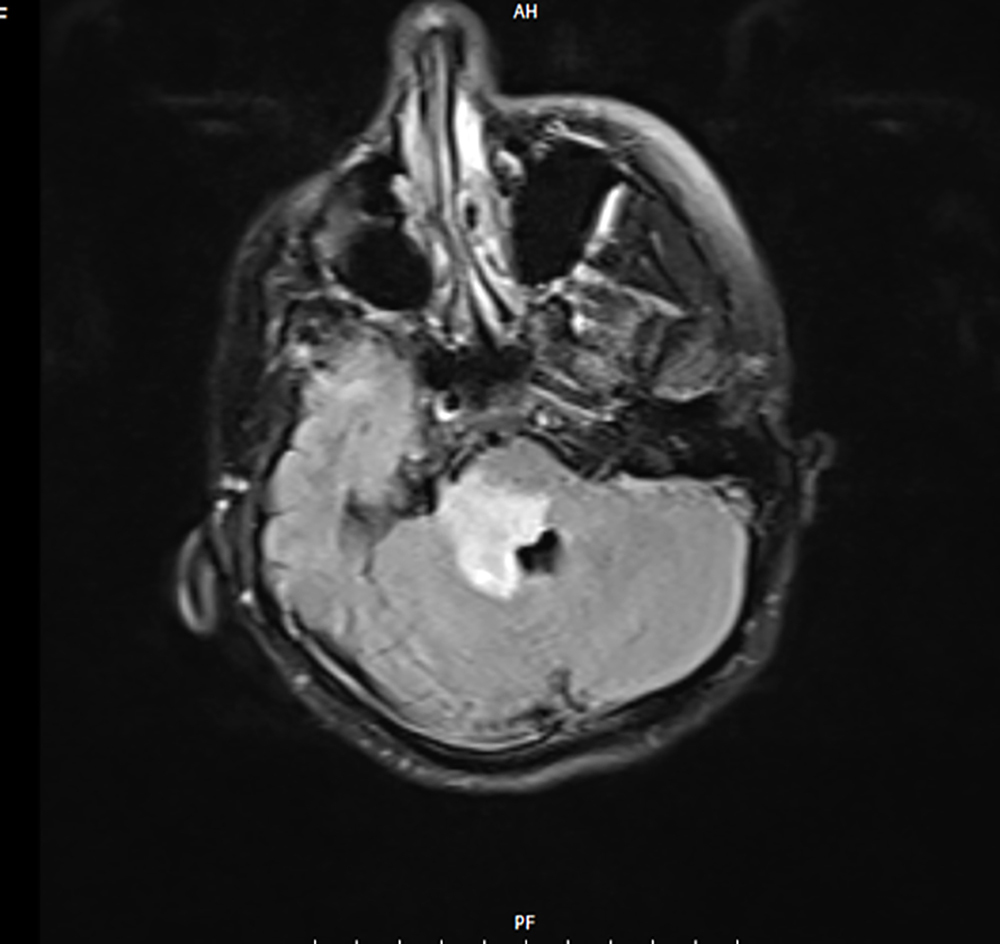
Figure 1. The figure shows a brainstem tumor MRI in a pregnant patient with contrast enhancement. The soft tissue involvement is prominent in the image.
The Second Case
A 42-year-old pregnant woman, gravida: 2, abortion: 1 (G2A1), at 23 weeks of gestation, presented with dysphagia and left-sided limb weakness. She was compliant with prenatal care and reported persistent nausea and vomiting throughout the first and second trimesters, resulting in a 10-Kg weight loss. She was initially hospitalized with suspected hyperemesis gravidarum. Due to the progressive neurological symptoms, further imaging was performed.
At presentation, the patient weighed 52 Kg (BMI: 23). The fetal heart rate was 144 bpm. She was able to swallow only liquids. Muscle strength was reduced in the left upper and lower extremities, while cranial nerve examination was normal. Ultrasound revealed a normal male fetus with appropriate biometry. MRI without gadolinium identified a mass in the fourth ventricle exerting pressure on the brainstem and causing ventriculomegaly (figure 2).
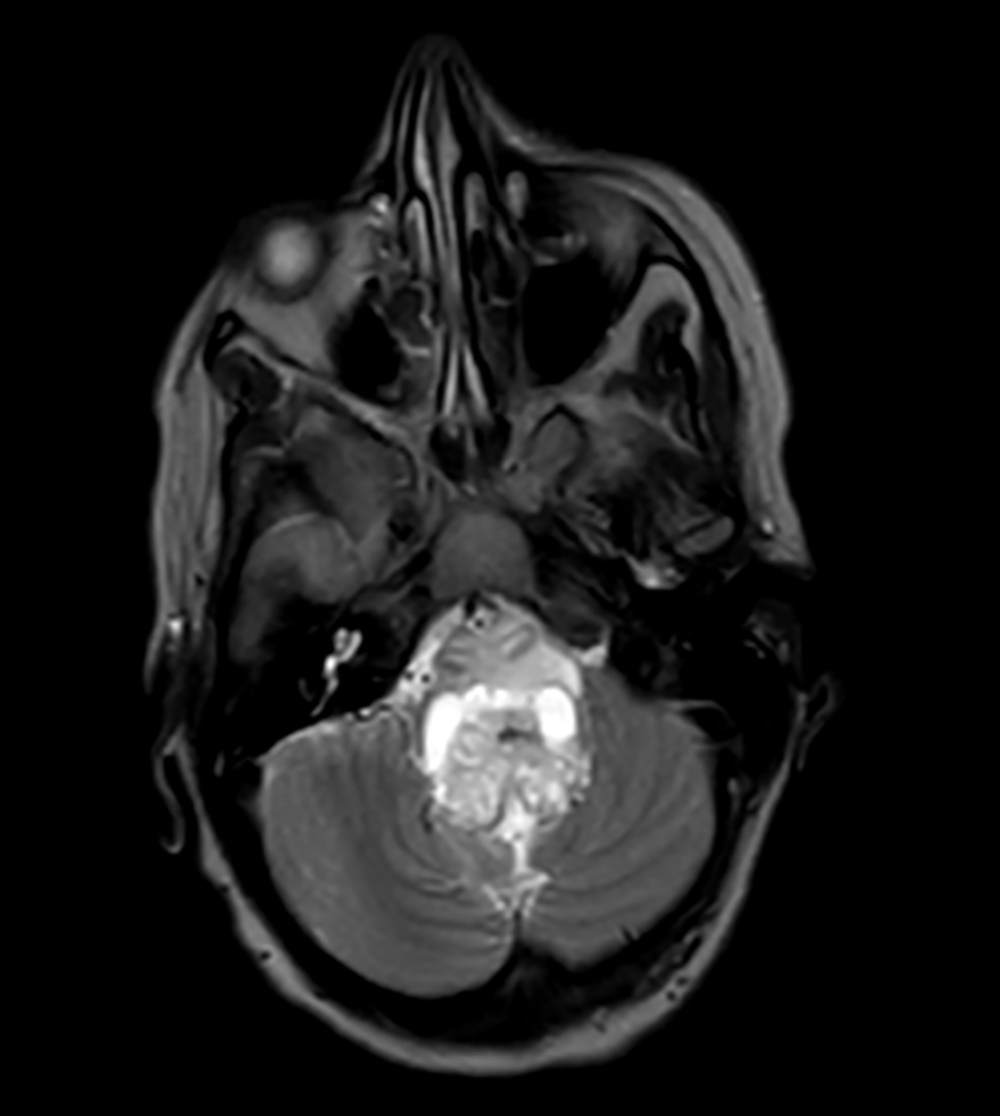
Figure 2. The image shows a brain MRI of a 23-week pregnant patient with a pontine tumor and its involvement of brain structural components. There is a 27*31 mm mass in the fourth ventricle with internal cystic components, with hydrocephaly due to mass effect. Ependymoma and subependymoma tumors are in the differential diagnosis.
An external ventricular drain (EVD) was placed within 24 hours, which relieved the headache and improved swallowing. The patient was transferred to the intensive care unit (ICU), and tumor resection was planned. On the second hospital day, she developed preterm premature rupture of membranes (PPROM). Given maternal instability and fetal non-viability, a cesarean section was performed under general anesthesia after a multidisciplinary consultation involving neurosurgery, anesthesiology, perinatology, and the institutional legal committee.
A 4-cm tumor was resected (figures 3 and 4). Two days postoperatively, the patient’s condition deteriorated rapidly, and imaging revealed a massive intracranial hemorrhage (figures 5 and 6), leading to her death.
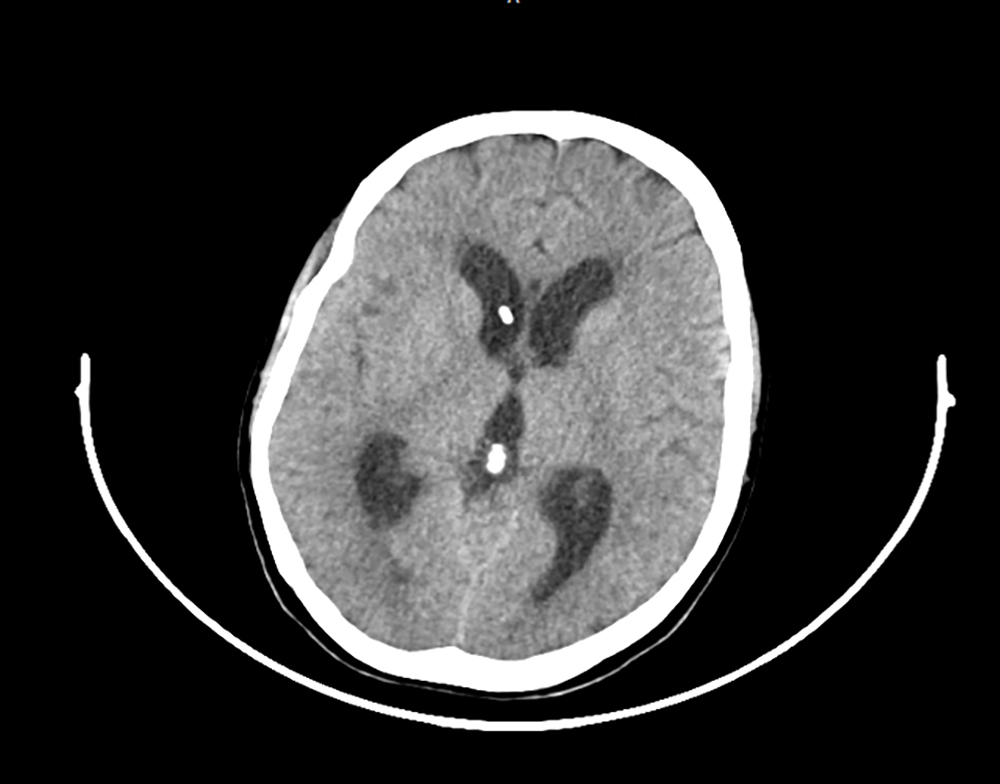
Figure 3. The image shows a brain CT scan after placement of an external ventricular drain (EVD) for pressure decompensation secondary to tumor-related obstruction. A right frontal burr hole is present, with the EVD catheter positioned in the right lateral ventricle. Ventriculomegaly is noted.
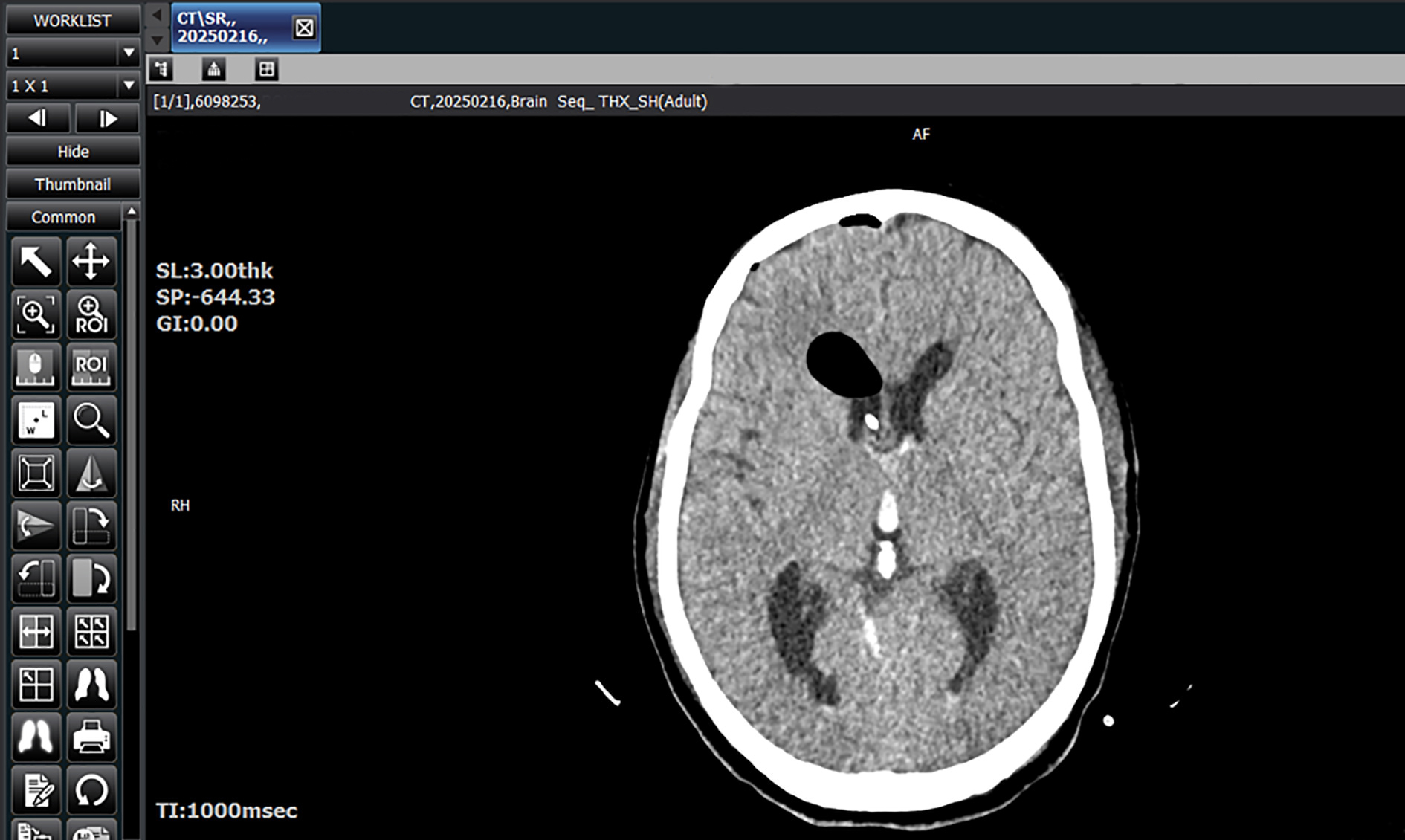
Figure 4. The figure shows brian CT scan performed postoperatively following tumor resection.
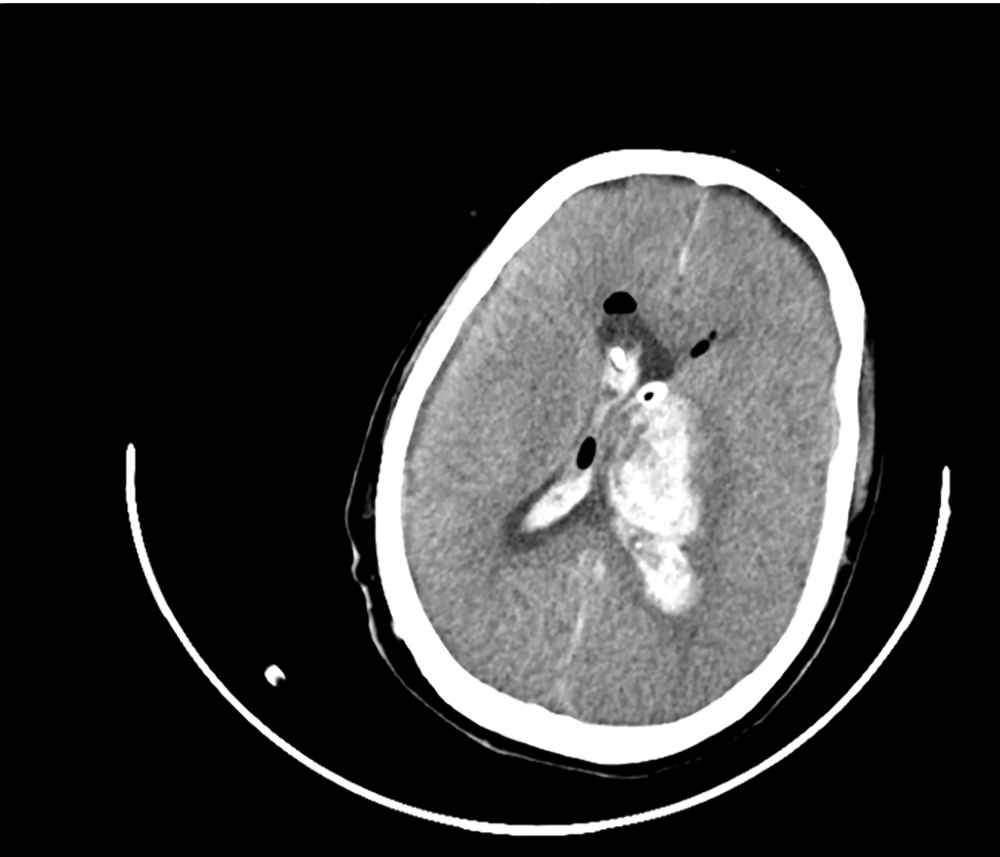
Figure 5. Brain CT scan demonstrates severe intracranial hemorrhage 2 days after tumor resection surgery.
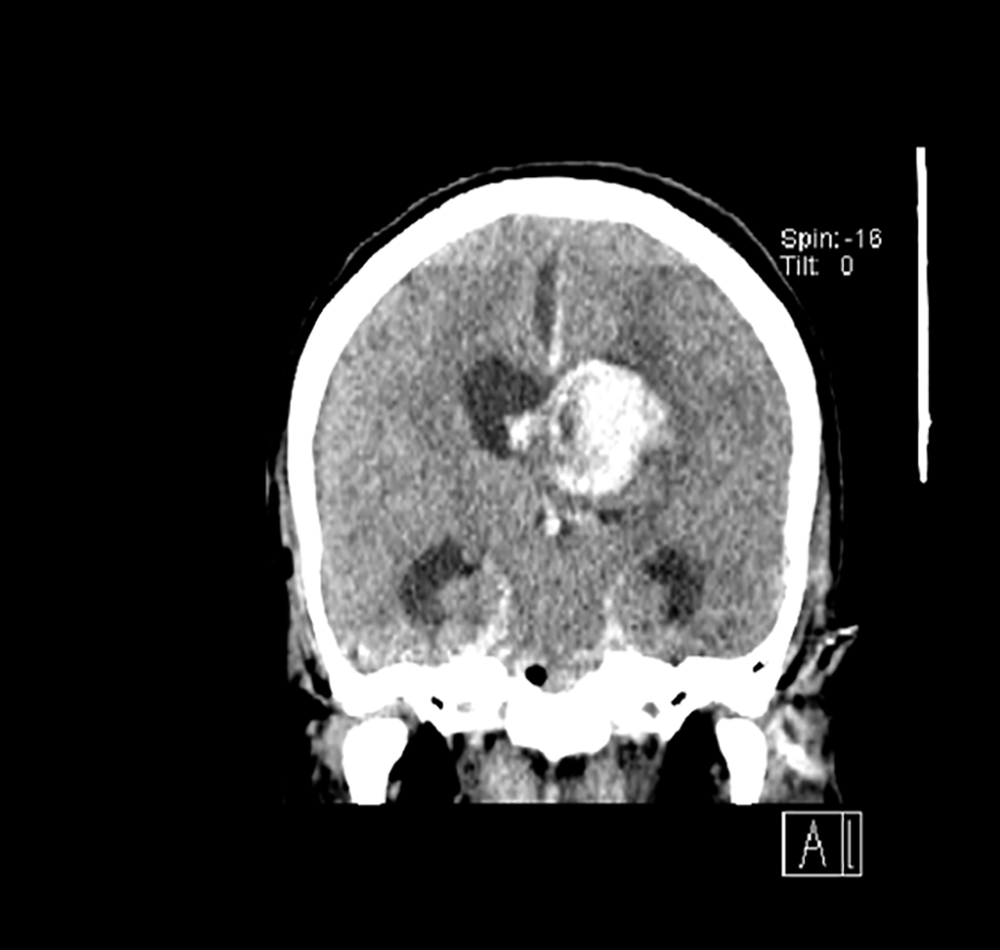
Figure 6. Coronal brain CT scan demonstrates severe intracranial hemorrhage 2 days after tumoral resection surgery.
Discussion
In the first case, gestational age precluded early delivery, and the patient experienced pregnancy loss associated with disseminated intravascular coagulation (DIC) and rapid neurological decline. Surgical resection was not feasible due to the tumor’s pontine location, and radiotherapy could not be administered because of the patient’s clinical instability. The literature suggested that in early gestation with aggressive malignant glioma, therapeutic termination might be considered to permit timely maternal oncologic treatment.
Reviewing available case reports and small series shows divergent approaches depending on gestational age, tumor histology, and rate of progression. Delaying treatment in rapidly progressive tumors risks irreversible neurological compromise and death, whereas immediate aggressive therapy in early gestation may jeopardize fetal survival. Molina-Botello and colleagues highlighted similar management conflicts and noted that evidence was largely observational and limited to case series. 6
The timing of maternal therapy remains a major clinical dilemma. Brain tumors substantially increase maternal mortality risk, and prompt intervention is often compulsory. Rodrigues and others reported that in patients with stable neurological status, it might be reasonable to defer treatment until fetal viability. However, they emphasized individualized decision-making based on tumor behavior and maternal condition. 7
Zohdy and others proposed an algorithm for managing brain tumors in pregnancy, recommending continuation of pregnancy into the second trimester for symptomatic first-trimester patients and considering termination with prompt maternal treatment for late second- or third-trimester disease, depending on maternal status and fetal viability. 8
In our two cases, both patients presented in the early second trimester. Expectant management was initially considered. However, it ultimately proved detrimental—one patient suffered spontaneous abortion and rapid decline, and the other died postoperatively from massive intracranial hemorrhage despite surgical intervention.
Several practical points could be derived from these cases. A high index of suspicion is required when pregnant patients present with persistent or progressive neurological symptoms (e.g., refractory headache, prolonged nausea/vomiting not attributable to hyperemesis, cranial nerve palsies, or focal deficits), and early neuroimaging should be considered. MRI without gadolinium is the preferred initial imaging modality in pregnancy. However, a lack of contrast might limit diagnostic specificity. Once possible, the risks and benefits of contrast administration should be discussed in a multidisciplinary setting. Management must be individualized by a multidisciplinary team, including neurosurgery, neuro-oncology, obstetrics/perinatology, neonatology, anesthesiology, and ethics/legal advisors, balancing maternal prognosis, tumor biology, and gestational age. When maternal neurologic status is unstable, or the tumor is rapidly progressive, prioritizing maternal survival—potentially via termination if early in pregnancy—should be strongly considered to enable timely oncologic therapy. Surgical intervention could be lifesaving for obstructive lesions or raised intracranial pressure (e.g., ventriculostomy for hydrocephalus), while it carries perioperative risks that might be amplified in pregnancy, including coagulopathy, hemodynamic instability, and anesthetic challenges.
We recommend maintaining a low threshold for neuroimaging (MRI without gadolinium) in pregnant patients with persistent or progressive neurological symptoms unresponsive to standard therapy. A multidisciplinary team should be assembled early, including neurosurgery, neuro-oncology, obstetrics/perinatology, neonatology, anesthesiology, and legal/ethical advisors. Decisions regarding pregnancy continuation, timing of delivery, and oncologic therapy should be individualized according to maternal neurological status, tumor aggressiveness, and fetal viability. Therapeutic termination should be considered in early gestation when maternal life is at imminent risk, and immediate oncologic treatment is required. Besides, regional referral pathways and protocols for pregnant patients with suspected intracranial neoplasms should be established to expedite diagnosis and treatment.
Conclusion
Brainstem tumors during pregnancy are rare, with the incidence of malignant brain tumors estimated at approximately 3.6 per million live births. Physiological changes during pregnancy—including increased total body water and peritumoral edema—might accelerate tumor expansion and exacerbate neurological symptoms. Additionally, elevated levels of estrogen and progesterone could be implicated as potential promoters of glioma proliferation. Brainstem tumors in pregnancy present complex diagnostic and therapeutic challenges that require prompt recognition and individualized, multidisciplinary management. In both presented cases, delays in diagnosis and limitations imposed by gestational age and maternal instability contributed to poor maternal outcomes.
Acknowledgment
The authors would like to thank the Department of Obstetrics and Gynecology at Shohada Hospital (Tehran, Iran) for their unconditional assistance in preparing this article.
Authors’ Contribution
T.A: Contributed to the conception or design of the work, drafting the work and reviewing it critically for important intellectual content; P.B.M: Substantial contributions to the conception or design of the work; interpretation of data for the work; drafting the work and reviewing it critically for important intellectual content; N.R: Substantial contributions to the conception of the work, drafting the work; S.O.Y: Substantial contributions to the conception and design of the work; drafting the work. All authors have read and approved the final manuscript and agree to be accountable for all aspects of the work in ensuring that questions related to the accuracy or integrity of any part of the work are appropriately investigated and resolved.
Declaration of AI
The authors declare that no AI tools were used in the preparation of this manuscript.
Conflict of Interest
None declared.
References
- Hu J, Western S, Kesari S. Brainstem Glioma in Adults. Front Oncol. 2016; 6:180. Publisher Full Text | DOI | PubMed [ PMC Free Article ]
- Rosen A, Anderson V, Bercovici E, Laperriere N, D’Souza R. Brainstem gliomas in pregnancy: a systematic reviewdagger. J Matern Fetal Neonatal Med. 2020; 33:2841-51. DOI | PubMed
- van Westrhenen A, Senders JT, Martin E, DiRisio AC, Broekman MLD. Clinical challenges of glioma and pregnancy: a systematic review. J Neurooncol. 2018; 139:1-11. Publisher Full Text | DOI | PubMed [ PMC Free Article ]
- Shiro R, Murakami K, Miyauchi M, Sanada Y, Matsumura N. Management Strategies for Brain Tumors Diagnosed during Pregnancy: A Case Report and Literature Review. Medicina (Kaunas). 2021; 57Publisher Full Text | DOI | PubMed [ PMC Free Article ]
- Goyal S, Yadav A, Madan R, Chitkara A, Singh R, Khosla D, et al. Managing brain tumors in pregnancy: The oncologist’s struggle with maternal-fetal conflict. J Cancer Res Ther. 2022; 18:5-18. DOI | PubMed
- Molina-Botello D, Rodriguez-Sanchez JR, Cuevas-Garcia J, Cardenas-Almaraz BV, Morales-Acevedo A, Mejia-Perez SI, et al. Pregnancy and brain tumors; a systematic review of the literature. J Clin Neurosci. 2021; 86:211-6. DOI | PubMed
- Rodrigues AJ, Waldrop AR, Suharwardy S, Druzin ML, Iv M, Ansari JR, et al. Management of brain tumors presenting in pregnancy: a case series and systematic review. Am J Obstet Gynecol MFM. 2021; 3:100256. DOI | PubMed
- Zohdy YM, Agam M, Maldonado J, Jahangiri A, Pradilla G, Garzon-Muvdi T. Symptomatic intracranial tumors in pregnancy: an updated management algorithm. Illustrative case. J Neurosurg Case Lessons. 2023; 5Publisher Full Text | DOI | PubMed [ PMC Free Article ]


