
What’s Known
Cosmetic surgery has become increasingly popular in the Gulf Cooperation Council (GCC), influenced by globalization, social media, and evolving beauty standards. Previous studies highlight the rising demand for both surgical and non-surgical procedures, with a focus on female patients and the impact of societal pressures on body image perceptions.
What’s New
This study explores gender trends, regulatory frameworks, and ethical dilemmas in the GCC, addressing gaps in male cosmetic surgery participation and long-term psychosocial outcomes. It provides a region-specific analysis of cultural and religious influences on cosmetic surgery decisions, contributing to policy discussions on patient safety and informed decision-making.
Introduction
Beauty has long been revered by society. In Greek myths, beauty was considered divine and linked to the timeless ideals of proportion and perfection. 1 Among several ancient civilizations, such as the Egyptians and Chinese, beauty entails symmetry and proportion, linking it to something spiritual or ethical. 2 In the Western sense, “social beauty” implies other things as slimness, a light tan, a small nose, and a large brow. 3 By contrast, the Hadza of Tanzania are noted for fuller body shapes, illustrating how culture and environment shape aesthetic preferences. 4 Additionally, the growing body positivity movement suggests that beauty encompasses more than appearance, embracing self-acceptance and individuality and reflecting broader societal ideals about health and authenticity. 5
Cosmetic procedures include both surgical and non-surgical techniques, either alone or in combination, to maintain, restore, or significantly alter a person’s physical appearance to achieve desired beauty outcomes. 6 Over the last decade, demand for these treatments has grown worldwide. This pattern is even more pronounced in the Gulf Cooperation Council (GCC) countries. Rapid economic development, evolving cultural norms, and shifting beauty paradigms are increasingly shaping the landscape of cosmetic surgery in the region. 7
Historically, cosmetic surgery was considered either taboo or a privilege for the elite. However, it has now become more accessible across various socioeconomic groups. 8 The key involvement of forces, such as globalization of beauty standards, social media influence, and the yearning to exhibit signs of youth, success, and perfection, has stimulated that changing dynamic. Within the Arab world and, specifically, the GCC, this intensity can be gauged further by the characterization of traditional values combined with the forces in the midst of globalization. 9 Societal attitudes have become more perceptive and now regard cosmetic surgery in GCC as an avenue of self-enhancement.
This narrative review intends to consolidate contemporary research on emerging trends in cosmetic surgery, beliefs about the body, and societal expectations in the GCC context and their implications for healthcare, cultural norms, and regulatory policies. The objectives of this review are to analyze the evolving perceptions of beauty and their impact on the demand for cosmetic surgery in the GCC region, explore the psychological, social, and cultural factors that influence decisions related to cosmetic surgery, and identify gaps in the existing literature.
Types of Cosmetic Surgery and Their Prevalence in GCC Countries
A growing trend toward substantial advances in cosmetic surgery is evident in GCC countries, reflecting the diverse cultures that shape both surgical and nonsurgical practices, and their respective social, cultural, and financial dimensions. Figure 1 depicts the different types of cosmetic surgeries currently in trend.
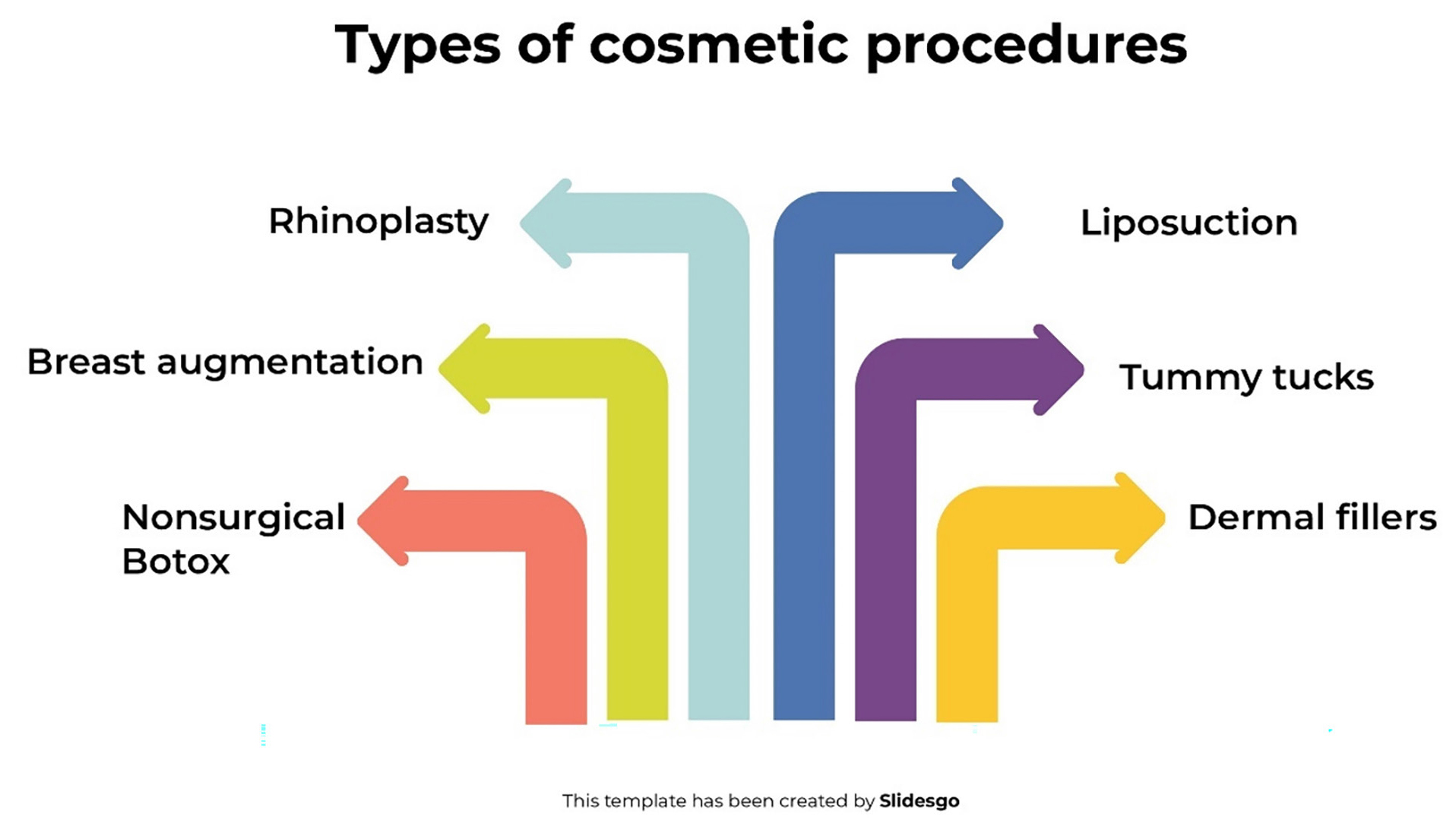
Figure 1. This diagram shows the different types of common cosmetic procedures performed in the GCC countries.
Beyond considerations of beauty and affluence, medical tourism has driven cosmetic services to attract a broader influx in the United Arab Emirates (UAE). Rhinoplasty, liposuction, and breast enhancement are among the most popular procedures, along with tummy tucks, which are especially sought after by women. The robust health system in the UAE and the introduction of many internationally trained surgeons have also established the country as a hub for advanced cosmetic procedures. 10 , 11 The cosmetic surgery trends in Saudi Arabia are quite traditional, but modern at the same time. A study states that popular procedures include Botox, fillers, and rhinoplasty. 12 Occasionally, there may also be cosmetic breast surgeries and liposuctions, but this is much less common, as the ideals or concepts of beauty evolve within the minds of Saudi women. 13 Another upcoming trend, especially among men, is that of male breast reduction surgery (gynecomastia), which signifies the growing cosmetic concerns among Saudi men. 14 In Kuwait, cosmetic surgery is closely linked to cultural and social expectations surrounding female beauty. Non-surgical Botox and fillers are popular because of their effectiveness in providing immediate results. Rhinoplasty remains a preferred surgical option, typically favored for enhancing facial symmetry and refinement, trends that align with global patterns. Other common aesthetic procedures are liposuction and contouring. 15 Oman is experiencing a rising interest in cosmetic surgery. Culture, however, is a hindrance to most of the procedures. Most people visit salons only for Botox and dermal fillers, as they do not seem to affect the culture of modesty. Rhinoplasty or liposuction has gradually been accepted among some young people who are inclined toward Western ideals of beauty. 16 , 17 Bahrain mirrors other GCC countries in cosmetic surgery, with a clear preference for non-invasive treatments, such as Botox and fillers. Procedures such as rhinoplasty and liposuction are gaining more acceptance. 18 , 19 Qatar is the new GCC hub for cosmetic surgery, meeting both surgical and non-surgical demand. Botox, fillers, and different skin rejuvenation products dominate non-invasive treatment categories that keep individuals looking young. Rhinoplasties and abdominoplasties remain more common among women, while men tend to prefer these procedures as part of their beauty enhancement routines. 20
Trends of Procedures with Age and Gender
Cosmetic surgery trends in the GCC countries are evolving, with age and gender playing pivotal roles in determining preferences for procedures.
Age Trends: There has been a real shift in the ages of people getting cosmetic surgeries, with an increasing number of younger individuals pursuing these procedures. 21 According to the study conducted in Saudi Arabia, the most common age range for individuals seeking cosmetic alterations is between 20 and 40 years, although people over 40 are not excluded and are increasingly opting for cosmetic procedures. Trends show that younger Saudis are becoming more interested in undergoing cosmetic surgery as societal norms shift and the influence of social media grows. 13 Although individuals over 40 participate in cosmetic surgery, their numbers are comparatively lower. Arkoubi and colleagues report that the least common age group undergoing cosmetic procedures is 51-60 years old. 22 For women aged 35-50 years, breast augmentation, liposuction, and eyelid surgery are some of the most preferred procedures shaping the post-pregnancy shape of the body. 23
Gender Trends: Gender hugely contributes to trends in cosmetic surgery across the GCC. Most patients are women seeking cosmetic options due to the beauty standards imposed by society and for increased self-esteem. The most common surgical operation among women is breast augmentation, which is often combined with liposuction and abdominoplasty, while Botox and dermal fillers are among the most popular non-surgical options. 22 Although men remain a minority among patients, they are increasingly undergoing cosmetic or aesthetic surgeries. Most common procedures include gynecomastia surgery, liposuction, and eyelid surgery. Non-invasive treatments such as Botox and hyaluronic acid injections are surging in popularity as well. 22 In traditionalist GCC communities with culturally stifled discussions of male body image, men might be affected by what is known as internalized stigma or unwillingness to discuss aesthetic preoccupations openly. This can lead to reticence and delayed presentation. It is therefore crucial to accommodate male-specific drivers and hindrances in formulating gender-sensitive cosmetic care paradigms in the region.
Factors Influencing Cosmetic Surgery Decision
Cosmetic procedures are progressively popular, and according to a pattern, women in GCC are being influenced by several factors, such as body image dissatisfaction, strong influences of social media, and the irresistible quest for bodily perfection. 24 Media plays a significant role in this trend by promoting unrealistic beauty standards, encouraging individuals to seek surgical means to achieve an idealized appearance. 25 A survey in Saudi Arabia noted the main reasons for pursuing cosmetic surgery included gaining beauty to be at par with others in attractiveness, gaining security in marriage, and looking younger to peers. 13 For decades, mass media have decisively influenced personal appearance choices by propagating unrealistic beauty standards in magazines, television, and films. 26 , 27
Morait and colleagues developed the Acceptance of Cosmetic Surgery Scale (ACSS) to target the underlying motivations for undergoing cosmetic procedures. They found out that personal reasons carried more weight in the decision to undergo cosmetic surgery than social factors. 27 This suggests that individuals are primarily driven by personal desires for self-improvement rather than external pressures. 28
Almajnoni and colleagues conducted a study on 1249 individuals (85% female, 15% male). They reported an overall acceptance rate of 54.2% for cosmetic surgery and significant correlations between acceptance levels and factors such as gender, age, marital status, and occupation (P<0.001). Education and financial status were found not to be significantly associated. 29 Conversely, Alkhatami and colleagues discovered that among 1685 female subjects, the proportions of students (62.6%), singles (73.6%), and younger demographics (18-23 years, 65.8%) were significant. An alarming 70.5% of all respondents were aware of possible adverse effects from cosmetic surgery, which significantly reduced acceptance rates to 38.9%. The study further emphasized that age, socioeconomic status, occupation, education level, and income all contributed to the overall direct effect on decision-making. 25
Time spent on social media and exposure to appearance-related content seem to align with higher levels of body image concerns and being prone to getting cosmetic surgery. 30 For instance, a study by Badi and colleagues, on 653 people residing in Saudi Arabia, included most females (74.9%), with 98.3% using social media and 93.4% taking selfies. Among people who took selfies, 37.8% reported wanting cosmetic procedures because of their selfies, and 85% of those individuals were women. 31 Research on the influence of social media and presentation of oneself through visual images shows that individuals’ perceptions of their bodies are likely to lead them to accept invasive standards for beauty. Figure 2 summarizes the factors that influence their cosmetic surgery decision.
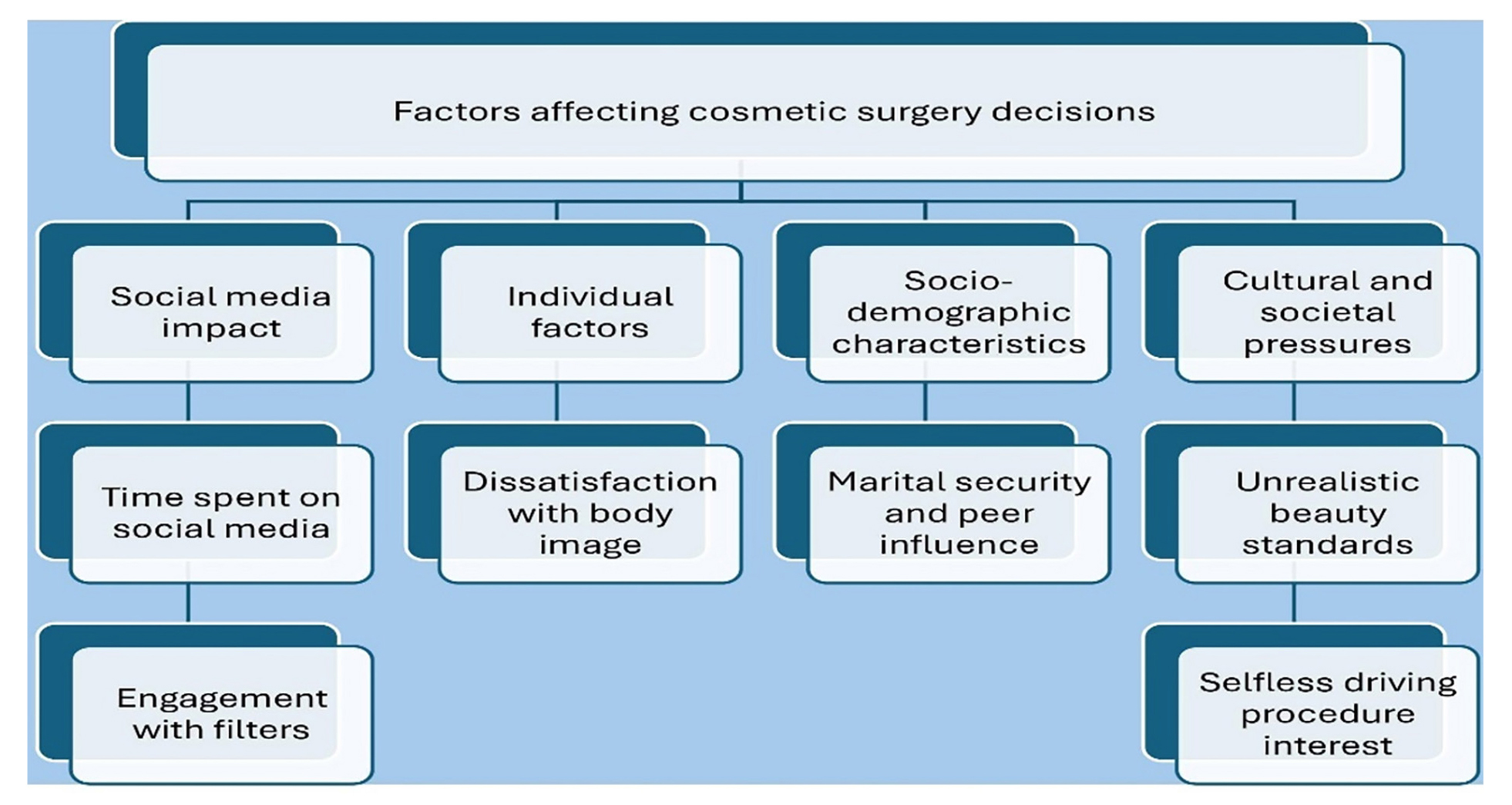
Figure 2. The flow diagram shows the factors affecting cosmetic surgery decisions in the GCC.
Health and Ethical Implications
Physical Health Implications: The increase in cosmetic procedures can lead to both positive and negative outcomes. Successful cosmetic surgery can improve self-worth and body image, contributing to a more positive outlook and mental wellness. On the other hand, surgical complications, such as infections and suboptimal results, present serious risks to physical health. The bright side is that some surgeries, such as breast reduction or nose reshaping, provide physical relief, improve function, and, totally, enhance the quality of life. 32 , 33 However, similar to any surgery, cosmetic treatment includes risks of infections, major bleeding, and scarring, as well as anesthesia complications. 34 , 35 Long-term problems are also possible, including leaks from the implants, or tightening of the tissues in breast surgery, or tissue death in more serious procedures. 36 Additionally, some patients may feel dissatisfied with the aesthetic outcome, prompting revision surgery that can increase health risks. 37
Mental Health Considerations: Cosmetic surgical interventions are intricately connected to psychological well-being, indicating that the extent of influence fluctuates based on the unique motivations, anticipations, and psychological conditions of each patient. Empirical research has demonstrated that cosmetic surgery can enhance an individual’s self-perception, elevate self-assurance, and promote the overall quality of life for the individual. 38 For procedures such as rhinoplasty or liposuction, aligning external appearance with one’s preferred image can contribute to improved psychological well-being. 39 However, it should be understood that the benefits are not universal and that many can lead to dissatisfaction with outcomes or an increase in post-surgery anxiety. The result is psychological conditions such as BDD. 40 Individuals with BDD, who perceive minor or non-existent flaws as severe, are more likely to seek repeated surgeries, which may exacerbate their condition instead of alleviating it. 41 The psychological dependence on cosmetic practices might also result in a vicious cycle of dissatisfaction that may lead to depression and anxiety. 42 , 43 A cross-sectional study in Jeddah reported 19.2% of cosmetic-seeking patients screened positive for BDD, 44 while a Riyadh dermatology/plastic surgery clinic reported 50% prevalence among those with appearance concerns. 45 Additionally, a separate study among rhinoplasty candidates in Saudi Arabia found a 14.2% rate of BDD. 46 Given the growing prevalence of cosmetic procedures in the GCC, specifically among youth, driven by global beauty standards promoted through social media, there is an urgent need for longitudinal research to assess mental health effects beyond the immediate recovery period. This type of research would ascertain whether cosmetic interventions improve self-esteem and body image in the long term or merely suppress manifestations of deeper psychological vulnerability, such as BDD. Culturally sensitive methodologies in future research are essential to capture subtle effects and to guide more ethical evidence-based practice in the region.
Ethical Concerns: The morality of promoting beauty standards through cosmetic treatments in GCC countries is a complex and multi-layered issue. There have been increased pressures on society due to the clash between old values and new global beauty standards. In such contexts, individuals, especially women, are often thrust toward cosmetic surgery to conform to newly defined beauty standards. 47 , 48 This brings about moral controversies, such as whether cosmetic clinics, surgeons, and advertisers narrow the field of beauty standards, probably by exploiting sentiments of low self-esteem or dissatisfaction with body image. 49 GCC-centric aggressive advertising from clinics and influencers further heightens these strains, mostly among the youth who may not be able to make wise decisions. People sometimes choose potentially unnecessary or risky interventions because societal pressures influence their freedom to decide. The physical, mental, ethical, and cultural implications are summarized in table 1.
| Implications | Aspect | Problem | Improvement strategy |
|---|---|---|---|
| Physical | Positive outcomes: | Short-term risks: | - Skilled practitioners |
| - Physical relief | - Infections | - Thorough preoperative evaluations | |
| - Improved function with, for example, breast reduction or nose reshaping. 39 , 40 | - Bleeding | - Informed consent. | |
| - Anesthesia complications. 41 , 42 | |||
| Long-term problems: | |||
| - Leak from implants | |||
| - Tightening of tissues in breast surgeries | |||
| - Tissue death in other procedures. 43 | |||
| Mental | - Enhanced self-perception | Short-term risks: | - Psychological assessment by mental health experts to help them set achievable goals and tackle any deep-seated issues. |
| - Confidence because the surgery matches the patient’s preferred body image to their outside appearance. 44 - 46 | - Anxiety | ||
| - Dissatisfaction | |||
| Long-term study: | |||
| - In Norway, teenagers who had undergone cosmetic surgery had more anxiety, depression, and self-harm than their friends who did not. 43 | |||
| Ethical | - Societal pressures and media-driven beauty standards create conflicts, especially in culturally sensitive regions such as the GCC. 47 | - Exploitation of insecurities through advertising | - Promote ethical advertising |
| - Overemphasis on aesthetics | - Ensure resource allocation fairness | ||
| - Compromising the principle of nonmaleficence | - Balance traditional values with modern trends. | ||
| - Misallocation of healthcare resources. 11 , 48 |
Policy and Regulation Implications
The impact of governmental regulations on the field of cosmetic surgery has become highly significant in the GCC region.
Licensing and Accreditation: The GCC countries have strict requirements for the licensing of surgeons and clinics. In the UAE, for instance, practitioners can be licensed only if they hold specialized certification, and they undergo regular assessments. This ensures that patients are treated by qualified individuals who stay abreast of the latest advancements. 50 The same protocols are enforced in Saudi Arabia by the Saudi Commission for Health Specialties, ensuring that only qualified experts are allowed to practice. 51
Protecting Patients’ Rights: Patient safety remains the central focus of these policies. For example, in Qatar, consent forms go beyond mere formalities—they serve as comprehensive documents outlining the risks and aftercare, enabling patients to make informed choices. 20 Bahrain has taken further steps by conducting periodic clinic inspections to assess hygiene and safety standards. These measures enhance the quality of care and foster trust between patients and care providers. 52
Cross-Border Medical Tourism: The GCC’s popularity as a cosmetic surgery hub attracts patients from around the world, but this fame introduces its own set of challenges. Countries such as the UAE have their unique programs to accredit clinics that serve international patients. 53 Saudi Arabia is now becoming an increasingly strong player in the field of medical tourism, especially in cosmetic and aesthetic treatments. It has invested heavily in establishing very modern hospitals and specialized clinics that provide world-class services. 54 Thus, the country is increasingly attracting patients not only from neighboring areas but also from abroad.
Gaps in Literature
It is known that considerable work has been done on cosmetic surgery and body image. However, major gaps still exist in the area, especially within the GCC countries.
Geographical Representation: The majority of studies concerning cosmetic surgery trends in the GCC have concentrated on the UAE and Saudi Arabia. There, however, are missing insights and experiences from the other member states, such as Qatar, Kuwait, Bahrain, and Oman. For instance, the UAE and Saudi Arabia have attracted considerable attention, while Oman and Bahrain have received comparatively less, despite their robust healthcare systems and strong economies.
Cultural and Religious Influences: While the influence of culture and religion on cosmetic surgery choices is widely studied globally, research focusing specifically on the GCC remains scarce. The values of Islam, which place significant importance on modesty, are crucial in shaping perceptions of physical appearance and surgical modifications. 55 In the GCC region, the process of opting for cosmetic surgery is complicated by psychological tension based on Islamic values of modesty and the body’s sanctity. Such beliefs create feelings of guilt or religious conflict among women to balance religious teachings with contemporary ideals of beauty. 56 In contrast, increased social pressure along with media influence generates feelings of anxiety and inner conflict. However, a gap remains in understanding how cultural sensitivity, religious frameworks, and traditional practices shape cosmetic surgery decisions in the GCC.
Stigma and Social Perceptions: The negative perceptions associated with cosmetic surgery in conservative regions such as the GCC have not been thoroughly examined yet. Although there is clear evidence of growing acceptance for these procedures, the public’s views on those who choose to have surgery, 57 especially in rural or more traditional communities, are poorly documented.
Long-Term Psychological and Social Outcomes: Research presently conducted mostly involves short-term outcome evaluations related to cosmetic surgery, while the long-term psychological and psychosocial impacts are mostly ignored. This concern is especially important in GCC countries, where even minor deviations in body image can impact social and familial perception after surgery. Therefore, longitudinal studies should assess the degree of ongoing monitoring of mental well-being and self-worth.
Male Participation in Cosmetic Surgery: Most research concerning body image and cosmetic surgery trends focuses on women, while the rising demand for plastic surgery among men in the GCC is comparatively underexplored. Such cosmetic procedures for men have received relatively little research on their motives, experiences, and social pressures, and commonly include gynecomastia, liposuction, and, more recently, Botox. 14
Implications for Practice and Policy
With the rising popularity of cosmetic surgery in the GCC region, healthcare providers, policymakers, and regulators should tackle the related ethical, social, and psychological issues to ensure patient safety, satisfaction, and lasting well-being. 58 , 59
Healthcare Providers: One fundamental role of healthcare providers is to obtain informed consent and educate patients. 60 Informed consent must go beyond filling an administrative form and also include a thorough discussion of the surgery, its complications, and what can realistically be expected by patients. 61 Given how common body dysmorphic concerns are, routine psychological screening should be part of cosmetic care. Tools such as the Cosmetic Procedure Screening (COPS) Questionnaire 62 and the Body Dysmorphic Disorder Questionnaire (BDDQ) 62 have been validated and are easy to use in preoperative consultations. They help identify emotional distress, daily life disruptions, and unrealistic expectations related to appearance. Introducing these assessments in plastic surgery and dermatology clinics across the GCC could facilitate early recognition of BDD, allowing patients to receive the psychological support they need—often more appropriate than cosmetic procedures. 62 Moreover, it would provide a significant component of post-operative care by addressing patient satisfaction and mental rehabilitation. 63 Such patients would also benefit from organized follow-up programs established by medical practitioners to assess surgical outcomes in both physical and emotional terms, and to provide support for anxiety or disappointment after surgery. 64
Public Education and Awareness: Public education is essential for increasing applicants’ understanding of cosmetic surgery. 65 Initiatives that promote body inclusivity can significantly influence individuals considering body modifications by fostering acceptance of society’s evolving views on beauty standards. 34 Media literacy initiatives can educate communities about how digitally manipulated images shape perceptions of beauty. Increased awareness of the extensive photo editing on social platforms contributes to improved discernment of the beauty standards that many individuals encounter daily. 66
Training, Certification, and Regulation: The increasing prevalence of cosmetic surgery necessitates standardized training and certification for surgeons to ensure patient safety. 67 Surgeons should receive comprehensive training in both the technical and psychological aspects of cosmetic procedures, including how to identify and address potential mental health concerns in patients. 68 They should pursue ongoing education to stay current with the latest surgical methods and ethical standards. 69 Those without proper licenses frequently carry out cosmetic surgeries in hazardous, unregulated settings, leading to complications or inadequate care. 70 Awareness campaigns can guide people toward licensed professionals and protect them from unregulated practitioners and the associated risks. 71
Regulatory Oversight: Improved advertising transparency is essential for addressing misleading cosmetic surgery advertisements, especially those appearing on social media platforms. Advertising, in fact, mostly emphasizes ideal results without mentioning the risks and costs associated with procedures. 72 Such rules should be developed by regulatory authorities to ensure advertisements present clear information on probable complications and a valid representation of results. 73 Furthermore, establishing accountability after procedures is crucial for safeguarding patients’ well-being. 74
Mental Health Integration: Incorporating psychological assessments into the pre-operative phase is crucial, especially for those at elevated risk of body dysmorphic disorder or various mental health concerns. Guidelines should require assessments for patients showing signs of affective distress or unrealistic expectations. It prevents unnecessary surgeries for patients who may not be psychologically prepared for the procedure. 75 Moreover, funding for expanded mental health resources related to body image is needed to support patients before and after surgery. These resources may include counselling to assist those who are dissatisfied with their bodies. 76
Research and Data Collection: In-depth studies need to be instituted on the long-term consequences of cosmetic surgery to compare physical and mental changes over an extended period. Research on the effects and long-term durability of these procedures will fill gaps in current knowledge and disseminate more authoritative information about their relative benefits and risks. 44 Such information will help researchers to develop a deeper understanding of the motivational factors for seeking these procedures, hence better healthcare policies. 77
By addressing these key implications, healthcare providers, policymakers, and regulators can ensure a more ethical, transparent, and patient-centered approach to cosmetic surgery in the GCC region.
Conclusion
The demographics of cosmetic surgery in the GCC are shifting, with a rising number of younger individuals (20–40 years old) influenced by social media and evolving beauty norms. While women remain the majority, men increasingly opt for non-invasive procedures such as Botox and fillers. Decisions are driven by personal desires, societal pressures, and socio-economic factors such as income and education. While cosmetic surgery can enhance self-esteem, it also poses physical and psychological risks, including complications and body dysmorphic concerns. Ethical considerations are crucial, balancing traditional values with contemporary beauty trends. The GCC has established strong regulations to ensure patient safety, ethical practices, and high standards of care in the cosmetic surgery sector.
Authors’ Contribution
MA.P: Study design, conceptualization, drafting and reviewing the manuscript; RAS.A: Study design, conceptualization, literature search and data extraction, drafting and reviewing the manuscript; SM.V: Literature search and data extraction, and drafting; R.A: Literature search and data extraction, and drafting; A.A: Literature search and data extraction, and drafting; G.F: Literature search and data extraction, and drafting; Z.F: Literature search and data extraction, and drafting; K.D: Literature search and data extraction, and drafting; SN.F: Literature search and data extraction, and drafting; E.A: Data interpretation, drafting, and critical reviewing; D.H: Data interpretation and drafting; All authors have read and approved the final manuscript and agree to be accountable for all aspects of the work in ensuring that questions related to the accuracy or integrity of any part of the work are appropriately investigated and resolved.
AI Declaration
The authors declare that no artificial intelligence (AI) tools or generative AI technologies were used in the preparation, writing, analysis, or editing of this manuscript.
Conflict of Interest
None declared.
References
- Korečková A. The ideal of female beauty in Greek tombstone inscriptions and writings of early Christian authors: some remarks and examples. Biblic Ann. 2019; 9:397-412. DOI
- Tovee MJ, Tasker K, Benson PJ. Is symmetry a visual cue to attractiveness in the human female body? Evol Hum Behav. 2000; 21:191-200. DOI | PubMed
- Yi J. Beauty is in the eye of the West: an analysis of An Na’s The Fold. ALAN Rev. 2015; 42:48-59. DOI
- Little AC, Apicella CL, Marlowe FW. Preferences for symmetry in human faces in two cultures: data from the UK and the Hadza, an isolated group of hunter-gatherers. Proc Biol Sci. 2007; 274:3113-7. Publisher Full Text | DOI | PubMed [ PMC Free Article ]
- Tylka TL. Positive psychology perspectives on body image. In: Encyclopedia of Body Image and Human Appearance. Vol 2. San Diego (CA): Academic Press; 2012. DOI
- Markarian MK, Hovsepian RV. The interface of cosmetic medicine and surgery: working from the inside and the outside. Clin Plast Surg. 2011; 38:335-45. DOI | PubMed
- Tambo E, Almeer H, Alshamrani Y. Health and beauty cosmeceuticals industry and market expansion in Saudi Arabia. Pharmaceut Reg Affairs. 2016; 5:2.
- Tam KP, Ng HK, Kim YH, Yeung VW, Cheung FY. Attitudes toward cosmetic surgery patients: the role of culture and social contact. J Soc Psychol. 2012; 152:458-79. DOI | PubMed
- Cherrier H, Belk R. Setting the conditions for going global: Dubai’s transformations and the Emirati women. J Mark Manag. 2015; 31:1-18. DOI
- Paulo MS, Loney T, Lapao LV. How do we strengthen the health workforce in a rapidly developing high-income country? A case study of Abu Dhabi’s health system in the United Arab Emirates. Hum Resour Health. 2019; 17:9. Publisher Full Text | DOI | PubMed [ PMC Free Article ]
- Thomas J, Marzooqi FHA, Tahboub-Schulte S, Furber SW. Changing physical appearance preferences in the United Arab Emirates. Ment Health Relig Cult. 2014; 17:594-600. DOI
- Alghamdi HY, Alrashed AM, Alzahrani SM, Altalhi IA, Althubaiti RS, Abd-Elrahman TM. The Health Impacts, Prevalence, and Acceptance Level of Cosmetics Interventions Among Females in Saudi Arabia. Aesthet Surg J Open Forum. 2023; 5:ojad053. Publisher Full Text | DOI | PubMed [ PMC Free Article ]
- Alharethy SE. Trends and demographic characteristics of Saudi cosmetic surgery patients. Saudi Med J. 2017; 38:738-41. Publisher Full Text | DOI | PubMed [ PMC Free Article ]
- Alnaim MF, Alraihan JI, Al Rabiah NM, Zogel B, Alfaifi SM, Azam AN, et al. Quality of Life Assessment for Men With Gynecomastia in Saudi Arabia. Cureus. 2022; 14:e30925. Publisher Full Text | DOI | PubMed [ PMC Free Article ]
- Omer EED, Bali AO. The impact of social media content on cosmetic choices among Arab girls. Acad J Interdiscip Stud. 2024; 13:15. DOI
- Al Alawi K, Shaqsi S, Al Hosni A, Firaisi A. Public perception of plastic and reconstructive surgery in the Sultanate of Oman: a crowd-sourcing national survey. Eur J Plast Surg. 2020; 43:825-30. DOI
- Edwin M, Mohamed S, Vergara J. A study on consumers’ brand preferences relating to specific cosmetic products among Omani women. Saudi J Bus Manag Stud. 2020; 5:418-27. DOI
- Maisel A, Waldman A, Furlan K, Weil A, Sacotte K, Lazaroff JM, et al. Self-reported Patient Motivations for Seeking Cosmetic Procedures. JAMA Dermatol. 2018; 154:1167-74. Publisher Full Text | DOI | PubMed [ PMC Free Article ]
- Farhan A, AlMahmeed M, Fakhro A. Unveiling the True Price: Assessing the Economic Impact of Cosmetic Surgery Tourism on a Single Tertiary Center in Bahrain. Aesthet Surg J Open Forum. 2024; 6:ojae099. Publisher Full Text | DOI | PubMed [ PMC Free Article ]
- Makki T [Internet]. Demand for plastic, cosmetic surgeries on the rise in Qatar. [cited 19 December 2024]. Available from: https://drmakki.com/demand-for-plastic-cosmetic-surgeries-on-the-rise-in-qatar-4/
- Wang JV, Akintilo L, Geronemus RG. Growth of cosmetic procedures in millennials: A 4.5-year clinical review. J Cosmet Dermatol. 2020; 19:3210-2. DOI | PubMed
- Arkoubi A, Aldaghri F, Daghstani WA, Hafiz TA, Alanazi GB, Almughira AI, et al. Prevalence and Determinants of Plastic Surgery Among Adults in Saudi Arabia. Cureus. 2024; 16:e52036. Publisher Full Text | DOI | PubMed [ PMC Free Article ]
- Alizadeh N, Ayyoubi S, Naghipour M, Hassanzadeh R, Mohtasham-Amiri Z, Zaresharifi S, et al. Can laser treatment improve quality of life of hirsute women? Int J Womens Health. 2017; 9:777-80. Publisher Full Text | DOI | PubMed [ PMC Free Article ]
- Sindi EE, Bondagji MF, Malibary JA, Alghamdi MK, Baashar DS, Sindi SA, et al. An Evaluation of the Effect of Social Media Platforms on the General Population’s Decision-Making About Cosmetic Procedures in Makkah City, Saudi Arabia. Cureus. 2023; 15:e41093. Publisher Full Text | DOI | PubMed [ PMC Free Article ]
- Alkhathami AM, Alhassan TS, Fayi KA, Albrahim RA, Al-Jabr KH, Alghamdi AA. Acceptance of Young Saudi Women to Undergo Cosmetic Surgery and Factors Influencing Their Decision. Plast Reconstr Surg Glob Open. 2023; 11:e5497. Publisher Full Text | DOI | PubMed [ PMC Free Article ]
- Ashikali EM, Dittmar H, Ayers S. The effect of cosmetic surgery reality TV shows on adolescent girls’ body image. Psychol Pop Media Cult. 2014; 3:141-53. DOI
- Morait SA, Abuhaimed MA, Alharbi MS, Almohsen BE, Alturki AT, Alarbash AA. Attitudes and acceptance of the Saudi population toward cosmetic surgeries in Riyadh, Saudi Arabia. J Family Med Prim Care. 2019; 8:1685-90. Publisher Full Text | DOI | PubMed [ PMC Free Article ]
- Brown A, Furnham A, Glanville L, Swami V. Factors that affect the likelihood of undergoing cosmetic surgery. Aesthet Surg J. 2007; 27:501-8. DOI | PubMed
- Almajnoni RS, Alharbi M, F KA, AlSulami L, Alsulami N, Waiz W, et al. Acceptance and Attitude Toward Cosmetic Surgeries in the Western Region of Saudi Arabia: A Cross-Sectional Survey. Cureus. 2023; 15:e45292. Publisher Full Text | DOI | PubMed [ PMC Free Article ]
- Walker C, Krumhuber E, Dayan S, Furnham A. Effects of social media use on desire for cosmetic surgery among young women. Curr Psychol. 2021; 40:3720-30. DOI
- Aldosari B. Do filters and pose in selfies have an effect on cosmetic procedures. Saudi Journal of Otorhinolaryngology Head and Neck Surgery. 2020; 22:21-3.
- Horch RE, Jaeger K, Stark GB. Quality of life after breast reduction-plasty. Handchir Mikrochir Plast Chir. 1999; 31:137-42. DOI | PubMed
- Roje Z, Roje Z, Milosevic M, Varvodic J, Mance M. Current trends in breast reduction. Coll Antropol. 2012; 36:657-68. PubMed
- Ellsworth WA, Basu CB, Iverson RE. Perioperative considerations for patient safety during cosmetic surgery - preventing complications. Can J Plast Surg. 2009; 17:9-16. Publisher Full Text | DOI | PubMed [ PMC Free Article ]
- Khunger N. Complications in Cosmetic Surgery: A Time to Reflect and Review and not Sweep Them Under the Carpet. J Cutan Aesthet Surg. 2015; 8:189-90. Publisher Full Text | DOI | PubMed [ PMC Free Article ]
- Luvsannyam E, Patel D, Hassan Z, Nukala S, Somagutta MR, Hamid P. Overview of Risk Factors and Prevention of Capsular Contracture Following Implant-Based Breast Reconstruction and Cosmetic Surgery: A Systematic Review. Cureus. 2020; 12:e10341. Publisher Full Text | DOI | PubMed [ PMC Free Article ]
- Veale D. Psychological aspects of a cosmetic procedure. Psychiatry (Oxford). 2006; 5:93-5. DOI
- Sadick NS. The impact of cosmetic interventions on quality of life. Dermatol Online J. 2008; 14:2. PubMed
- Imadojemu S, Sarwer DB, Percec I, Sonnad SS, Goldsack JE, Berman M, et al. Influence of surgical and minimally invasive facial cosmetic procedures on psychosocial outcomes: a systematic review. JAMA Dermatol. 2013; 149:1325-33. DOI | PubMed
- Sweis IE, Spitz J, Barry DR, Cohen M. A Review of Body Dysmorphic Disorder in Aesthetic Surgery Patients and the Legal Implications. Aesthetic Plast Surg. 2017; 41:949-54. DOI | PubMed
- Sarwer DB, Crerand CE, Didie ER. Body dysmorphic disorder in cosmetic surgery patients. Facial Plast Surg. 2003; 19:7-18. DOI | PubMed
- Honigman RJ, Phillips KA, Castle DJ. A review of psychosocial outcomes for patients seeking cosmetic surgery. Plast Reconstr Surg. 2004; 113:1229-37. Publisher Full Text | DOI | PubMed [ PMC Free Article ]
- von Soest T, Kvalem IL, Wichstrom L. Predictors of cosmetic surgery and its effects on psychological factors and mental health: a population-based follow-up study among Norwegian females. Psychol Med. 2012; 42:617-26. DOI | PubMed
- Almuhanna N, Abdullah A, Abed F, Zainalabedin A, Algaidi M, Algamdi W. Prevalence of body dysmorphic disorder among female patients seeking cosmetic procedures. J Psychol Ment Health Care. 2022; 6:159. DOI
- AlShahwan MA. Prevalence and characteristics of body dysmorphic disorder in Arab dermatology patients. Saudi Med J. 2020; 41:73-8. Publisher Full Text | DOI | PubMed [ PMC Free Article ]
- Rammal A, Bukhari JS, Alsharif GN, Aseeri HS, Alkhamesi AA, Alharbi RF, et al. High Prevalence of Body Dysmorphic Disorder Among Rhinoplasty Candidates: Insights From a Cross-Sectional Study in Saudi Arabia. Cureus. 2024; 16:e76431. Publisher Full Text | DOI | PubMed [ PMC Free Article ]
- Khattab NR, Abdelraouf N, Ashour T. Conflicting Cultural and Religious Views on Cosmesis: The Modern Women’s Dilemma. Aesthetic Plast Surg. 2022; 46:2040-52. Publisher Full Text | DOI | PubMed [ PMC Free Article ]
- Atiyeh B, Ibrahim A. Aesthetic/Cosmetic Surgery and Ethical Challenges: The Social Media Era. Aesthetic Plast Surg. 2020; 44:1375-7. DOI | PubMed
- Kearney L, de Blacam C, Clover AJ, Kelly EJ, O’Shaughnessy M, O’Sullivan ST, et al. Cosmetic surgical practice: are we complying with professional standards? Aesthetic Plast Surg. 2015; 39:449-51. DOI | PubMed
- Ahmed A, Abdulrahman M, Withnall R. Evolution of the Dubai health authority’s residency training program: A 25-year review, challenges and outcomes. J Family Med Prim Care. 2018; 7:319-23. Publisher Full Text | DOI | PubMed [ PMC Free Article ]
- Abu-Zaid A, Salem H, Alkattan K. The Saudi Medical Licensure Examination-Clinical Skills (SMLE-CS): A Call for Implementation. J Family Med Prim Care. 2020; 9:12-5. Publisher Full Text | DOI | PubMed [ PMC Free Article ]
- AlSaffar G. Advances in Business Strategy and Competitive Advantage. Hershey (PA): IGI Global; 2020.
- Al-Talabani H, Kilic H, Ozturen A, Qasim SO. Advancing medical tourism in the United Arab Emirates: toward a sustainable health care system. Sustainability. 2019; 11:230. DOI
- Alkhateeb AF, AlAmri JM, Hussain MA. Piscataway (NJ): IEEE; 2019. DOI
- Almarghoub MA, Almarzouq SF, Alissa SI. Public Perception of Plastic Surgery in Saudi Arabia. Plast Reconstr Surg Glob Open. 2019; 7:e2143. Publisher Full Text | DOI | PubMed [ PMC Free Article ]
- Ben-Ari S. The changing attitude of Islam toward cosmetic procedures and plastic surgery. Acta Med Iran. 2013; 51:147-52. DOI
- Vally Z. Examination of gendered differences in the advertising of cosmetic surgery procedures in the United Arab Emirates. Hamdan Med J. 2018; 11:45-52. DOI
- Latham M, McHale J. The regulation of cosmetic procedures: legal, ethical and practical challenges. London: Routledge; 2020. DOI
- Kakar H, Gambhir RS, Singh S, Kaur A, Nanda T. Informed consent: corner stone in ethical medical and dental practice. J Family Med Prim Care. 2014; 3:68-71. Publisher Full Text | DOI | PubMed [ PMC Free Article ]
- Shaheen MS, Lane M, Chung KC. Beyond the Signature: Informed Consent from a Legal Perspective and Its Implications for Plastic Surgery. Plast Reconstr Surg. 2024; 154:1037e-46e. DOI | PubMed
- Morselli PG, Lippi A, Giorgini FA, Fabbri E, Pinto V. Informed consent in plastic surgery, evaluation of its effectiveness for mutual satisfaction of patient and doctor: Comparison of methods. J Plast Reconstr Aesthet Surg. 2019; 72:1847-55. DOI | PubMed
- Veale D, Ellison N, Werner TG, Dodhia R, Serfaty MA, Clarke A. Development of a Cosmetic Procedure Screening Questionnaire (COPS) for Body Dysmorphic Disorder. J Plast Reconstr Aesthet Surg. 2012; 65:530-2. DOI | PubMed
- Barthelmes L, Gateley C. Psychological care of the surgical patient. Found Years. 2007; 3:4-6. DOI
- Sarwer DB, Infield AL, Baker JL, Casas LA, Glat PM, Gold AH, et al. Two-year results of a prospective, multi-site investigation of patient satisfaction and psychosocial status following cosmetic surgery. Aesthet Surg J. 2008; 28:245-50. DOI | PubMed
- Momeni A, Kim RY, Wan DC, Izadpanah A, Lee GK. Aesthetic Surgery Training during Residency in the United States: A Comparison of the Integrated, Combined, and Independent Training Models. Plast Surg Int. 2014; 2014:281923. Publisher Full Text | DOI | PubMed [ PMC Free Article ]
- Arab K, Barasain O, Altaweel A, Alkhayyal J, Alshiha L, Barasain R, et al. Influence of Social Media on the Decision to Undergo a Cosmetic Procedure. Plast Reconstr Surg Glob Open. 2019; 7:e2333. Publisher Full Text | DOI | PubMed [ PMC Free Article ]
- Tessler O, Bourn L, Lin SJ, Dupin C, Mundinger GS, Patterson C, et al. Cosmetic Surgeon Representation: Ensuring Board Certification Transparency and Patient Awareness. Ann Plast Surg. 2018; 80:S431-S6. DOI | PubMed
- Bascarane S, Kuppili PP, Menon V. Psychiatric Assessment and Management of Clients Undergoing Cosmetic Surgery: Overview and Need for an Integrated Approach. Indian J Plast Surg. 2021; 54:8-19. Publisher Full Text | DOI | PubMed [ PMC Free Article ]
- Angelos P. The Value of Ethics Education in Surgical Training. Acad Med. 2023; 98:S15-S6. DOI | PubMed
- Mayer JE, Goldberg DJ. Injuries Attributable to Cosmetic Procedures Performed by Unlicensed Individuals in the United States. J Clin Aesthet Dermatol. 2015; 8:35-7. Publisher Full Text | PubMed [ PMC Free Article ]
- Smith R. Statutory regulation needed to expose and stop medical fraud. BMJ. 2016; 352:i293. DOI | PubMed
- Nelson KC. Cosmetic surgery media, marketing and advertising requires more regulation. Austin (TX): University of Texas at Austin; 2010 [cited 25 December 2024]. Available from: http://hdl.handle.net/2152/ETD-UT-2010-05-1389
- Gleason JL, Swisher E, Weiss PM. Transparency and Disclosure. Obstet Gynecol Clin North Am. 2019; 46:247-55. DOI | PubMed
- Herlehy AM. Influencing safe perioperative practice through evolution. AORN J. 2012; 95:313-4. DOI | PubMed
- Gilmour S. A qualitative study exploring the application of psychosocial screening to identify psychological conditions in non-surgical aesthetic patients. J Aesthet Nurs. 2021; 10:460-6. DOI
- Rehman U, Perwaiz I, Sohaib Sarwar M, Brennan PA. Mental health screening in facial cosmetic surgery: a narrative review of the literature. Br J Oral Maxillofac Surg. 2023; 61:455-63. DOI | PubMed
- Locatelli K, Boccara D, De Runz A, Fournier M, Chaouat M, Villa F, et al. A qualitative study of life events and psychological needs underlying the decision to have cosmetic surgery. Int J Psychiatry Med. 2017; 52:88-105. DOI | PubMed


