
What’s Known
A key component of managing chronic illness is lifestyle modification, in addition to evidence-based pharmaceutical therapy. Adherence to the prescribed diet, medication, and regular exercise is necessary for optimal management of heart failure.
What’s New
Low adherence to medication, mediterranean diet and physical activity were associated with decreased left ventricle ejection fraction (LVEF). Older age, smoking, and comorbidities were associated with lower medication adherence. Higher body mass index (BMI), comorbidities, and a history of stroke or heart attack were associated with lower MD adherence. Older age, higher BMI, and comorbidities were associated with lower physical activity levels.
Introduction
Any condition that impairs cardiac function can ultimately progress to heart failure (HF). 1 Worldwide, HF is projected to affect 64.3 million individuals. 2 This rising prevalence is driven by population growth, aging, and improved survival rates among cardiac patients. 1 HF increases the risk of mortality fivefold, yet survival outcomes have shown little improvement over the past three decades. 1 According to a meta-analysis, the 1-, 2-, 5-, and 10-year survival rates for HF were approximately 87%, 73%, 57%, and 35%, respectively. 1
In addition to evidence-based pharmacological therapy, lifestyle modification plays a vital role in managing chronic diseases. 3 Optimal management of HF requires adherence to recommended dietary guidelines, medication regimens, and regular exercise. 4 Thus, a better understanding of medication adherence, the Mediterranean diet (MD), and physical activity may help improve HF prognosis.
Medication adherence is crucial in HF management. A meta-analysis found that interventions to improve medication adherence in patients with HF reduced the relative risk of mortality and hospitalization by 10.6% and 8%, respectively. 5 Pharmacotherapies, including beta blockers, angiotensin-converting enzyme inhibitors, and diuretics, improve survival in these patients. 5 However, a majority of patients with HF demonstrate poor adherence to medication regimens. 6 , 7 Factors associated with reduced medication adherence in this population include comorbidities, polypharmacy, and illness severity. 8
There is a large body of evidence supporting the role of MD as an ideal dietary pattern for cardiovascular health. 9 The foundation of the MD is plant-based foods, such as whole grains, vegetables, legumes, fruits, nuts, seeds, herbs, and spices. Olive oil is the primary source of added fat. Fish, seafood, dairy, and poultry are consumed in moderation, while red meat and sweets are eaten only occasionally. Higher adherence to the MD is associated with reduced hospitalizations, improved left ventricular filling pressure and biventricular systolic function, a lower risk of fatal complications such as sudden cardiac death, and decreased mortality in patients with HF. 10 Previous studies showed that patients with congestive HF had lower adherence to the MD than healthy subjects. 11 , 12 In these patients, factors associated with lower MD adherence included higher fasting glucose, a higher waist-to-hip ratio, abdominal obesity, and poorer glycemic control. 13 , 14
In recent decades, the role of physical exercise in HF management has been significantly re-evaluated. 15 , 16 Physical activity is associated with improved exercise tolerance, functional capacity, prognosis, and long-term clinical outcomes, as well as reduced hospitalization rates in patients with HF. 4 , 17 , 18 Approximately one-third of HF patients have limited physical activity. 19 Associated factors for lower physical activity levels in this population include lower levels of education, reduced exercise self-efficacy and motivation, older age, lower socioeconomic status, and financial and medical concerns. 19
To improve HF management, the correlates of medication adherence, the MD, and physical activity must be more precisely identified. Although the levels of adherence to these factors were evaluated separately in other studies of HF patients, few studies assessed them simultaneously. Furthermore, few studies evaluated adherence to these factors in developing countries. Therefore, this study aimed to determine the levels of adherence to medications, the MD, and physical activity, and to identify their correlates among patients with HF.
Materials and Methods
Study Design and Participants
This cross-sectional study was conducted on patients with HF who were admitted to Al-Zahra Heart Hospital, Shiraz, Iran, from March to November 2022. The study was conducted in accordance with ethical principles of the Declaration of Helsinki (1975) 20 and was approved by the Ethics Committee of Shiraz University of Medical Sciences (code: IR.SUMS.MED.REC.1400.598). Written informed consent was obtained from all participants.
The minimum required sample size was calculated using Cochran’s formula. Assuming a margin of error of 5% and an estimated prevalence of 40% for low adherence to the MD, based on a previous study, 11 the required sample size was determined to be 256 participants. Accounting for an anticipated 75% response rate, 320 patients were enrolled. A stratified random sampling method was employed to enhance the representativeness of the sample. First, the patient population was stratified based on sex (male/female) and age groups (40-65 and >65 years). Then, within each stratum, a list of eligible patients was generated using hospital admission records. Patients were assigned numbers, and a computer-generated random number table was used to select participants proportionally from each stratum, based on the overall distribution of HF patients admitted to the hospital in the previous year. This procedure ensured that both sexes and all age groups were adequately represented, minimizing potential selection bias.
Inclusion Criteria
Participants had to be ≥20 years of age, have a confirmed diagnosis of HF, have a left ventricular ejection fraction (LVEF) <40%, and have no history of a serious comorbid illness (including inflammatory diseases such as rheumatoid arthritis, inflammatory bowel disease, or systemic lupus erythematosus, any confirmed type of cancer, or current chemotherapy treatment), or major trauma.
Exclusion Criteria
Patients were excluded if they had undergone any structured diet therapy in the 6 months before the study or if they were unable to cooperate due to a diagnosed psychological or mental disorder.
Data Collection, Measurements, and Tools
Socio-demographic, medical, and clinical information were collected via face-to-face interviews using a data collection form and patients’ medical records. Each interview, conducted at the bedside, averaged 30 min and was conducted by trained medical interns. Medication adherence, the MD, and physical activity were assessed using three validated questionnaires:
1) The 8-item Morisky medication adherence scale (MMAS-8): 21 This questionnaire consists of seven yes-no questions and one item using a four-point Likert scale. The participants were categorized into three groups: high (score=0), moderate (score 1-2), and low (score >2) medication adherence. According to a study by Negarandeh and others, test-retest reliability was assessed (r=0.80), and Cronbach’s alpha exceeded 0.70, indicating satisfactory internal consistency. The scale demonstrated acceptable validity with a content validity index (CVI) of 0.82-0.86 and a content validity ratio (CVR) of not less than 0.52 for each item. 21
2) The 14-item Mediterranean diet adherence score (MEDAS): 22 The MEDAS includes 14 items. Each item scores 0 or 1 point based on whether a participant’s diet and habits meet specific criteria for a Mediterranean-style diet. The total score ranges from 0 to 14. Test-retest reliability was assessed using Pearson’s correlation coefficient (r=0.74, P<0.001), indicating strong temporal stability. 22 The participants were categorized into three groups: high (score >10), moderate (score 6-9), and low (score <5) adherence to MD.
3) The international physical activity questionnaire (IPAQ): 23 The IPAQ provides both continuous and categorical outcomes based on self-reported physical activity. The continuous score estimates total energy expenditure in metabolic equivalent of task (MET)-min per week. The categorical score classifies activity level as low, moderate, or high. The questionnaire has demonstrated construct and convergent validity through correlations with objective measures and acceptable test-retest reliability (Intraclass Correlation Coefficient [ICC]>0.7). Content validity was also acceptable (CVI=0.85, CVR=0.77). 23 , 24 Data were converted to a MET-min/week score, and participants were categorized as having high (≥3000 MET-min/week), moderate (600-2999 MET-min/week), and low (<600 MET-min/week) physical activity.
Based on a literature review, potential correlates of adherence were included. These variables were age, sex, marital status, socio-economic status, educational level, body mass index (BMI), tobacco smoking, alcohol consumption (based on self-reported current daily habits), insurance status, duration of disease, number of hospitalizations, history of specific heart diseases (myocardial infarction, valvular heart disease, coronary bypass surgery, percutaneous coronary intervention, and angiography), and comorbidities (defined as the presence of one or more chronic diseases in addition to HF, based on medical records), including cerebrovascular accident, hypertension, diabetes, and hyperlipidemia. Polypharmacy was defined as the concurrent use of five or more medications. 25 Socioeconomic status was assessed using a single self-reported item regarding the balance between monthly income and expenses: “Is your monthly income greater than, equal to, or less than your monthly expenses?” Responses were categorized as high (income>expenses), moderate (income=expenses), or low (income<expenses). This measure served as a practical indicator of perceived financial status in the absence of detailed income data.
Height was measured without shoes to the nearest centimeter. Weight was measured in light clothing to the nearest 0.1 Kg. BMI was then calculated as weight (Kg)/height (m2) and categorized as underweight (<18.5 Kg/m2), normal (18.5-24.9 Kg/m2), overweight (25-29.9 Kg/m2), or obese (≥30 Kg/m2). Data on disease duration, hospitalization frequency, specific comorbidities (e.g., hypertension, diabetes, hyperlipidemia), and polypharmacy were obtained via patient interview and medical record review.
Statistical Analysis
First, data were cleaned and checked for internal and external inconsistencies, as well as for the presence of outliers and missing values. Quantitative variables were described using the median and interquartile range (IQR), and categorical variables were described using frequencies and percentages. The normality of continuous variables was assessed using the Kolmogorov-Smirnov test. For univariate analysis, the Chi square test and the Kruskal-Wallis test were applied.
Variables with a P<0.20 in univariate analyses or those considered clinically relevant based on previous literature were entered into the multivariable ordinal logistic regression models to identify independent correlates of medication, MD, and physical activity adherence. The backward elimination method was used to obtain the most parsimonious model.
Potential multicollinearity between independent variables was assessed conceptually by examining pairwise correlations and clinical relevance before model entry, and no variables demonstrated significant overlap or redundancy.
Regarding missing data, all key variables had complete or nearly complete data, except for the polypharmacy variable, which contained approximately 30% missing values. Because the missingness was non-random and the variable could not be reliably imputed, it was excluded from the multivariable analysis. For the remaining variables, missing data were minimal (<5%) and were handled by complete-case analysis. Sensitivity analyses confirmed that excluding the polypharmacy variable did not materially affect the primary results. P<0.05 was considered statistically significant. All analyses were performed using Stata statistical software (version 17, StataCorp LLc., USA).
Results
Data from 320 participants, including 198 (61.9%) men and 122 (38.1%) women, were analyzed. More than half were between 40 and 64 years old (175 [54.7%]) and married (242 [75.6%]). The LVEF mean was 27.85±7.70. A low level of medication adherence, the MD, and physical activity were observed in 97 (30.3%), 88 (27.5%), and 224 (70%) of the participants, respectively. The STROBE flow diagram of the study is presented in figure 1.
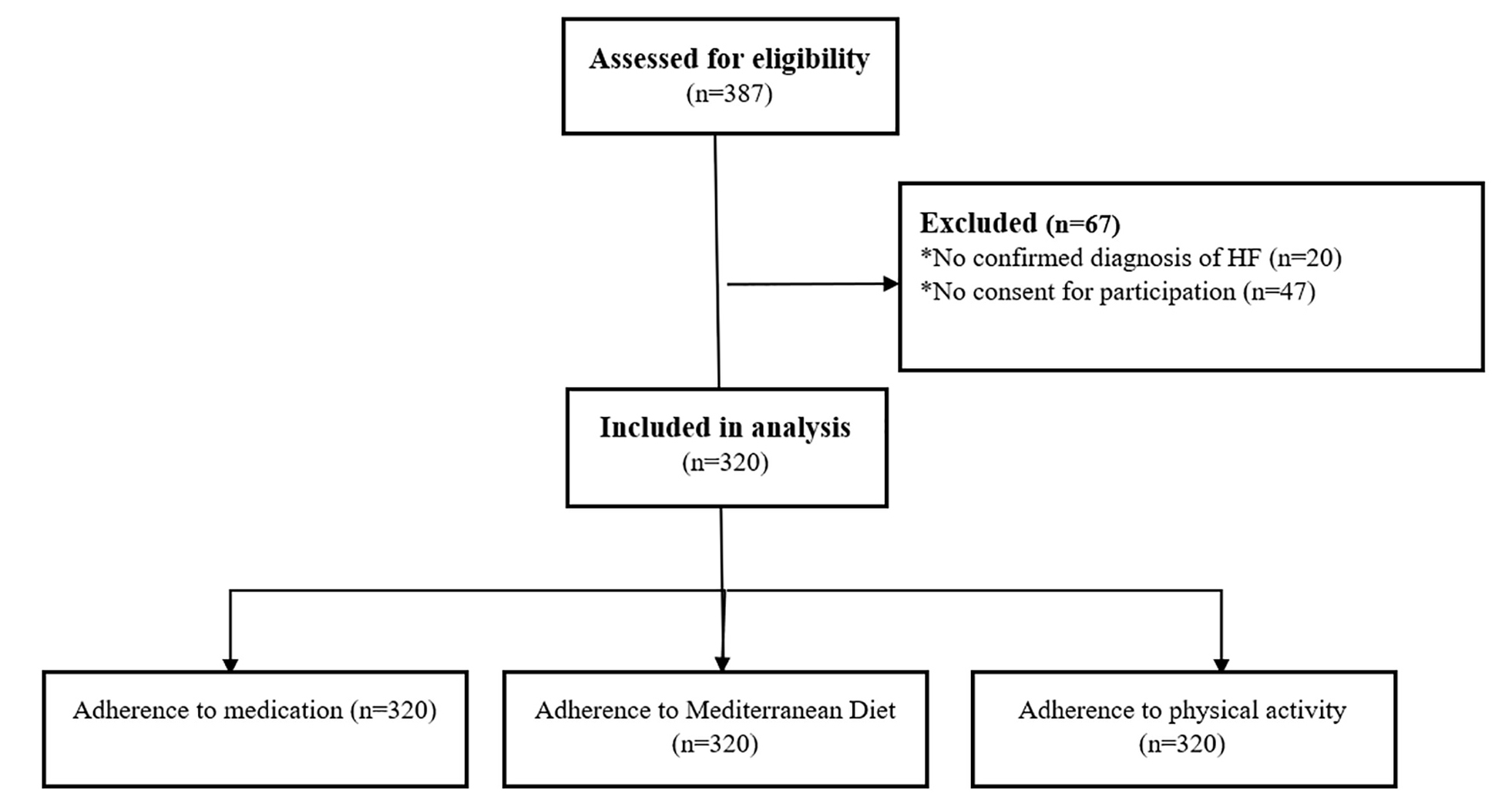
Figure 1. The figure shows the STROBE diagram of the study.
Medication Adherence
Table 1 shows the sociodemographic and baseline characteristics of the participants and their relationships with medication adherence. Older age, being divorced or widowed, tobacco smoking, and alcohol consumption were associated with lower medication adherence (P=0.003, P≤0.001, P≤0.001, P=0.03, respectively).
| Variables | Medication adherence (320) | Mediterranean diet adherence (320) | Physical activity adherence (320) | ||||||||||
|---|---|---|---|---|---|---|---|---|---|---|---|---|---|
| Low (97) | Moderate (110) | High (113) | P value | Low (88) | Moderate (209) | High (23) | P value | Low (224) | Moderate (70) | High (26) | P value | ||
| Age | 40-65 | 41 (23.4) | 60 (34.3) | 74 (42.3) | 0.003 | 45 (25.7) | 117 (66.9) | 13 (7.4) | 0.73 | 102 (58.3) | 50 (28.6) | 23 (13.1) | ≤0.001 |
| ≥65 | 56 (38.6) | 50 (34.5) | 39 (26.9) | 43 (29.7) | 92 (63.4) | 10 (6.9) | 122 (84.1) | 20 (13.8) | 3 (2.1) | ||||
| Sex | Male | 63 (31.8) | 61 (30.8) | 74 (37.4) | 0.23 | 52 (26.3) | 113 (67.2) | 13 (6.6) | 0.65 | 130 (65.7) | 45 (22.7) | 23 (11.6) | 0.009 |
| Female | 34 (27.9) | 49 (40.2) | 39 (32.0) | 36 (29.5) | 74 (62.3) | 10 (8.2) | 94 (77.0) | 25 (20.5) | 3 (2.5) | ||||
| Marital status | Single | 6 (31.6) | 4 (21.1) | 9 (47.4) | ≤0.001 | 2 (10.5) | 14 (73.7) | 3 (15.8) | 0.17 | 10 (52.6) | 6 (31.6) | 3 (15.8) | 0.03 |
| Married | 59 (24.4) | 91 (37.6) | 92 (38.0) | 65 (26.9) | 160 (66.1) | 17 (7.0) | 164 (67.8) | 56 (23.1) | 22 (9.1) | ||||
| Divorced/ widowed | 32 (54.2) | 15 (25.4) | 12 (20.3) | 21 (35.6) | 35 (59.3) | 3 (5.1) | 50 (84.7) | 8 (13.6) | 1 (1.7) | ||||
| Socioeconomic status | Low | 48 (37.2) | 39 (30.2) | 42 (32.6) | 0.10 | 40 (31.0) | 80 (62.0) | 9 (7.0) | 0.48 | 100 (77.5) | 23 (17.8) | 6 (4.7) | 0.04 |
| Moderate | 41 (23.8) | 66 (38.4) | 65 (37.8) | 44 (25.6) | 114 (66.3) | 14 (8.1) | 113 (65.7) | 43 (25.0) | 16 (9.3) | ||||
| High | 8 (42.1) | 5 (26.3) | 6 (31.6) | 4 (21.1) | 15 (78.9) | 0 (0.0) | 11 (57.9) | 4 (21.1) | 4 (21.1) | ||||
| Educational level | Primary or less | 56 (31.6) | 56 (31.6) | 65 (36.7) | 0.33 | 53 (29.9) | 110 (62.1) | 14 (7.9) | 0.57 | 139 (78.5) | 26 (14.7) | 12 (6.8) | ≤0.001 |
| Elementary and high | 37 (31.9) | 41 (35.3) | 38 (32.8) | 29 (25.0) | 81 (69.8) | 6 (5.2) | 75 (64.7) | 31 (26.7) | 10 (8.6) | ||||
| Academic | 4 (14.8) | 13 (48.1) | 10 (37.0) | 6 (22.2) | 18 (66.7) | 3 (11.1) | 10 (37.0) | 13 (48.1) | 4 (14.8) | ||||
| Body mass index | Underweight | 0 (0.0) | 4 (50.0) | 4 (50.0) | 0.26 | 2 (25.0) | 5 (62.5) | 1 (12.5) | 0.19 | 7 (87.5) | 1 (12.5) | 0 (0.0) | 0.1 |
| Normal | 53 (34.0) | 48 (30.8) | 55 (35.3) | 33 (21.2) | 113 (72.4) | 10 (6.4) | 106 (67.9) | 34 (21.8) | 16 (10.3) | ||||
| Overweight | 32 (26.9) | 42 (35.3) | 45 (37.8) | 38 (31.9) | 72 (60.5) | 9 (7.6) | 78 (65.5) | 32 (26.9) | 9 (7.6) | ||||
| Obese/Extremely obese | 12 (32.4) | 16 (43.2) | 9 (24.3) | 15 (40.5) | 19 (51.4) | 3 (8.1) | 33 (89.2) | 3 (8.1) | 1 (2.7) | ||||
| Tobacco smoking | Yes | 36 (48.6) | 18 (24.3) | 20 (27.0) | ≤0.001 | 19 (25.7) | 53 (71.6) | 2 (2.7) | 0.18 | 48 (64.9) | 15 (20.3) | 11 (14.9) | 0.05 |
| No | 61 (24.8) | 92 (37.4) | 93 (37.8) | 69 (28.0) | 156 (63.4) | 21 (8.5) | 176 (71.5) | 55 (22.4) | 15 (6.1) | ||||
| Alcohol | Yes | 9 (60.0) | 3 (20.0) | 3 (20.0) | 0.03 | 5 (33.3) | 10 (66.7) | 0 (0.0) | 0.51 | 9 (60.0) | 5 (33.3) | 1 (6.7) | 0.54 |
| No | 88 (28.9) | 107 (35.1) | 110 (36.1) | 83 (27.2) | 199 (65.2) | 23 (7.5) | 215 (70.5) | 65 (21.3) | 25 (8.2) | ||||
| Having insurance | Yes | 87 (30.0) | 102 (35.2) | 101 (34.8) | 0.64 | 82 (28.3) | 190 (65.5) | 18 (6.2) | 0.08 | 200 (69.0) | 65 (22.4) | 25 (8.6) | 0.40 |
| No | 10 (33.3) | 8 (26.7) | 12 (40.0) | 6 (20.0) | 19 (63.3) | 5 (16.7) | 24 (80.0) | 5 (16.7) | 1 (3.3) | ||||
| Data are presented as n (%); P values were obtained from Chi square test; P>0.05 was considered statistically significant. | |||||||||||||
As shown in table 2, lower medication adherence showed statistically significant relationships with a positive history of hypertension, diabetes mellitus, cerebrovascular accident, hyperlipidemia, valvular heart disease, coronary artery bypass graft surgery, the presence of any comorbidity, a higher number of comorbidities, polypharmacy, a longer duration of disease, and a higher number of hospitalizations (P=0.005, P=0.01, P≤0.001, P≤0.001, P=0.03, P≤0.001, P=0.004, P≤0.001, P=0.008, P≤0.001, P=0.03, respectively).
| Variables | Medication adherence (320) | Mediterranean diet adherence (320) | Physical activity adherence (320) | ||||||||||
|---|---|---|---|---|---|---|---|---|---|---|---|---|---|
| Low (97) | Moderate (110) | High (113) | P value | Low (88) | Moderate (209) | High (23) | P value | Low (224) | Moderate (70) | High (26) | P value | ||
| Hypertension | Yes | 75 (36.6) | 65 (31.7) | 65 (31.7) | 0.005 | 50 (24.4) | 141 (68.8) | 14 (6.8) | 0.21 | 154 (75.1) | 42 (20.5) | 9 (4.4) | 0.002 |
| No | 22 (19.1) | 45 (39.1) | 48 (41.7) | 38 (33.0) | 68 (59.1) | 9 (7.8) | 70 (60.9) | 28 (24.3) | 17 (14.8) | ||||
| Diabetes Mellitus | Yes | 40 (42.1) | 29 (30.5) | 26 (27.4) | 0.01 | 32 (33.7) | 57 (60.0) | 6 (6.3) | 0.27 | 79 (83.2) | 11 (11.6) | 5 (5.3) | 0.004 |
| No | 57 (25.3) | 81 (36.0) | 87 (38.7) | 56 (24.9) | 152 (67.6) | 17 (7.6) | 145 (64.4) | 59 (26.2) | 21 (9.3) | ||||
| Cerebrovascular accident | Yes | 17 (70.8) | 2 (8.3) | 5 (20.8) | ≤0.001 | 11 (45.8) | 13 (54.2) | 0 (0.0) | 0.06 | 19 (79.2) | 5 (20.8) | 0 (0.0) | 0.29 |
| No | 80 (27.0) | 108 (36.5) | 108 (36.5) | 77 (26.0) | 196 (66.2) | 23 (7.8) | 205 (69.3) | 65 (22.0) | 26 (8.8) | ||||
| Hyperlipidemia | Yes | 56 (44.1) | 46 (36.2) | 25 (19.7) | ≤0.001 | 37 (29.1) | 85 (66.9) | 5 (3.9) | 0.18 | 98 (77.2) | 21 (16.5) | 8 (6.3) | 0.07 |
| No | 41 (21.2) | 64 (33.2) | 88 (45.6) | 51 (26.4) | 124 (64.2) | 18 (9.3) | 126 (65.3) | 49 (25.4) | 18 (9.3) | ||||
| Valvular heart disease | Yes | 16 (50.0) | 7 (21.9) | 9 (28.1) | 0.03 | 11 (34.4) | 18 (56.3) | 3 (9.4) | 0.52 | 23 (71.9) | 6 (18.8) | 3 (9.4) | 0.88 |
| No | 81 (28.1) | 103 (35.8) | 104 (36.1) | 77 (26.7) | 191 (66.3) | 20 (6.9) | 201 (69.8) | 64 (22.2) | 23 (8.0) | ||||
| Myocardial infarction | Yes | 69 (33.5) | 74 (34.4) | 72 (63.7) | 0.52 | 67 (31.2) | 138 (64.2) | 10 (4.7) | 0.01 | 164 (76.3) | 35 (16.3) | 16 (7.4) | 0.001 |
| No | 28 (26.7) | 36 (34.3) | 41 (39.0) | 21 (20.0) | 71 (67.6) | 13 (12.4) | 60 (57.1) | 35 (33.3) | 10 (9.5) | ||||
| Coronary artery bypass graft surgery | Yes | 36 (56.3) | 15 (23.4) | 13 (20.3) | ≤0.001 | 18 (28.1) | 41 (64.1) | 5 (7.8) | 0.96 | 55 (85.9) | 6 (9.4) | 3 (4.7) | 0.008 |
| No | 61 (23.8) | 95 (37.1) | 100 (39.1) | 70 (27.3) | 168 (65.6) | 18 (7.0) | 169 (66.0) | 64 (25.0) | 23 (9.0) | ||||
| Percutaneous coronary intervention | Yes | 58 (34.3) | 52 (30.8) | 59 (34.9) | 0.19 | 53 (31.4) | 107 (63.3) | 9 (5.3) | 0.14 | 122 (72.2) | 38 (22.5) | 9 (5.3) | 0.15 |
| No | 39 (25.8) | 58 (38.4) | 54 (35.8) | 35 (23.2) | 102 (67.5) | 14 (9.3) | 102 (67.5) | 32 (21.2) | 17 (11.3) | ||||
| Comorbidity | Yes | 89 (33.2) | 94 (35.1) | 85 (31.7) | 0.004 | 77 (28.7) | 173 (64.6) | 18 (6.7) | 0.45 | 192 (71.6) | 61 (22.8) | 15 (5.6) | 0.001 |
| No | 8 (15.4) | 16 (30.8) | 28 (53.8) | 11 (21.2) | 36 (69.2) | 5 (9.6) | 32 (61.5) | 9 (17.3) | 11 (21.2) | ||||
| Number of comorbidities | 2 (1-3) | 1 (1-2) | 2 (1-3) | ≤0.001 | 2 (1-3) | 2 (1-2) | 1 (1-2) | 0.22 | 2 (1-3) | 1 (1-2) | 1 (0-1.25) | P≤0.001 | |
| Polypharmacy | Yes | 68 (49.3) | 39 (28.3) | 31 (22.5) | 0.008 | 32 (23.2) | 99 (71.7) | 7 (5.1) | 0.21 | 108 (78.3) | 17 (12.3) | 13 (9.4) | P≤0.001 |
| No | 23 (28.0) | 31 (37.8) | 28 (34.1) | 21 (25.6) | 52 (63.4) | 9 (11.0) | 40 (48.8) | 32 (39.0) | 10 (12.2) | ||||
| Duration of disease (months) | 60 (24-96) | 24 (12-60) | 36 (12-72) | P≤0.001 | 36 (12-84) | 36 (12-60) | 12 (12-120) | 0.48 | 36 (12-72) | 24 (12-63) | 36 (12-69) | 0.13 | |
| Number of hospitalizations | 2 (1-2) | 2 (1-3) | 1 (1-3) | 0.03 | 2 (1-3) | 2 (1-3) | 1 (1-3) | 0.12 | 2 (1-3) | 1 (1-3) | 1 (1-2) | 0.004 | |
| Data are presented as n (%), median (interquartile range); P values were obtained from the Chi square and the Kruskal-Wallis test; P<0.05 was considered statistically significant. Comorbidity was defined as the presence of one or more chronic diseases (e.g., hypertension, diabetes mellitus, chronic kidney disease, coronary artery disease) in addition to heart failure, based on medical records. | |||||||||||||
Based on table 3, low, moderate, and high adherence to medication were observed in 97 (30.3%), 110 (34.4%), and 113 (35.3%) of participants, respectively. There was a statistically significant difference in LVEF across the low, moderate, and high medication adherence groups (P≤0.001). Participants with lower medication adherence had a lower median LVEF (25% [IQR: 20-32%]).
| Variables | Frequency n (%) | LVEF % | P value | |
|---|---|---|---|---|
| Medication adherence | Low | 97 (30.3) | 25 (20-32) | ≤0.001 |
| Moderate | 110 (34.4) | 30 (24.4-35) | ||
| High | 113 (35.3) | 30 (20-35) | ||
| Mediterranean diet adherence | Low | 88 (27.5) | 30 (20-35) | 0.02 |
| Moderate | 209 (65.3) | 30 (20-35) | ||
| High | 23 (7.2) | 35 (30-35) | ||
| Physical activity adherence | Low | 224 (70) | 30 (20-35) | 0.04 |
| Moderate | 70 (21.9) | 30 (25-35) | ||
| High | 26 (8.1) | 32 (25-35) | ||
| LVEF: Left ventricular ejection fraction; Data are presented as n (%) and median (interquartile range ); P values were obtained from the Kruskal–Wallis test; P<0.05 was considered statistically significant. | ||||
Table 4 presents the results of multivariable analysis. After adjustment, the independent predictors of decreased medication adherence were older age (OR: 0.62, [95% CI: 0.4-0.96]), tobacco smoking (OR: 0.39 [95% CI: 0.23-0.67]), and a higher number of comorbidities (OR:0.6 [95% CI: 0.49-0.73]) were the predictors of decreased medication adherence.
| Variables | Medication adherence | Mediterranean diet adherence | Physical activity adherence | |||||||
|---|---|---|---|---|---|---|---|---|---|---|
| COR (95% CI) | AOR (95% CI) | P value | COR (95% CI) | AOR (95% CI) | P value | COR (95% CI) | AOR (95% CI) | P value | ||
| Age | 40-65 | Ref | Ref | 0.03 | Ref | - | - | Ref | Ref | 0.02 |
| ≥65 | 0.49 (0.33-0.75) | 0.62 (0.4-0.96) | 0.84 (0.53-1.33) | - | 0.25 (0.15-0.43) | 0.45 (0.23-0.89) | ||||
| Sex | Male | Ref | - | - | Ref | - | - | Ref | - | - |
| Female | 0.96 (0.64-1.45) | - | 0.92 (0.58-1.48) | - | 0.53 (0.32-0.88) | - | ||||
| Marital status | Single | Ref | - | - | Ref | - | - | Ref | - | - |
| Married | 0.91 (0.37-2.25) | - | 0.37 (0.13-1.01) | - | 0.53 (0.21-1.29) | - | ||||
| Divorced/widow | 0.29 (0.1-0.79) | - | 0.25 (0.08-0.75) | - | 0.19 (0.06-0.59) | - | ||||
| Socioeconomic status | Low | Ref | - | - | Ref | - | - | Ref | Ref | - |
| Moderate | 1.52 (0.99-2.32) | - | 1.29 (0.80-2.07) | - | 1.81 (1.08-3.03) | 1.63 (0.82-3.23) | 0.15 | |||
| High | 0.86 (0.35-2.16) | - | 1.19 (0.45-3.14) | - | 2.93 (1.08-7.89) | 5.58 (1.6-18.7) | 0.005 | |||
| Educational level | Primary or less | Ref | - | - | Ref | - | - | Ref | - | - |
| Elementary and high | 0.91 (0.59-1.39) | - | 1.12 (0.69-1.81) | - | 1.93 (1.15-3.24) | - | ||||
| Academic | 1.41 (0.68-2.88 | - | 1.53 (0.64-3.64 | - | 4.99 (2.31-10.8) | - | ||||
| Body mass index | 0.98 (0.93-1.03) | - | - | 0.95 (0.89-1.0) | 0.94 (0.88-0.99) | 0.03 | 0.94 (0.88-0.99) | 0.89 (0.82-0.96) | 0.005 | |
| Tobacco smoking | Yes | 0.44 (0.26-0.72) | 0.39 (0.23-0.67) | 0.001 | 0.92 (0.54-1.56) | - | - | 1.49 (0.86-2.58) | - | - |
| No | Ref | Ref | Ref | - | Ref | - | ||||
| Alcohol | Yes | 0.30 (0.11-0.86) | - | - | 0.64 (0.23-1.78) | - | - | 1.46 (0.53-4.06) | - | - |
| No | Ref | - | Ref | - | Ref | - | ||||
| Having insurance | Yes | 0.95 (0.47-1.93) | - | - | 0.49 (0.21-1.12) | - | - | 1.84 (0.73-4.63) | - | - |
| No | Ref | - | Ref | - | Ref | - | ||||
| Hypertension | Yes | 0.54 (0.35-0.82) | - | - | 1.37 (0.85-2.19) | - | - | 0.48 (0.29-0.77) | - | - |
| No | Ref | - | Ref | - | Ref | - | ||||
| Diabetes mellitus | Yes | 0.52 (0.33-0.82) | - | - | 0.68 (0.41-1.11) | - | - | 0.38 (0.21-0.69) | - | - |
| No | Ref | - | Ref | - | Ref | - | ||||
| Cerebrovascular accident | Yes | 0.19 (0.08-0.48) | - | - | 0.39 (0.17-0.87) | 0.33 (0.14-0.76) | 0.01 | 0.55 (0.20-1.51) | - | - |
| No | Ref | - | Ref | Ref | Ref | - | ||||
| Hyperlipidemia | Yes | 0.32 (0.21-0.49) | - | - | 0.76 (0.48-1.21) | - | - | 0.56 (0.34-0.94) | - | - |
| No | Ref | - | Ref | - | Ref | - | ||||
| Valvular heart disease | Yes | 0.48 (0.24-0.98) | - | - | 0.79 (0.37-1.69) | - | - | 0.93 (0.42-2.08) | - | - |
| No | Ref | - | Ref | - | Ref | - | ||||
| Myocardial infarction | Yes | 0.78 (0.51-1.20) | - | - | 0.49 (0.29-0.81) | 0.47 (0.28-0.79) | 0.005 | 0.45 (0.28-0.73) | - | - |
| No | Ref | - | Ref | Ref | Ref | - | ||||
| Coronary artery bypass graft surgery | Yes | 0.28 (0.16-0.49) | - | - | 0.99 (0.56-1.75) | - | - | 0.33 (0.15-0.69) | - | - |
| No | Ref | - | Ref | - | Ref | - | ||||
| Percutaneous coronary intervention | Yes | 0.81 (0.54-1.22) | - | - | 0.64 (0.40-1.01) | - | - | 0.76 (0.47-1.21) | - | - |
| No | Ref | - | Ref | - | Ref | - | ||||
| Comorbidity | Yes | 0.39 (0.22-0.69) | - | - | 1.05 (0.97-1.13) | 0.41 (0.19-0.87) | 0.02 | 0.52 (0.28-0.97) | - | - |
| No | Ref | - | Ref | Ref | Ref | - | ||||
| Number of comorbidities | 0.56 (0.47-0.67) | 0.6 (0.49-0.73) | ≤0.001 | 1.02 (1.00-1.04) | - | - | 0.62 (0.49-0.78) | 0.62 (0.47-0.82) | 0.001 | |
| Polypharmacy | Yes | 0.47 (0.28-0.78) | - | - | 1.02 (0.95-1.09) | - | - | 0.31 (0.18-0.55) | - | - |
| No | Ref | - | Ref | - | Ref | - | ||||
| Duration of disease | 0.99 (0.99-0.99) | - | - | 0.99 (0.99-1.0) | - | - | 0.99 (0.99-1.0) | - | - | |
| Number of hospitalizations | 0.91 (0.82-1.00) | - | - | 0.92 (0.82-1.02) | - | - | 0.86 (0.75-0.98) | - | - | |
| COR: Crude odds ratio; AOR: Adjusted odds ratio; 95%CI: 95% confidence intervals; P values were obtained from ordinal logistic regression; P<0.05 was consideredwas considered statistically significant. Dependent variable=Medication adherence (1=low/ intermediate and high), Mediterranean diet adherence (1=low/intermediate and high), and physical activity (1=poor/moderate and intensive); Comorbidity was defined as the presence of one or more chronic diseases (e.g., hypertension, diabetes mellitus, chronic kidney disease, coronary artery disease) in addition to heart failure, based on medical records. | ||||||||||
MD Adherence
Table 2 shows a statistically significant association between lower adherence to MD and a history of myocardial infarction (P=0.01).
According to table 3, low, moderate, and high adherence to MD were observed in 88 (27.5%), 209 (65.3%), and 23 (7.2%) of the participants, respectively. There was a statistically significant difference in LVEF across the low, moderate, and high MD adherence groups (P=0.02). Participants with higher adherence to the MD had a higher median LVEF (35% [IQR:30-35]).
As shown in table 4, after adjustment, the following factors showed statistically significant associations with a decreased level of MD adherence: higher BMI (OR:0.94 [95% CI:0.88-0.99]), the presence of any comorbidity (OR:0.41 [95% CI:0.19-0.87]), and a positive history of cerebrovascular accident (OR:0.33 [95% CI:0.14-0.76]) or myocardial infarction (OR:0.47 [95% CI:0.28-0.79]).
Physical Activity Adherence
Table 1 shows statistically significant associations between lower levels of physical activity and older age, female sex, being divorced or widowed, lower socioeconomic status, and a lower educational level (P≤0.001, P=0.009, P=0.03, P=0.04, P≤0.001, respectively).
As shown in table 2, a statistically significant association with lower physical activity levels was found for participants with a positive history of hypertension, diabetes mellitus, myocardial infarction, or coronary artery bypass graft surgery, as well as for those with any comorbidity, a higher number of comorbidities, polypharmacy, and higher number of hospitalizations (P=0.002, P=0.004, P=0.001, P=0.008, P=0.001, P≤0.001, P≤0.001, P=0.004, respectively).
Based on table 3, low, moderate, and high adherence to physical activity were observed in 224 (70%), 70 (21.9%), and 26 (8.1%) of participants, respectively. There was a statistically significant difference in LVEF across the low, moderate, and high physical activity adherence groups (P=0.04). Participants with higher physical activity levels had a higher median LVEF (32% IQR:25-35%]).
As shown in table 4, after adjustment, a decreased level of physical activity was associated with older age (OR: 0.45 [95% CI:0.23-0.89]), higher BMI (OR: 0.89 [95% CI:0.82-0.96]), and higher number of comorbidities (OR:0.62 [95% CI: 0.47-0.82]). Conversely, an increased level of physical activity was associated with higher socioeconomic status (OR: 5.58 [95% CI:1.6-18.7]).
Discussion
The present investigation found low levels of medication adherence, the MD, and physical activity in 97 (30.3%), 88 (27.5%), and 224 (70%) of the participants, respectively, which were below acceptable standards. Furthermore, lower adherence was associated with a lower LVEF. Our findings revealed that older age, smoking, and a greater number of comorbidities were independent predictors of decreased medication adherence. Lower MD adherence was associated with a higher BMI, the presence of comorbidities, and a positive history of cerebrovascular accident or myocardial infarction. Decreased physical activity was linked to older age, a higher BMI, a greater number of comorbidities, and lower socioeconomic status.
Medication adherence is essential to prevent undesirable complications of HF. Based on a review of patients with HF, medication nonadherence rates varied widely from 2% to 90%, with most studies reporting rates between 40% and 60%. 26 This wide variety could be attributed to differences in definitions and measurement tools. In the present study, low, moderate, and high adherence to medication were observed in 97 (30.3%), 110 (34.4%), and 113 (35.3%) of the participants, respectively, indicating a substantial level of suboptimal medication adherence. In line with our findings, a recent multicenter study reported a medication nonadherence rate of 17.7% among patients with HF in the eastern African region. 6
Another finding of this study was that higher medication adherence was associated with a higher LVEF, which was consistent with previous reports. 8 , 27 The findings of the present research demonstrated that factors such as advanced age, smoking, and a greater number of comorbidities were predictors of lower medication adherence. These results were in line with the findings of previous studies showing that medication adherence tends to decline with increasing age and comorbid burden. 8 , 26 , 28 The impact of a higher comorbidity count on adherence appeared to be independent of polypharmacy, highlighting the need for multidisciplinary care in these patients. While previous studies did not evaluate the relationship between tobacco smoking and medication adherence in HF, research in other chronic diseases, such as diabetic mellitus was reported lower adherence among smokers. 3
Adherence to the recommended diet is a crucial component of HF self-care. In the present study, low, moderate, and high adherence to the MD were seen in 88 (27.5%), 209 (65.3%), and 23 (7.2%) of the participants, respectively. Previous reports showed that among patients with HF, 40-45% had low adherence to MD, and 50-60% demonstrated moderate-to-high adherence. 11 , 14 , 29 These disparate results might be attributed to regional variations in food availability as well as cultural differences across nations that influence dietary habits, food processing, and preparation. This study also found that higher MD adherence was associated with a higher LVEF. According to the literature, higher adherence to the MD was associated with improved ventricular systolic function, improved NYHA functional class, and reduced rates of rehospitalization and mortality. 10 , 11 , 30 The anti-remodeling, antioxidant, and anti-inflammatory properties of the MD might explain these findings. 11 The present study identified that higher BMI, the presence of comorbidities, and a positive history of cerebrovascular accident and myocardial infarction were predictors of decreased MD adherence. These findings were consistent with the findings of the previous studies showing that MD adherence tends to be lower in individuals with a higher BMI, having comorbidities such as diabetes and hypertension, or a history of myocardial infarction (MI) or stroke. 14 , 31
Physical activity is an essential component not only of HF development but also of its management and prognosis. According to the European Society of Cardiology HF guidelines, patients with HF are recommended to undertake appropriately designed exercise training. 32 A recent systematic review and meta-analysis concluded that patients with HF were typically insufficiently active, 33 which was consistent with the findings of the present study. In the present study, low, moderate, and high adherence to physical activity were seen in 224 (70%), 70 (21.9%), and 26 (8.1%) of the participants, respectively, indicating a suboptimal level of activity. Another finding was that individuals with higher physical activity levels exhibited a higher LVEF. This suggests a bidirectional relationship where reduced physical activity may both stem from and contribute to a lower LVEF. Previous findings showed the positive effect of physical activity on HF severity by improving LVEF and quality of life while reducing hospitalization and mortality. 17 , 34 This study also revealed that a lower level of physical activity was associated with advanced age, lower socioeconomic status, higher BMI, and an increased number of comorbidities. These findings aligned with previous studies that have identified older age, lower socioeconomic status, higher BMI, and the presence of comorbidities as factors associated with decreased physical activity adherence. 33 , 34
Assessing medication adherence, the MD, and physical activity within a single study offers a comprehensive perspective on patients’ knowledge and self-care support in HF, as recommended by the American Heart Association (AHA). 35 Furthermore, conducting regional evaluations of these factors can inform national health systems, enabling the development of policies tailored to the current status of self-care and adherence among patients. This underscores the importance of conducting the present study in addressing these critical aspects and providing evidence-based insights to improve patient outcomes and inform healthcare strategies.
Despite its valuable findings, this study had several limitations. First, all variables in our dataset had complete or nearly complete data, except for polypharmacy, which had approximately 30% missing data. As discussed in the method section, it was consequently excluded from the multivariable analyses. Second, while all patients diagnosed with HF are routinely advised to limit their consumption of fat and red meat at the time of diagnosis, the MD is not widely recognized in the population where this study was conducted. Nevertheless, patients’ awareness of the diet might still have influenced their reported adherence. Finally, the cross-sectional design of the study precluded the establishment of temporality or causal inference.
Conclusion
The present study demonstrated unsatisfactory levels of adherence to medication, the MD diet, and physical activity among patients with HF, which highlighted their association with poorer cardiac function. A key finding was that the presence of comorbidities is a common risk factor for poor adherence to all three components of care. These findings emphasized the necessity of an interdisciplinary approach to HF management, which is essential for improving patient outcomes and overall health.
Acknowledgment
This article was extracted from the MPH thesis of Maryam Afshari. The authors would like to thank all participants for their cooperation in this study.
Authors’ Contribution
MH.Sh: Conceptualization, study design, data gathering, data analysis, and reviewing the manuscript; M.A: Conceptualization, study design, data gathering, data analysis, and drafting the manuscript; H.MV: Conceptualization, study design, data gathering, data analysis, and reviewing the manuscript; A.N: Conceptualization, study design, data gathering, data analysis, and reviewing the manuscript; All authors approved the submission of the manuscript and agree to be accountable for all aspects of the work in ensuring that questions related to the accuracy or integrity of any part of the work are appropriately investigated and resolved.
Declaration of AI
The authors declare that no AI tools were used in the preparation of this manuscript.
Conflict of Interest
None declared.
References
- Groenewegen A, Rutten FH, Mosterd A, Hoes AW. Epidemiology of heart failure. Eur J Heart Fail. 2020; 22:1342-56. Publisher Full Text | DOI | PubMed [ PMC Free Article ]
- James SL, Abate D, Abate KH, Abay SM, Abbafati C, Abbasi N, et al. Global, regional, and national incidence, prevalence, and years lived with disability for 354 diseases and injuries for 195 countries and territories, 1990-2017: a systematic analysis for the Global Burden of Disease Study 2017. Lancet. 2018; 392:1789-858. Publisher Full Text | DOI | PubMed [ PMC Free Article ]
- Mirahmadizadeh A, Khorshidsavar H, Seif M, Sharifi MH. Adherence to Medication, Diet and Physical Activity and the Associated Factors Amongst Patients with Type 2 Diabetes. Diabetes Ther. 2020; 11:479-94. Publisher Full Text | DOI | PubMed [ PMC Free Article ]
- Metra M, Teerlink JR. Heart failure. Lancet. 2017; 390:1981-95. DOI | PubMed
- Ruppar TM, Cooper PS, Mehr DR, Delgado JM, Dunbar-Jacob JM. Medication Adherence Interventions Improve Heart Failure Mortality and Readmission Rates: Systematic Review and Meta-Analysis of Controlled Trials. J Am Heart Assoc. 2016; 5Publisher Full Text | DOI | PubMed [ PMC Free Article ]
- Jarab AS, Al-Qerem WA, Hamam HW, Alzoubi KH, Abu Heshmeh SR, Mukattash TL, et al. Medication Adherence and Its Associated Factors Among Outpatients with Heart Failure. Patient Prefer Adherence. 2023; 17:1209-20. Publisher Full Text | DOI | PubMed [ PMC Free Article ]
- Yeong L J, Ogston SA, Hall C, Heather D, Elder DH, Choy AM, et al. 009 Adherence to Heart Failure Therapy and Outcome: A Population Based Study. Heart. 2013; 99:A12-A. DOI
- Amininasab SS, Lolaty HA, Moosazadeh M, Shafipour V. Medication adherence and its predictors among patients with heart failure. Nursing and Midwifery Studies. 2018; 7:81-6. DOI
- Martínez-González MA, Gea A, Ruiz-Canela M. The Mediterranean Diet and Cardiovascular Health. Circ Res. 2019; 124:779-98. DOI | PubMed
- Miró Ò, Estruch R, Martín-Sánchez FJ, Gil V, Jacob J, Herrero-Puente P, et al. Adherence to Mediterranean Diet and All-Cause Mortality After an Episode of Acute Heart Failure: Results of the MEDIT-AHF Study. JACC Heart Fail. 2018; 6:52-62. DOI | PubMed
- Tuttolomondo A, Di Raimondo D, Casuccio A, Velardo M, Salamone G, Cataldi M, et al. Mediterranean diet adherence and congestive heart failure: Relationship with clinical severity and ischemic pathogenesis. Nutrition. 2020; 70:110584. DOI | PubMed
- Tektonidis TG, Åkesson A, Gigante B, Wolk A, Larsson SC. Adherence to a Mediterranean diet is associated with reduced risk of heart failure in men. Eur J Heart Fail. 2016; 18:253-9. DOI | PubMed
- Bagheri M, Nouri M, Homayounfar R, Akhlaghi M. Association between adherence to the Mediterranean diet with cardiometabolic risk factors: a cross-sectional study on PERSIAN cohort study in Fasa. Sci Rep. 2023; 13:14870. Publisher Full Text | DOI | PubMed [ PMC Free Article ]
- Hu EA, Toledo E, Diez-Espino J, Estruch R, Corella D, Salas-Salvado J, et al. Lifestyles and risk factors associated with adherence to the Mediterranean diet: a baseline assessment of the PREDIMED trial. PLoS One. 2013; 8:e60166. Publisher Full Text | DOI | PubMed [ PMC Free Article ]
- LaMonte MJ, Eaton CB. Physical Activity in the Treatment and Prevention of Heart Failure: An Update. Curr Sports Med Rep. 2021; 20:410-7. Publisher Full Text | DOI | PubMed [ PMC Free Article ]
- Opasich C, Meyers J. Working Group Report. European Heart Journal. 2001; 22:125-35.
- Zores F, Iliou MC, Gellen B, Kubas S, Berthelot E, Guillo P, et al. Physical activity for patients with heart failure: Position paper from the heart failure (GICC) and cardiac rehabilitation (GERS-P) Working Groups of the French Society of Cardiology. Arch Cardiovasc Dis. 2019; 112:723-31. DOI | PubMed
- Pandey A, Patel KV, Vaduganathan M, Sarma S, Haykowsky MJ, Berry JD, et al. Physical Activity, Fitness, and Obesity in Heart Failure With Preserved Ejection Fraction. JACC Heart Fail. 2018; 6:975-82. DOI | PubMed
- Klompstra L, Jaarsma T, Strömberg A. Physical activity in patients with heart failure: barriers and motivations with special focus on sex differences. Patient Prefer Adherence. 2015; 9:1603-10. Publisher Full Text | DOI | PubMed [ PMC Free Article ]
- World Medical Association Declaration of Helsinki: ethical principles for medical research involving human subjects. Jama. 2013; 310:2191-4. DOI | PubMed
- Negarandeh R, Mahmoodi H, Noktehdan H, Heshmat R, Shakibazadeh E. Teach back and pictorial image educational strategies on knowledge about diabetes and medication/dietary adherence among low health literate patients with type 2 diabetes. Prim Care Diabetes. 2013; 7:111-8. DOI | PubMed
- Sikaroudi MK, Aghdam AK, Ebrahimi Z, Ramim T, Talebi A, Tabaeian SP, et al. Reliability and validity of the 14-item Mediterranean diet adherence screener among the healthy Iranian population. Govaresh. 2022; 27:39-44. Persian
- Bakhtari Aghdam F, Baghiani Moghaddam MH, Asghari Jafarabadi M, Allahverdipour H, Dabagh Nikookheslat S, Noorizadeh R. Explaining the role of personal, social and physical environment factors on employed women’s physical activity: a structural equation analysis. Glob J Health Sci. 2013; 5:189-99. Publisher Full Text | DOI | PubMed [ PMC Free Article ]
- Vasheghani-Farahani A, Tahmasbi M, Asheri H, Ashraf H, Nedjat S, Kordi R. The Persian, last 7-day, long form of the International Physical Activity Questionnaire: translation and validation study. Asian J Sports Med. 2011; 2:106-16. Publisher Full Text | DOI | PubMed [ PMC Free Article ]
- Masnoon N, Shakib S, Kalisch-Ellett L, Caughey GE. What is polypharmacy? A systematic review of definitions. BMC Geriatr. 2017; 17:230. Publisher Full Text | DOI | PubMed [ PMC Free Article ]
- Wu JR, Moser DK, Lennie TA, Burkhart PV. Medication adherence in patients who have heart failure: a review of the literature. Nurs Clin North Am. 2008; 43:133-53. DOI | PubMed
- Larina V, Zamyatin K, Gudiev CG. Medication adherence in patients with heart failure: a pilot observational study in outpatient practice. Russian Journal of Cardiology. 2024; 29:6180. DOI
- Forsyth P, Richardson J, Lowrie R. Patient-reported barriers to medication adherence in heart failure in Scotland. Int J Pharm Pract. 2019; 27:443-50. DOI | PubMed
- Bayerle P, Beyer S, Tegtbur U, Kück M, Adel J, Kwast S, et al. Exercise Capacity, Iron Status, Body Composition, and Mediterranean Diet in Patients with Chronic Heart Failure. Nutrients. 2022; 15Publisher Full Text | DOI | PubMed [ PMC Free Article ]
- Dos Reis Padilha G, Sanches Machado d’Almeida K, Ronchi Spillere S, Corrêa Souza G. Dietary Patterns in Secondary Prevention of Heart Failure: A Systematic Review. Nutrients. 2018; 10Publisher Full Text | DOI | PubMed [ PMC Free Article ]
- Tektonidis TG, Åkesson A, Gigante B, Wolk A, Larsson SC. A Mediterranean diet and risk of myocardial infarction, heart failure and stroke: A population-based cohort study. Atherosclerosis. 2015; 243:93-8. DOI | PubMed
- Ponikowski P, Voors AA, Anker SD, Bueno H, Cleland JG, Coats AJ, et al. 2016 ESC Guidelines for the diagnosis and treatment of acute and chronic heart failure. Kardiol Pol. 2016; 74:1037-147. DOI | PubMed
- Jordan C, Charman SJ, Batterham AM, Flynn D, Houghton D, Errington L, et al. Habitual physical activity levels of adults with heart failure: systematic review and meta-analysis. Heart. 2023; 109:1357-62. Publisher Full Text | DOI | PubMed [ PMC Free Article ]
- Cattadori G, Segurini C, Picozzi A, Padeletti L, Anzà C. Exercise and heart failure: an update. ESC Heart Fail. 2018; 5:222-32. Publisher Full Text | DOI | PubMed [ PMC Free Article ]
- Heidenreich PA, Bozkurt B, Aguilar D, Allen LA, Byun JJ, Colvin MM, et al. 2022 AHA/ACC/HFSA Guideline for the Management of Heart Failure: A Report of the American College of Cardiology/American Heart Association Joint Committee on Clinical Practice Guidelines. Circulation. 2022; 145:e895-e1032. DOI | PubMed

