
What’s Known
There is no approved treatment for prolonged neonatal jaundice (more than 14 days), despite parental concern. Ursodeoxycholic acid has shown promising results in recent studies on neonatal jaundice (less than 14 days) when used as an adjunct to phototherapy. However, its effect has not been studied in prolonged jaundice (except for one study).
What’s New
The results of the present study showed that a 5-day administration of ursodeoxycholic acid did not have a significant effect on reducing serum bilirubin levels in infants with prolonged indirect hyperbilirubinemia compared to those infants under observation.
Introduction
The main cause of neonatal jaundice is increased turnover of red blood cells and the neonatal liver’s inability to conjugate bilirubin. 1 Prolonged indirect hyperbilirubinemia (PIH) is defined as total bilirubin exceeding 10 mg/dL for more than 14 days in term infants and more than 21 days in preterm infants, provided that direct bilirubin is less than 1 mg/dL. 2
PIH occurs in 2-15% of neonates and up to 40% of breast-fed infants. 3 Although PIH is non-pathological in the majority of cases, underlying pathological causes should also be considered. 2 The Underlying causes of PIH include breast milk jaundice, blood group (BG) and Rh incompatibility, glucose-6-phosphate dehydrogenase deficiency (G6PDD), congenital hypothyroidism, Gilbert syndrome, adrenal hemorrhage and hematoma, urinary tract infection (UTI), Crigler-Najjar syndrome, inborn errors of metabolism, and hypertrophic pyloric stenosis (HPS). 3
Breast milk jaundice typically presents after the first week of birth and resolves spontaneously, even without discontinuation of breastfeeding. However, it may persist for 8-12 weeks before resolution. It is the most common and usually benign cause of PIH. Nonetheless, it is essential to rule out other pathological causes that require immediate intervention. 4 - 6 Although it is often mild and does not necessitate treatment, frequent monitoring of these infants is necessary. PIH can cause concern among parents and lead to a desire for intervention to accelerate the process of bilirubin reduction, resulting in frequent follow-ups.
Currently, no standard medication is recommended for PIH. The American Academy of Pediatrics (AAP) recommends continuing breastfeeding with the temporary addition of formula. 6 Frequent clinical follow-up is recommended until bilirubin levels return to normal. 6 Ursodeoxycholic acid (UDCA) is a hydrophilic bile acid that is synthesized by intestinal bacterial enzymes from the primary bile acid chenodeoxycholic acid. It significantly reduces the secretion of cholesterol into the bile. 7 UDCA facilitates bile flow and reduces the absorption of bile acids from the intestine. It protects the liver from oxidative stress and inhibits the apoptosis-inducing effect of indirect bilirubin on hepatocytes and neurons. 7 , 8
UDCA is commonly used in neonates with cholestasis and is well tolerated in infants, with few side effects. The most common side effects include nausea, vomiting, diarrhea, constipation, nasal congestion, abdominal pain, dyspepsia, and occasionally pruritus. The drug is metabolized by intestinal bacteria into insoluble compounds, which are excreted in the feces. 8 Recently, several studies have investigated the use of UDCA as an adjunctive treatment alongside phototherapy to accelerate bilirubin reduction and shorten hospitalization duration. Most studies indicated the effectiveness of UDCA on bilirubin reduction compared to phototherapy alone, without significant side effects. 9 - 17 However, one study did not yield satisfactory results. 18
Although UDCA has been investigated as an adjunct to phototherapy, its positive effects on PIH remain underexplored. Given the limited evidence regarding the therapeutic effect of UDCA in PIH and the presence of only one clinical trial that showed beneficial effects of this drug in cases with PIH, 3 this study aimed to investigate the impact of UDCA on PIH in term and preterm infants.
Materials and Methods
The present study was a non-blinded clinical trial conducted on term and preterm infants with PIH who were referred to the outpatient clinic of 17 Shahrivar Hospital in Rasht, Iran, from July 2023 to July 2024. Written informed consent was obtained from their parents or guardians. Ethical approval was granted by the Research Ethics Committee of Guilan University of Medical Sciences (code: IR.GUMS.REC.1402.110). The study was registered with the Iranian Registry of Clinical Trials (IRCT 2018.228.38895N2).
The sample size was calculated to detect a significant difference in bilirubin reduction between the UDCA and control groups based on the study by Shahramian and others. 12 Using 80% power and a 95% confidence level, 29 neonates per group were required (total n=58).
1-β=80%, 1-α=95%, Z1-β=Z0.80=1.28, Z1-α/2=Z 0.97=1.96
Mean±SD (difference): phototherapy group, 7.18±2.61; phototherapy+UDCA group, 8.08±1.54
All term infants older than 14 days and preterm infants older than 21 days, with total serum bilirubin (TSB) ≥10 mg/dL and direct bilirubin <1mg/dL, were included in the study.
Exclusion criteria included conjugated hyperbilirubinemia (direct bilirubin≥ 1 mg/dL), abnormalities in thyroid-stimulating hormone (TSH) and free thyroxine (T4), or clinical evidence of hypothyroidism, clinical evidence of infection; proven laboratory UTI, presence of cephalic hematoma, organomegaly, positive reducing substance in urine analysis (suggestive of galactosemia); abnormal liver function tests; use of phenobarbital or any chemical or herbal agent (e.g., Bilineaster) to reducing bilirubin, suspected intestinal obstruction; critically ill infants (fever, decreased neonatal reflexes, hypo- or hyperthermia, unstable vital signs); any phototherapy at home during the study; high TSB requiring phototherapy; and parental refusal to participate.
After obtaining written informed consent from parents or guardians, 58 newborns were enrolled in the study using sequential sampling. They were randomly assigned to two groups—intervention and control—each consisting of 29 neonates. The randomization process was conducted under the supervision of the project manager and with direct supervision of the statistician and the supervisor. Infants who met the inclusion criteria were included based on daily visits using consecutive sampling. The four-block randomization method was used, with a block size of four. Given the total sample size of 58, 14 complete blocks of four and one double block were used. After assigning participants to blocks, those labeled “A” received the intervention drug, while those labeled “B” were assigned to the control group.
All newborns underwent a complete physical examination and were excluded if any of the following were observed: organomegaly, neonatal cataract, dysmorphism, cephalic hematoma, abdominal mass, umbilical hernia, wide fontanel, hypotonia, or other significant abnormalities.
For infants with normal examination findings, baseline investigations were performed prior to any intervention, including complete blood count (CBC), glucose-6-phosphate dehydrogenase (G6PDD) deficiency screening, blood group (ABO and Rh), blood glucose (BG, maternal and neonatal), urine analysis and culture (UA and UC), TSH, T4, aspartate aminotransferase (AST), alanine aminotransferase (ALT), and urine reducing substances along with total and direct serum bilirubin. In cases of vomiting or abdominal mass, an abdominal ultrasound was requested to rule out hypertrophic pyloric stenosis or abdominal hematoma. If TSB levels were within the range of phototherapy according to the AAP guidelines, the infant was hospitalized and excluded from the study. 19
The intervention group was prescribed 10 mg/Kg/day of the contents of UDCA capsule (300 mg; Exir Co., Iran), dissolved in lukewarm boiled water, administered in two divided doses. Due to the lack of an oral formulation, mothers were instructed to dissolve the contents of each capsule in 30 mL of water, resulting in a solution containing 10 mg/mL. Then, 0.5 mL/Kg was administered to the infant every 12 hours. Mothers were asked to repeat the preparation method to confirm understanding. If there was any doubt regarding the mother’s ability to comply with or understand the instructions, the infant was excluded from the study. The control group received no medication. Temporary cessation of breastfeeding was not recommended due to the presence of exclusively formula-fed infants and parental refusal to discontinue breastfeeding, which could have confounded the results.
Blood samples for total serum bilirubin were collected on the first day before drug administration and on the fifth day, and sent to a laboratory for analysis (BT 3500 device, Italy).
The following variables were recorded on the data collection form: age, sex, gestational age (GA), birth weight, TSB on the first and fifth day of visit, type of nutrition (breast milk/formula/or mixed), ABO and Rh incompatibility, G6PD enzyme activity, and any possible drug adverse effects.
The primary outcome was to compare total serum bilirubin levels after 5 days between the two study groups. The secondary outcome was to evaluate the side effects of UDCA.
Statistical Analysis
After data collection, the information was entered into SPSS software (IBM SPSS Statistics for Windows, version 26.0, Armonk, NY, IBM). Quantitative data (serum bilirubin levels) were described using mean, minimum, and maximum values, along with standard deviations (SD). Frequency and percentage were used to describe categorical variables and complications. An independent sample t test was used to compare bilirubin levels on day 5 with baseline values and to assess changes between groups at similar time points (if assumptions of normality and homogeneity of variance were met; otherwise, the Mann-Whitney U test was used). A paired t test was applied to assess within-group changes (baseline vs. day 5). The Chi square test or Fisher’s exact test was used for categorical variables. The Bonferroni correction test was also applied to adjust for multiple comparisons when analyzing changes over time within groups.
Multiple linear regression modeling was performed to identify predictors of bilirubin reduction after adjusting for baseline and individual variables. Additionally, multiple linear regression was employed to assess the effect of the UDCA on bilirubin reduction while controlling for potential confounders (e.g., gestational age, sex, infant age, weight, Rh incompatibility, ABO incompatibility, and G6PDD deficiency). To compare the incidence of complications between groups, the Chi square test or Fisher’s exact test was used. P<0.05 was considered statistically significant.
Results
In this clinical trial, 58 newborns, equally distributed between the intervention and control groups, were included in the analysis (figure 1). Table 1 presents the individual and baseline characteristics of the two study groups.
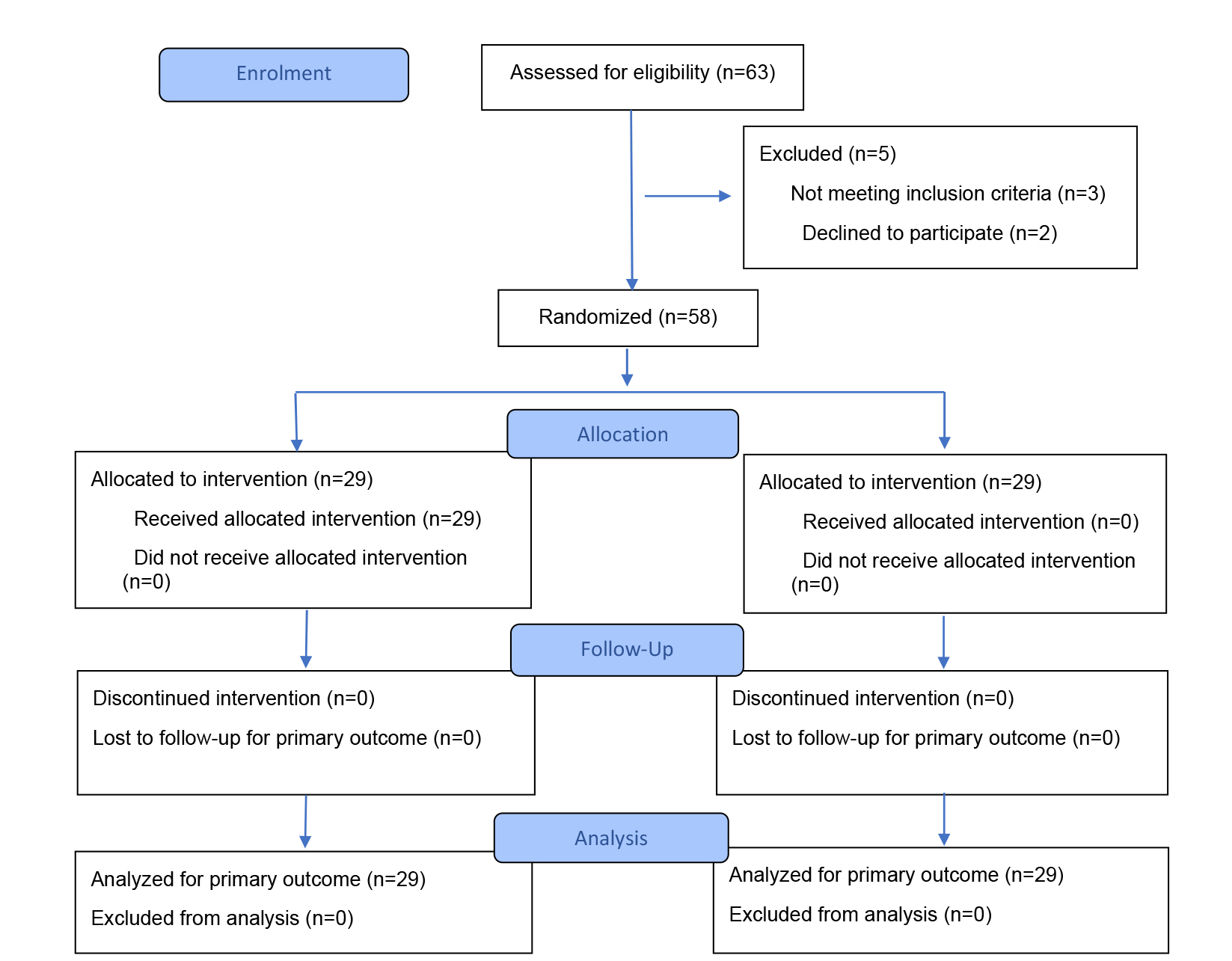
Figure 1. The diagram illustrates the participant flow through the phases of enrollment, intervention allocation, follow-up, and data analysis in a two-group randomized trial.
| Variable | Study groups | ||||
|---|---|---|---|---|---|
| Control n (%) | Drug n (%) | Total n (%) | P value | ||
| Sex | Male | 13 (44.8) | 19 (65.5) | 32 (55.2) | 0.113* |
| Female | 16 (55.2) | 10 (34.5) | 26 (44.8) | ||
| Age (day) | mean±SD | 23.69±9.27 | 25.03±9.27 | 24.36±9.21 | 0.583** |
| min-max | 14.00-48.00 | 14.00-53.00 | 14.00-53.00 | ||
| GA (week) | mean±SD | 37.59±1.84 | 37.55±1.74 | 37.57±1.78 | 0.942** |
| min-max | 31.00-39.00 | 34.00-40.00 | 31.00-40.00 | ||
| GA Status | Term | 24 (82.7) | 22 (75.8) | 46 (75.8) | 0.621* |
| Preterm | 5 (17.2) | 7 (24.1) | 12 (24.1) | ||
| Bilirubin (mg/dL) (visit day) | mean±SD | 12.6±1.65 | 11.96±1.48 | 12.11±1.56 | 0.469** |
| min-max | 10.10 (14.90) | 10.20 (14.8) | 10.10 (14.90) | ||
| Feeding | Breast milk | 9 (31.0) | 14 (48.3) | 23 (39.7) | 0.141*** |
| Formula | 3 (10.3) | 4 (13.8) | 7 (12.1) | ||
| Mix | 17 (58.6) | 11 (37.9) | 28 (48.3) | ||
| G6PDD | Yes | 3 (10.3) | 3 (10.3) | 6 (10.3) | 0.99*** |
| No | 26 (89.7) | 26 (89.7) | 52 (89.7) | ||
| Maternal RH | Negative | 1 (3.4) | 6 (20.7) | 7 (12.1) | 0.051*** |
| Positive | 28 (96.6) | 23 (79.3) | 51 (87.9) | ||
| Maternal blood group | A | 7 (24.1) | 7 (24.1) | 14 (24.1) | 0.5*** |
| B | 4(23.8) | 5 (17.2) | 9 (15.5) | ||
| O | 17 (58.6) | 17 (58.6) | 34 (58.6) | ||
| AB | 1 (3.4) | 0 (0.0) | 1 (1.7) | ||
| Neonatal RH | Negative | 1 (3.4) | 4 (13.8) | 5 (8.6) | 0.176*** |
| Positive | 28 (96.6) | 25 (86.2) | 53 (91.4) | ||
| Neonatal blood group | A | 5 (17.2) | 9 (31.0) | 14 (24.1) | 0.2*** |
| B | 5 (17.2) | 5 (17.2) | 10 (17.2) | ||
| O | 17 (58.6) | 15 (51.7) | 32 (55.2) | ||
| AB | 2 (6.9) | 0 (0.0) | 2 (3.4) | ||
| GA: Gestational age; G6PDD: Glucose 6 phosphate dehydrogenase deficiency; SD: Standard deviation; ABO: ABO blood group systems; RH: Rhesus blood group; P<0.05 was considered statistically significant. *Chi square test; **Independent t test; ***Fisher’s exact test | |||||
The difference in birth weight between the two groups was not statistically significant (3834.48±677.720 vs. 3899.483±853.445; P=0.749).
Based on Kolmogorov-Smirnov tests and Shapiro-Wilk tests, bilirubin reduction from day 1 to day 5 followed a normal distribution (P>0.05). Therefore, parametric methods were used for data analysis.
There was no statistically significant difference between the two groups regarding Rh incompatibility (P=0.21). Similarly, the frequency of ABO incompatibility (P=0.570) and drug-related complications (P=0.5) did not differ significantly between the two groups (table 2).
| Variable | Study groups | ||||
|---|---|---|---|---|---|
| Control n (%) | Drug n (%) | Total n (%) | P value | ||
| RH Incompatibility | Yes | 2 (6.9) | 5 (17.2) | 7 (12.1) | 0.21* |
| No | 27 (93.1) | 24 (82.8) | 51 (87.9) | ||
| ABO Incompatibility | Yes | 10 (34.5) | 8 (27.6) | 18 (31.0) | 0.57* |
| No | 19 (65.5) | 21 (72.4) | 40 (69.0) | ||
| Adverse drug reaction | Nothing | 29 (100.0) | 28 (96.6) | 57 (98.3) | 0.50** |
| Vomiting | 0 (0.0) | 0 (0.0) | 0 (0.0) | ||
| Constipation | 0 (0.0) | 0 (0.0) | 0 (0.0) | ||
| Nausea | 0 (0.0) | 0 (0.0) | 0 (0.0) | ||
| Nasal congestion | 0 (0.0) | 0 (0.0) | 0 (0.0) | ||
| Bloating | 0 (0.0) | 0 (0.0) | 0 (0.0) | ||
| Irritability | 0 (0.0) | 1 (3.4) | 1 (1.72) | ||
| ABO: ABO blood group systems; RH: Rhesus blood group; *Chi square test; **Fisher’s Exact test; P<0.05 was considered statistically significant. | |||||
The decrease in serum bilirubin levels from day 1 to day 5 was significant within both the intervention and control groups (P<0.001). A slight increase in serum bilirubin was observed after 5 days in a few cases in both groups (two cases each in the control and intervention groups). However, the difference in bilirubin reduction between the two groups was not statistically significant (P=0.323). Although the drug group showed a higher frequency of bilirubin reduction (24.68% vs. 17.62%), this difference was not statistically significant (P=0.249; figure 2, table 3).
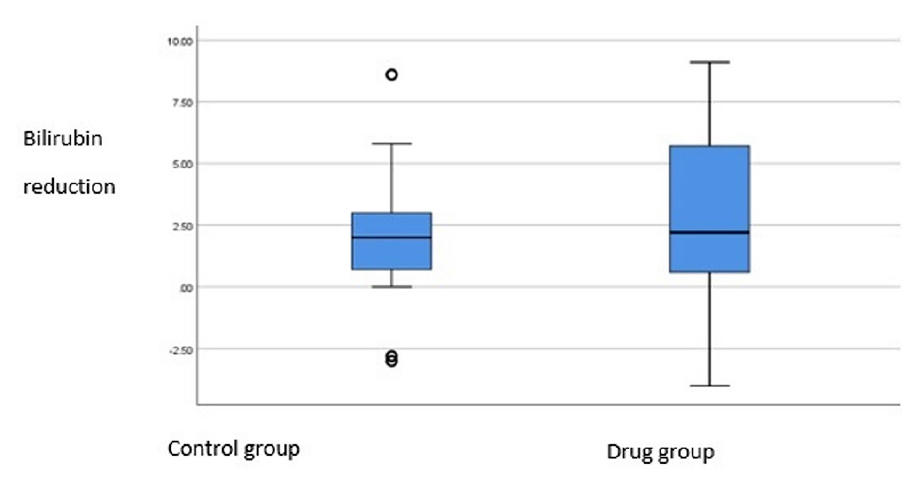
Figure 2. The graph shows the bilirubin reduction rate during 5 days in two groups.
| Variable | Study groups | ||||
|---|---|---|---|---|---|
| Control | Drug | Total | P value* | ||
| Serum bilirubin (visit day) | mean±SD | 12.26±1.65 | 11.69±1.48 | 12.1±1.56 | 0.469 |
| min-max | 10.10-14.90 | 10.20-14.80 | 10.10-14.90 | ||
| Serum bilirubin (5th day) | mean±SD | 10.9±2.74 | 9.07±3.46 | 9.58±3.13 | 0.216 |
| min-max | 4.30-15.50 | 2.70-18.00 | 2.70-18.00 | ||
| Bilirubin reduction within 5 days | mean ±SD | 2.17±2.50 | 2.89±3.00 | 2.53±2.76 | 0.323 |
| min-max | -3.00-8.60 | -3.00-10.9 | -4.00-10.9 | ||
| Percentage of bilirubin reduction within 5 days | mean±SD | 17.62±20.50 | 24.68±25.46 | 21.15±23.18 | 0.249 |
| min-max | -27.78-59.31 | -28.57-77.12 | -28.57-77.12 | ||
| P value** | P<0.001 | P<0.001 | P<0.001 | ||
| SD: Standard deviation; *Independent t test; **Paired t test; P<0.05 was considered statistically significant. | |||||
The mean change in bilirubin, along with the 95% confidence intervals (CIs) for the primary outcome, was calculated and presented in table 4. According to table 4, bilirubin levels on day 1 did not differ significantly between the two groups (P=0.469). Both groups showed a significant decline in serum bilirubin from baseline to day 5 (P<0.001). In the control group, mean bilirubin decreased from 12.26±1.65 to 10.09±2.74 mg/dL, with a mean change of 2.17±2.50 mg/dL (95% CI: 1.21-3.12). In the intervention group, mean bilirubin decreased from 11.96±1.48 to 9.07±3.45 mg/dL, with a mean change of 2.89±3.00 mg/dL (95% CI: 1.75-4.03). The overall mean reduction was 2.53±2.76 mg/dL (95% CI: 1.80-3.25). The difference in bilirubin reduction between the two groups was not statistically significant (P=0.323). On day 5, mean bilirubin levels did not differ significantly between the two groups (P=0.216).
| Variable | Study groups | P value* | |||
|---|---|---|---|---|---|
| Control | Intervention | Total | |||
| Serum bilirubin (visit day) | mean±SD | 12.26±1.65 | 11.96±1.48 | 12.11±1.56 | 0.469 |
| 95% CI | 11.63-12.89 | 11.40-12.52 | 11.70-12.52 | ||
| Serum bilirubin (day 5) | mean±SD | 10.09±2.74 | 9.07±3.45 | 9.58±3.13 | 0.216 |
| 95% CI | 9.05-11.14 | 7.76-10.38 | 8.76-10.40 | ||
| Mean bilirubin Change within 5 days | mean±SD | 2.17±2.50 | 2.89±3.00 | 2.53±2.76 | 0.323 |
| 95% CI | 1.21-3.12 | 1.75-4.03 | 1.80-3.25 | ||
| Percentage of mean change in bilirubin within 5 days | mean±SD | 17.62±20.50 | 24.68±25.46 | 21.25±23.18 | 0.249 |
| 95% CI | 9.82-25.41 | 15.00-34.37 | 15.05-27.25 | ||
| P value** | P<0.001 | P<0.001 | P<0.001 | ||
| **Paired t test; *Independent t test; P<0.05 is significant. | |||||
According to table 5, bilirubin level on day 5 differed significantly between the drug and control groups, depending on the presence or absence of ABO or Rh incompatibility. As shown in table 5, on day 5, infants with ABO or Rh incompatibility in the intervention group had significantly lower bilirubin levels than those in the control group (P=0.031, P=0.049, respectively). Lower bilirubin levels on day 5 were also observed in an ABO-incompatible infant in the intervention group than those in the same group without ABO incompatibility (P=0.041). No significant difference was found regarding Rh incompatibility.
| Variable | Control | Drug | Total | |||||||||||
|---|---|---|---|---|---|---|---|---|---|---|---|---|---|---|
| RH incompatibility | P value | ABO incompatibility | P value | RH incompatibility | P value | ABO incompatibility | P value | RH incompatibility | P value | ABO incompatibility | P value | |||
| Bilirubin (Day 1) | Yes | mean±SD | 11.70±0.42 | 0.629 | 11.97±1.61 | 0.505 | 12.26±2.06 | 0.625 | 11.71±1.30 | 0.589 | 12.10±1.72 | 0.988 | 11.86±1.45 | 0.412 |
| No | mean±SD | 12.30±1.70 | 12.41±1.69 | 11.90±1.38 | 12.05±1.56 | 12.11±1.56 | 12.22±1.61 | |||||||
| Bilirubin (Day 5) | Yes | mean±SD | 8.65±3.04 | 0.450 | 9.27±2.77 | 0.247 | 7.28±1.74 | 0.209 | 7.26±2.33 | 0.041 | 7.67±2.00 | 0.031 | 8.38±2.71 | 0.049 |
| No | mean±SD | 10.20±2.75 | 10.53±2.69 | 9.44±3.63 | 9.76±3.61 | 9.84±3.18 | 10.12±3.19 | |||||||
| Bilirubin reduction | Yes | mean±SD | 3.05±2.62 | 0.613 | 2.70±2.73 | 0.437 | 4.98±1.54 | 0.019 | 4.45±2.82 | 0.084 | 4.43±1.90 | 0.025 | 3.48±2.83 | 0.079 |
| No | mean±SD | 2.10±2.53 | 1.88±2.40 | 2.45±3.07 | 2.30±2.91 | 2.27±2.77 | 2.10±2.66 | |||||||
| Percentage of bilirubin reduction | Yes | mean±SD | 26.49±23.32 | 0.536 | 22.39±21.84 | 0.373 | 40.56±11.80 | 0.023 | 36.99±23.02 | 0.109 | 36.54±15.19 | 0.024 | 28.88±22.94 | 0.089 |
| No | mean±SD | 16.96±20.62 | 15.11±19.90 | 21.38±26.43 | 20.00±25.26 | 19.04±23.40 | 17.67±22.72 | |||||||
The rate of bilirubin reduction over 5 days was compared between the two groups based on the presence or absence of ABO or Rh incompatibility. The rate of bilirubin reduction differed significantly between groups according to Rh incompatibility (but not ABO incompatibility; P=0.025). Infants with Rh incompatibility in the intervention group experienced greater bilirubin reduction than those with Rh incompatibility in the control group. In intra-group analysis, the rate of bilirubin reduction over 5 days was significantly higher in infants with Rh incompatibility (but not ABO incompatibility) in the intervention group (P=0.019, table 5).
There was also a significant difference in the percentage of bilirubin reduction between groups regarding ABO or Rh incompatibility. In the intervention group, infants with Rh incompatibility experienced 1.9 times greater percentage of bilirubin reduction than infants without Rh incompatibility in the control group (P=0.024). This difference was not observed for ABO incompatibility (P=0.089). Intragroup analysis revealed a statistically significant difference in the percentage of bilirubin reduction in the intervention group: infants with Rh incompatibility showed a two-fold greater reduction (40.56% vs. 21.38%, P=0.023; table 5).
Table 6 shows the effect of the drug on bilirubin reduction after adjusting for individual and baseline factors using a multiple linear regression model. The results indicated that the effect of the drug administration, compared to no medication, on bilirubin reduction was not statistically significant after controlling for confounding variables (P=0.668). However, bilirubin level on day 1 had a significant effect on day 5 bilirubin levels and its reduction (P<0.001), with an effect size of PES=0.273 and a high statistical power. Additionally, maternal Rh status significantly influenced day 5 bilirubin levels and their reduction (PES=0.075, P=0.05).
| Parameters | B (regression coefficient) | Standard Error | P value |
|---|---|---|---|
| Fixed value (intercept) | 0.577 | 8.443 | 0.964 |
| Group (intervention vs baseline [control] | 0.303 | 0.702 | 0.668 |
| RH incompatibility (Yes vs. baseline [No]) | 0.856 | 1.225 | 0.488 |
| ABO incompatibility (Yes vs. baseline [No]) | 11.766 | 0.737 | 0.021 |
| Baseline bilirubin | 0.980 | 0.231 | <0.001 |
| Maternal RH (Negative vs. baseline [Positive]) | -2.466 | 1.254 | 0.055 |
| Maternal blood group (O vs. baseline [A]) | -1.614 | 0.848 | 0.063 |
| Maternal blood group (B vs. baseline [A]) | -2.751 | 1.143 | 0.020 |
| Age of neonate (per day) | -.025 | 0.39 | 0.529 |
| Gestational age (per week) | 0.030 | 0.202 | 0.884 |
Finally, maternal blood type also affected bilirubin levels on day 5 and their reduction. Infants born to mothers with blood group B showed a significantly greater decrease in bilirubin on day 5 than those born to mothers with blood group A (PES=0.108, P=0.02). Similarly, ABO incompatibility had a significant effect on day 5 bilirubin levels and their reduction (PES=0.107, P=0.021).
Discussion
In this clinical trial involving 58 patients divided into two groups of 29 each, intragroup analysis showed a significant reduction in bilirubin levels over 5 days. However, the mean reduction and the bilirubin level on day 5 were not statistically different between the two groups. Besides, ABO incompatibility was associated with lower bilirubin levels on day 5 in the intervention group, whereas Rh incompatibility correlated with greater bilirubin reduction over the 5 days.
PIH is generally benign, but in some cases, it may indicate serious underlying pathology. 2 With a prevalence ranging from 2% to 15%, management remains challenging for pediatricians even after ruling out pathological causes. PIH can cause concern among parents, leading to frequent clinic visits. There is essentially no definitive treatment for PIH, and most physicians agree on expectant management after excluding pathological causes. 3 Some studies investigated pharmacological interventions for PIH. 2 , 20
Phenobarbital is a competitive agonist of the constitutive androstane receptor, which stimulates the gene for UGT1A1, thereby inducing the production of bilirubin-conjugating enzymes. This process enhances the clearance, uptake, and storage of unconjugated bilirubin in the liver and its conjugation. 2
Al-Musawi and others investigated the effect of oral phenobarbital on 101 infants with PIH. They administered phenobarbital for 10 days at a dose of 5 mg/Kg/day and reported that the drug was effective in reducing bilirubin levels. 2 However, phenobarbital is not considered a safe treatment due to side effects such as drowsiness, secondary dehydration from reduced milk intake, Stevens-Johnson syndrome, and potential neurological risks. It is typically reserved for special cases such as Crigler-Najjar syndrome. 3 , 21
Breastfeeding is responsible for approximately 40% of cases of PIH. High β-glucuronidase activity in human breast milk contributes to the persistence of hyperbilirubinemia in many breast-fed infants with PIH. This enzyme deconjugates bilirubin in the intestinal brush border, increasing serum reabsorption instead of excretion. UDCA can inhibit β-glucuronidase. 12
Some physicians recommend stopping breastfeeding for 24 hours. 6 , 22 However, the potential for infant reluctance to resume breastfeeding and the emotional distress experienced by parents must be weighed against the potential benefits of treatment. Considering the exclusion of other pathological causes, breast milk was likely the cause of hyperbilirubinemia in many patients in the recent study. Therefore, mothers were not advised to temporarily discontinue breastfeeding.
UDCA is a biliary acid that acts through three primary mechanisms: protecting cholangiocytes from the cytotoxicity of hydrophobic biliary acids, stimulating hepatobiliary secretions, and protecting hepatocytes from biliary acid-related apoptosis. It is extensively used in the treatment of cholestatic liver diseases, although its efficacy in reducing indirect hyperbilirubinemia remains debated. In addition to its protective effects on liver cells and cholangiocytes, UDCA reduces erythroblast production and ultimately bilirubin formation, decreases the enterohepatic circulation, and increases fecal bilirubin excretion. 12 In the first week of life, jaundice is mostly related to increased red blood cell turnover and immaturity of hepatic conjugation. In PIH, factors such as breast milk jaundice or mild metabolic/genetic conditions play a more prominent role. Despite the beneficial adjunctive effect of UDCA combined with phototherapy on bilirubin reduction and shortened hospital stay observed in the present study, only one study was conducted so far on the therapeutic effect of UDCA in PIH. 3
The present study found no significant difference in bilirubin levels on day 5 or in the rate of bilirubin reduction over 5 days between the two groups. In the control group, two cases showed an increase in bilirubin on day 5 compared to day 1. In one case, serum bilirubin increased from 12.7 to 15.5 mg/dL on day 5, necessitating hospitalization for phototherapy. In the intervention group, two cases also showed bilirubin increases: in one, bilirubin rose from 14.3 to 18.1 mg/dL, leading to hospitalization. No cases required blood exchange transfusion in either group. A 2023 study by Ozdemir and others administered UDCA at a dose of 10 mg/Kg/day for 7 days to 47 term infants with PIH. They reported significantly greater bilirubin reduction on days 7 and 14 than the placebo group (P=0.001), 3 which contrasted with the findings of the present study. The discrepancy might be attributed to the higher dose of UDCA and differences in the timing of serum bilirubin measurements.
In the present study, 39.7% of infants were exclusively breastfed, 12.1% were formula-fed, and 48.3% received both breast milk and formula. In the previous study, formula-fed infants, preterm infants, those with blood group incompatibility, and G6PD deficiency were excluded. 3 Differences in results might be influenced by underlying conditions such as Gilbert syndrome or G6PDD deficiency.
In a study on 100 term infants undergoing phototherapy, Mirzarahimi and others examined the effect of UDCA (as an adjuvant to phototherapy). Consistent with the present study, they observed no significant difference in bilirubin reduction or hospital stay compared to the control group. 11 However, the age group in the that study differed entirely from the present one. 11
In contrast to the present study, Shahramian and others investigated the effect of UDCA at a dose of 15 mg/Kg/day combined with phototherapy in 200 infants aged 3 to 5 days. They found significantly different bilirubin levels on days 2 and 3 between the groups. 12
In the study by Hassan and others, UDCA at 10 mg/Kg/day was administered with phototherapy to 200 infants. Bilirubin levels were significantly lower in the intervention group on day 2. 16 A systematic review and meta-analysis reported that UDCA administration in infants with indirect hyperbilirubinemia undergoing phototherapy was associated with a reduction in total bilirubin within the first 48 hours of treatment. 13
The results of our study contrasted with the positive findings of Gharabaghi and others and Meena and colleagues, who evaluated the effects of UDCA as an adjunct to phototherapy. 10 , 14 However, differences in age group, type of jaundice, and treatment schedules might account for the divergent outcomes.
In this study, 12% and 31% of newborns had Rh and ABO incompatibility, respectively. According to the results, bilirubin reduction was greater in the intervention group among infants with Rh incompatibility. In the intragroup analysis, bilirubin reduction was significantly greater in the drug group, while it was non-significant in the control group. Among infants with ABO incompatibility, there was no significant difference in bilirubin reduction between the two groups, and intragroup analysis also showed non-significant differences. Infants with ABO-Rh incompatibility in the intervention group had lower bilirubin levels on day 5 than the matched infants in the control group.
It can be concluded that UDCA was more effective in reducing bilirubin levels on day 5 in infants with Rh incompatibility. Although bilirubin levels on day 5 were significantly lower in the drug group for infants with ABO incompatibility, the rate of bilirubin reduction did not differ significantly between groups. The results of the present study showed that UDCA was more effective in reducing indirect bilirubin in infants with Rh incompatibility than in those with compatible Rh or incompatible ABO. In many previous studies, cases with BG and Rh incompatibility and G6PDD deficiency were excluded. 2 , 9 - 12
A double-blind controlled study by Ughasoroand others evaluated the effect of UDCA on high TSB in neonates. Recruited neonates were assigned to an experimental group (given UDCA plus phototherapy) or a control group (phototherapy and plain syrup). ABO-incompatible cases were included, although the infants’ age differed from that in the present study. No therapeutic difference was observed based on the presence or absence of ABO incompatibility. 7 Rezaie and others evaluated the effect of UDCA on total bilirubin of neonates with G6PDD deficiency complicated by indirect hyperbilirubinemia undergoing phototherapy. A greater reduction in serum bilirubin and shorter hospital stay were observed in the intervention than the control group. 23 Farhadi and colleagues also studied UDCA specifically in icteric infants with G6PDD deficiency undergoing phototherapy and reported positive outcomes. 24
In the present study, UDCA appeared to have a greater effect in neonates with Rh incompatibility than in those with ABO incompatibility. Several factors might explain this: Hemolysis is typically more pronounced in Rh incompatibility, potentially amplifying the measurable effect of the drug. In contrast, many cases of ABO incompatibility were mild and may occur without significant hemolysis, resulting in less detectable differences. 25 , 26
The relatively small number of infants with blood group incompatibility and baseline heterogeneity might also contribute to the observed discrepancies. Furthermore, our trial included neonates with either Rh or ABO incompatibility, which partly explains the observed differences.
In cases of blood group incompatibility (ABO or Rh), hyperbilirubinemia is primarily due to increased hemolysis and excessive production of unconjugated bilirubin. 27 , 28
The natural course of hemolytic jaundice usually peaks around the third to fifth day of life. Thus, the therapeutic impact of UDCA becomes more pronounced during this critical period, which may explain why neonates with blood group incompatibility who received the drug demonstrated lower bilirubin levels on day 5 than the control group.
In the present study, only one parent reported neonatal restlessness as a possible drug side effect. In many other studies—by Akefi, 9 El-Gendy, 29 Hassan, 16 Honar, 8 Jafari, 17 and Shahramian 12 —no significant side effects were observed. In the study by Qarabaghi and others, only one case of diarrhea was reported. 10
Based on the findings, the effect of the drug compared to expectant management on bilirubin reduction, after multiple analyses adjusting for individual and background variables, was not statistically significant. Only the effect of bilirubin on the first day, maternal Rh status, maternal BG, and ABO incompatibility was significant and noticeable in relation to bilirubin levels on day 5 and its reduction. Newborns of mothers with negative Rh or B blood group experienced a greater reduction in bilirubin (P=0.02, P=0.05, respectively).
In the present study, the main cause of PIH in the majority of infants was probably breast milk. We expected that UDCA would produce a therapeutic response in the intervention group within this age range; however, this result was not achieved.
The question arises whether the effect of UDCA decreases with increasing infant’s age. Do the different mechanisms of hyperbilirubinemia in PIH compared to jaundice of the first days of life account for the differences in results? Is a longer duration of UDCA treatment needed in PIH to achieve satisfactory outcomes? Answering these questions requires further multi-center studies with larger sample sizes in this target age group.
This study had several limitations that should be acknowledged. First, a suspension form of UDCA was not available in Iran, and preparing the drug posed difficulties, which were partially addressed through comprehensive parental education. Additionally, the absence of a placebo should be noted. Thus, observational bias cannot be ruled out.
Conclusion
The results of the present study indicated that a 5-day course of UDCA had no significant effect on serum bilirubin levels in infants with PIH compared to the control group. Further studies with larger sample sizes or longer treatment durations are recommended to more accurately evaluate the effect of this drug on different doses.
Acknowledgment
The authors would like to deeply appreciate the cooperation of all colleagues and participants. This study was extracted from the thesis of Zahra Ghadiri.
Authors’ Contribution
M.T: Study design, carrying out the implementation, data analysis, and reviewing the manuscript; S.M: Study design, carrying out the implementation, and reviewing the manuscript; SA.HN: Study design, carrying out the implementation, data analysis, and reviewing the manuscript; V.A: Carrying out the implementation and drafting; Z.GH: Carrying out the implementation and drafting; M.SH: Study design, and reviewing the manuscript. All authors have read and approved the final manuscript and agree to be accountable for all aspects of the work in ensuring that questions related to the accuracy or integrity of any part of the work are appropriately investigated and resolved.
Declaration of AI
The authors declare that no AI tools were used in the preparation of this manuscript.
Conflict of Interest
None declared.
References
- Ullah S, Rahman K, Hedayati M. Hyperbilirubinemia in neonates: types, causes, clinical examinations, preventive measures and treatments: a narrative review article. Iran J Public Health. 2016; 45:558-68. Publisher Full Text | PubMed [ PMC Free Article ]
- Al-Musawi ZM, Al-Musawi SN, Ali IMM. The role of oral phenobarbital therapy in the management of neonates with prolonged unconjugated hyperbilirubinemia. Alqadisiah Med J. 2019; 15:57-66.
- Ozdemir A, Kurtoglu S, Halis H, Bastug O. An evaluation of ursodeoxycholic acid treatment in prolonged unconjugated hyperbilirubinemia due to breast milk. Niger J Clin Pract. 2023; 26:1226-33. DOI | PubMed
- Bratton S, Cantu RM, Stern M, Dooley W. Breast milk jaundice (nursing). Treasure Island: StatPearls; 2023.
- Ansong-Assoku B, Adnan M, Daley S, Ankola P. Neonatal jaundice. Treasure Island: StatPearls; 2024.
- Asinobi IN. Breastmilk jaundice – could it be more common than we realize? J Adv Med Med Res. 2023; 35:29-35. DOI
- Ughasoro MD, Adimorah GN, Chukwudi NK, Nnakenyi ID, Iloh KK, Udemba CE. Reductive effect of ursodeoxycholic acid on bilirubin levels in neonates on phototherapy. Clin Exp Gastroenterol. 2019; 12:349-54. Publisher Full Text | DOI | PubMed [ PMC Free Article ]
- Honar N, Ghashghaei Saadi E, Saki F, Pishva N, Shakibazad N, Hosseini Teshnizi S. Effect of ursodeoxycholic acid on indirect hyperbilirubinemia in neonates treated with phototherapy. J Pediatr Gastroenterol Nutr. 2016; 62:97-100. DOI | PubMed
- Akefi R, Hashemi SM, Alinejad S, Almasi-Hashiani A. The effect of ursodeoxycholic acid on indirect hyperbilirubinemia in neonates treated with phototherapy: a randomized clinical trial. J Matern Fetal Neonatal Med. 2022; 35:4075-80. DOI | PubMed
- Gharehbaghi MM, Sani AM, Refeey M. Evaluating the effects of different doses of ursodeoxycholic acid on neonatal jaundice. Turk J Pediatr. 2020; 62:424-30. DOI | PubMed
- Mirzarahimi M, Barak M, Moghaddam SS, Moghaddam EE. Effect of ursodeoxycholic acid (USDA) on indirect hyperbilirubinemia in neonates treated with phototherapy. Prog Asp Pediatr Neonatol. 2019; 2:138-41. DOI
- Shahramian I, Tabrizian K, Ostadrahimi P, Afshari M, Soleymanifar M, Bazi A. Therapeutic effects of ursodeoxycholic acid in neonatal indirect hyperbilirubinemia: a randomized double-blind clinical trial. Arch Anesthesiol Crit Care. 2019; 5:1211. DOI
- Lazarus G, Francie J, Roeslani RD, Saldi SRF, Oswari H. Role of ursodeoxycholic acid in neonatal indirect hyperbilirubinemia: a systematic review and meta-analysis of randomized controlled trials. Ital J Pediatr. 2022; 48:179. Publisher Full Text | DOI | PubMed [ PMC Free Article ]
- Meena D, Bhardwaj D, Gupta D, Jagrwal D. Effect of oral ursodeoxycholic acid on indirect hyperbilirubinemia in neonates treated with phototherapy at tertiary care centre. Eur J Mol Clin Med. 2021; 7:5738-47.
- Huseynova RA. Effect of ursodeoxycholic acid in unconjugated hyperbilirubinemia in the term neonates treated with phototherapy: a systematic review. Baku: Azerbaijan Medical University; 2022. DOI
- Hassan AM, Abdulrahman A, Husain RH. Effect of ursodeoxycholic acid in lowering neonatal indirect hyperbilirubinemia: a randomized controlled trial. Merit Res J Med Med Sci. 2015; 3:402-5.
- Jafari S, Khan KA, Bhatnagar S, Srivastava G, Nanda C, Chandra A. Role of ursodeoxycholic acid in neonates with indirect hyperbilirubinemia—an open labelled randomised control trial. Int J Contemp Pediatr. 2018; 5:432-5. DOI
- Kuitunen I, Kiviranta P, Sankilampi U, Renko M. Ursodeoxycholic acid as adjuvant treatment to phototherapy for neonatal hyperbilirubinemia: a systematic review and meta-analysis. World J Pediatr. 2022; 18:589-97. Publisher Full Text | DOI | PubMed [ PMC Free Article ]
- Sarathy L, Chou JH, Romano-Clarke G, Darci KA, Lerou PH. Bilirubin measurement and phototherapy use after the AAP 2022 newborn hyperbilirubinemia guideline. Pediatrics. 2024; 153:e2023063323. DOI | PubMed
- Bagcı O, Varal IG, Dogan P, Özkan H, Köksal N. The role of probiotics in breast milk jaundice: results of a prospective study in a tertiary care center. Pediatr Int. 2025; 67:e70043. DOI | PubMed
- Tabrizian K, Shahramian I, Bazi A, Afshari M, Ghaemi A. Alleviating effects of ursodeoxycholic acid in children with acute hepatitis A infection: a randomized clinical trial. Hepat Mon. 2019; 19:e93552. DOI
- Kazem Sabzehei M, Basiri B, Gohari Z, Bazmamoun H. Etiologies of prolonged unconjugated hyperbilirubinemia in neonates admitted to neonatal wards. Iran J Neonatol. 2015; 6:37-42.
- Rezaie M, Gholami R, Jafari M, Haghighinejad H. Evaluating the effect of ursodeoxycholic acid on total bilirubin of neonates with glucose-6-phosphate dehydrogenase deficiency complicated by indirect hyperbilirubinaemia. J Paediatr Child Health. 2021; 57:1175-81. DOI | PubMed
- Farhadi R, Keyhanian E, Naderisorki M, Nadi Ghara A. Effects of two different doses of ursodeoxycholic acid on indirect hyperbilirubinemia in neonates with glucose-6-phosphate dehydrogenase deficiency treated with phototherapy: a randomized controlled trial. Glob Pediatr Health. 2023; 10:2333794X231156055. Publisher Full Text | DOI | PubMed [ PMC Free Article ]
- Simmons DP, Savage WJ. Hemolysis from ABO incompatibility. Hematol Oncol Clin North Am. 2015; 29:429-43. DOI | PubMed
- Sahin K, Aydın T, Bilgin DD, Büyükkayhan D, Elevli M. Comparison of demographic characteristics and haematological parameters in newborns with and without haemolytic disease due to ABO incompatibility. BMC Pediatr. 2025; 25:582. Publisher Full Text | DOI | PubMed [ PMC Free Article ]
- Mahapatra S, Patra K, Panda S, Behuria S, Sahu PK, Majhi MM. Hyperbilirubinemia in neonates with blood group incompatibilities - a bane or a boon for the management. Transfus Clin Biol. 2025; 32:82-6. DOI | PubMed
- Parastatidou S, Tsantes AG, Emmanouil CC, Konstantinidi A, Kapetanaki A, Sokou R. Neonatal hemolytic jaundice: causes, diagnostic approach, and management. Children (Basel). 2025; 12:666. Publisher Full Text | DOI | PubMed [ PMC Free Article ]
- El-Gendy F, Bahbah W, Al Kafory E. Effect of ursodeoxycholic acid on indirect hyperbilirubinemia in neonates treated with phototherapy. Menoufia Med J. 2019; 32:1059-63. DOI


