
What’s Known
Noncommunicable diseases (NCDs) are a growing global problem affecting health systems.
What’s New
The research reveals a notable gap in the scientific literature related to the heterogeneous definition of indirect costs. Understanding the relationship between individuals dealing with chronic illnesses and bringing an integrated perspective on economic and public health decisions is essential, as is implementing strategies across various levels of prevention.
Introduction
Health systems have been forced to restructure their priorities due to the rapid epidemiological transition, demographic changes resulting from population aging, and the marked decline in disease burden. This situation has shown the importance of non-communicable diseases (NCDs) within the Sustainable Development Goals (SDGs) framework, which has posed a substantial challenge for the health sector. 1 - 4
NCDs remain a public health problem. Among the top ten causes of death worldwide, seven are NCDs: ischemic heart disease (IHD), stroke, chronic obstructive pulmonary disease (COPD), lung, bronchus, and trachea cancer, Alzheimer’s and other dementias, diabetes, and kidney diseases. They make up seven out of the top ten causes of death worldwide, accounting for 71% of the 56.9 million deaths in 2016. Handling NCDs globally comes with many challenges, from ensuring everyone is included in healthcare to dealing with differences between rural and urban areas and gender disparities. 5
An estimated 17.0 million (57%) of the 29.8 million deaths occurred in people under 70 years of age (premature mortality), far from the target set out in the SDGs in target 3.4, which is to reduce mortality by one-third. Compared to 2015 levels, it will only be achieved in 35 countries (19%) for women and 30 countries (16%) for men, provided that these countries maintain or exceed their rate of decline in NCD mortality from 2010 to 2016. 6
Globally, preventable premature mortality from NCDs for both sexes decreased -1.3% per year, from 12,855 years in 1990 to 9,008 years in 2017. However, the slowdown in its decline is worrying. Only the Pacific and Western European regions and 25 countries (most high-income countries) are on track to achieve the SDG target of 3.4 (below –2.22%) in 2010 and 2017. 7 , 8
Given NCDs’ pivotal impact and consequences amidst demographic shifts, increased investment in research and diverse preventive strategies is imperative. This involves economic assessments for informed decision-making, emphasizing a comprehensive approach. Decision-makers must consider perspectives beyond payers, encompassing patients and society. Aligning with WHO recommendations, implementing cost-effective interventions is crucial for reducing the gap in universal health coverage and prioritizing vulnerable populations. 9 - 11
Scientific production concerning economic evaluations of the financial costs over time has focused on analyzing direct expenses. 12 The Burden of Disease studies conducted by The Institute for Health Metrics and subsequent studies largely account for indirect costs. As a result of the population changes mentioned above, NCDs reduce the quality and quantity of the labor force in the economically active population, contributing to impoverishment and increasing disparities in access to health, as households with NCDs experience a significantly higher risk of catastrophic expenditures, especially in low- to middle-income countries. 5 , 13 , 14
Considering the above, it is believed that there is a gap in the literature about the other costs unrelated to medical care, such as lost productivity, which includes absenteeism and presenteeism, income loss, and costs related to caregivers, among others. Additionally, there has yet to be a consensus on the definition of indirect cost, and to date, no review considers the barriers mentioned above. Consequently, this research identifies the indirect costs included in the scientific evidence of chronic non-communicable diseases in the economically active population from 2012-2022.
Materials and Methods
The procedural framework for this comprehensive review was documented in the International Prospective Registry of Systematic Reviews (PROSPERO, CRD 42023362203). The findings were subsequently articulated under the Preferred Reporting Elements for Systematic Reviews and Meta-Analyses (PRISMA) guidelines. The PECOT question included the following components: economically active population (15-64 years), exposure to the seven NCDs included in the top 10 causes of mortality globally (IHD, stroke, chronic obstructive pulmonary disease, lung, bronchus, and trachea cancer, Alzheimer’s and other dementias, diabetes, and kidney disease). The established result was indirect costs (costs of the condition unrelated to medical care) and temporality between 1/01/2012 – 30/06/2025. The precise keywords used as the foundation for the systematic literature review are explicitly listed in table 1 of the Supplementary material.
| ID | Author/ year | Country | Publication | Perspective | EE | NCD | Indirect cost |
|---|---|---|---|---|---|---|---|
| 1 | Adeniji and colleagues, 2021 35 | Nigeria | Cross-sectional | Caregiver/Patient | NA | CVD | Caregiver: loss of work/productivity/income Person: number of days absent from work multiplied by the patient’s earnings per day |
| 2 | Aoun and colleagues, 2022 36 | Lebanon | Cross-sectional | Social | NA | CKD | Productivity losses or opportunity costs due to morbidity |
| 3 | Banerjee and colleagues, 2013 30 | India | Prospective cohort | Patient | NA | Stroke | DALYS |
| 4 | Catalá-López and colleagues, 2015 37 | Spain | Cross-sectional | Patient | NA | Stroke | DALYS |
| 5 | Chen and colleagues, 2013 38 | China | Cross-sectional | Patient | NA | Stroke | DALYS |
| 6 | Dierick and colleagues, 2021 39 | Spain | Cross-sectional | Patient | NA | COPD | Absenteeism |
| 7 | Dray-Spira and colleagues, 2013 40 | France | Cohort | Patient | NA | Diabetes | Absenteeism (days) |
| 8 | Endo and colleagues, 2016 28 | Japan | Cohort | Patient | NA | Stroke | Return to work |
| 9 | Fayet-Moore and colleagues, 2018 41 | Australia | Economic evaluation | Patient | COI | CVD, diabetes | Productivity cost savings from fibre intake |
| 10 | Fernández de Larrea-Baz and colleagues, 2015 42 | Spain | Cross-sectional | Patient | NA | CVD | DALYS |
| 11 | Finkelstein and colleagues, 2021 43 | GCC | Economic evaluation | Patient/Social | COI | CHD, stroke, T2DB | Absenteeism, presenteeism, and productivity costs |
| 12 | Ford and colleagues, 2015 21 | United States | Economic evaluation | Societal/Patient | Cost of illness | COPD | Absenteeism |
| 13 | Frederix and colleagues, 2018 44 | Belgium | Economic evaluation | Patient/Social | Cost-benefit analysis | Acute coronary syndrome | Costs related to productivity losses due to premature mortality |
| 14 | Geelhoed-Duijvestijn and colleagues, 2013 45 | Austria, Denmark, Finland, Netherlands, Norway, Sweden, and Switzerland | Cross-sectional | Patient/Social | Cost of illness | T1DB, T2DB | 1. Meantime loss in working time after a NSHE 2. Mean time spent doing something about the NSHE 3. Mean time to function at the usual level 4. Unable to complete work tasks in a timely manner |
| 15 | Gènova-Maleras and colleagues, 2012 46 | Spain | Cross-sectional | Patient/Social | NA | all diseases | DALYS |
| 15 | Grisales-Romero and colleagues, 2020 47 | Colombia | Cross-sectional descriptive | Patient/Social | NA | Dementia, Alzheimer | DALYs |
| 16 | Guariguata and colleagues, 2012 48 | Namibia | Cross-sectional | Patient | NA | Diabetes | Incidence rate ratio of sick days (IRR) |
| 17 | Henriques and colleagues, 2017 49 | Portugal | Burden disease | Patient | NA | IHD | DALYs |
| 18 | Iqbal and colleagues, 2020 50 | Pakistan | Cohort | Patient/caregiver | NA | COPD | Absenteeism Patient / Caregivers (income lost) |
| 19 | Jiang and colleagues, 2012 22 | United States | Cross-sectional | Patient/Social | NA | all diseases | DALYs |
| 20 | Kimura and colleagues, 2020 28 | Japan | Cross-sectional analytic | Patient/Social | NA | CAD, stroke | Absenteeism Presenteeism |
| 21 | Cicin and colleagues, 2012 51 | Turkey | Economic evaluation | Patient/caregivers | COI | Lung cancer | Value of lost productivity due to time spent in the hospital |
| 23 | Malinowski and colleagues, 2015 52 | Poland | Economic evaluation | Patient/Social | Cost of illness | T1DB | Absenteeism |
| 24 | Maredza and colleagues, 2015 53 | South Africa | Cross-sectional | Patient | NA | Stroke | DALYS |
| 25 | Marthias and colleagues, 2021 54 | Indonesia | Cross-sectional analytic | Patient/Social | NA | NCD (>2 diseases) | productivity outcomes by the number of NCDs |
| 26 | Martinez Betancur O, 2016 34 | Colombia | Cross-sectional | Patient/Social | NA | Stroke | DALYS |
| 27 | McGrath and colleagues, 2019 23 | United States | Cross-sectional | Patient/Social | NA | Diabetes, COPD, myocardial infarction | DALYS |
| 28 | Mori and colleagues, 2021 29 | Japan | Cross-sectional | Patient | NA | Diabetes | presenteeism |
| 29 | Najafi and colleagues, 2016 55 | Iran | Economic evaluation | Patient/Social | Cost of illness | NCD: myocardial infarction, cerebral vascular diseases | Years of potential productive life lost (YPPLL) |
| 30 | Nexø and colleagues, 2020 56 | Denmark | Retrospective cohort | Patient | NA | T1DB, T2DB | Absenteeism |
| 31 | Ngeugoue and colleagues, 2020 57 | Cameroon | Economic evaluation | Patient/Social | COI | CKD | Income loss |
| 32 | Nhung and colleagues, 2014 58 | Vietnam | Cross-sectional | Patient/Social | NA | NCD | DALYS |
| 33 | Paalanen and colleagues, 2020 59 | Finland | Burden disease | Patient/Social | NA | IHD, COPD | DALYS |
| 34 | Ramachandran and colleagues, 2013 31 | India | Economic evaluation | Patient | COI | CKD | Income lost |
| 35 | Rizk and colleagues, 2016 60 | Lebanon | Economic evaluation | Patient/Caregivers | COI | CKD | Costs to patient and family: informal care, productivity losses |
| 36 | Ronne-Engström and colleagues, 2012 25 | Sweden | Cohort | Patient/Social | NA | Stroke | Absenteeism, DP |
| 37 | Souliotis and colleagues, 2017 61 | Greece | Economic evaluation | Patient/Caregiver | COI | COPD | Cost of work loss days, Cost of nonpaid caregivers’ time |
| 38 | Sudharsanan N, 2019 32 | India | Cross-sectional | Patient/Social | NA | Stroke | DALYS |
| 39 | Valsa Jose and colleagues, 2022 33 | India | Cross-sectional | Patient/Social | NA | CKD | Income lost |
| 40 | Voss and colleagues, 2012 26 | Sweden | Cross-sectional analytic | Patient/Social | NA | CHD | Absenteeism |
| 41 | Vuong and colleagues, 2015 24 | United Sates | Cross-sectional | Patient/Social | NA | Diabetes, COPD, stroke | Absenteeism, loss income |
| 42 | Zaghloul and colleagues, 2018 62 | United Kingdom | Cross-sectional | Patient/Social | NA | Diabetes | Presenteeism |
We carried out an initial exploratory investigation to determine suitable search terms and the probable availability of relevant studies. The research team discussed and approved the list of words, then were reviewed by one of the authors (L.H.R.), a library science professional who conducted a structured literature search in PubMed/ MEDLINE, PubMed Central (PMC), Embase, Scopus, and Web of Science (WoS). We included studies on economically active populations, economic evaluations with indirect costs, observational and burden-of-disease studies, systematic reviews, and selected noncommunicable diseases. The language of the articles was English and Spanish. In this review, we did not include gray literature. This decision was prespecified to maintain a consistent appraisal of peer-reviewed evidence. Narrative reviews, letters, conference proceedings, qualitative studies, and predictive modeling studies were excluded. Search strategy is specifically detailed in table 1 of the Supplementary material. The search terms were customized for each database included.
The Covidence tool was used for the review and extraction of data through the following stages: initially, the results of the search equation were extracted, and the information was uploaded to the platform; the duplicate information was removed from the four databases to continue the process of reviewing titles and abstracts, with the filtered articles the next stage was carried out, which consisted of the review of the full text. After each step, both authors (ALC and FPS) autonomously reviewed and contrasted the outcomes with any lingering disparities deliberated by a third author (MRC) to reach a conclusive decision. 15
The data extraction stage was carried out with an information synthesis matrix designed after the working group’s consensus. Data extraction matrix included Authors, Year of the study, Country, Publication, Perspective, type of Economic Evaluation (EE), type of NCD and Indirect cost. Data extraction was performed in pairs, mirroring the approach employed in earlier phases. Scheduled meetings addressed any questions or challenges arising during the extraction process. The complete version of the data extraction file can be provided upon request.
Quality of the information reporting (A) and the risk of bias (B) of the articles were evaluated according to the type of publication: Cross-sectional studies (A and B: Appraisal tool for Cross-Sectional Studies), 16 Cohort studies (A: Strengthening the Reporting of Observational Studies in Epidemiology 17 and B: Risk Of Bias in Non-randomized Studies - of Exposure, 18 Economic Evaluations (A: Consolidated Health Economic Evaluation Reporting Standards 19 and B: ECOBIAS 20 ) The manual of each tool was followed to qualify the articles, and the score was divided into tertiles that correspond to high, medium, and low quality.
Articles with access restrictions were searched on ResearchGate, and at least two attempts were made to contact the corresponding author. A qualitative analysis of the information presented in categories corresponding to NCDs and indirect cost subgroups included in this review was conducted. Heterogeneity between studies, mainly given by the definition of indirect cost, was the reason for not completing a meta-analysis.
Results
According to the search equation, an initial result of 1980 articles was obtained from the four databases. We included 42 articles for data extraction and assessment of the quality of the evidence. The selection process is shown in figure 1.
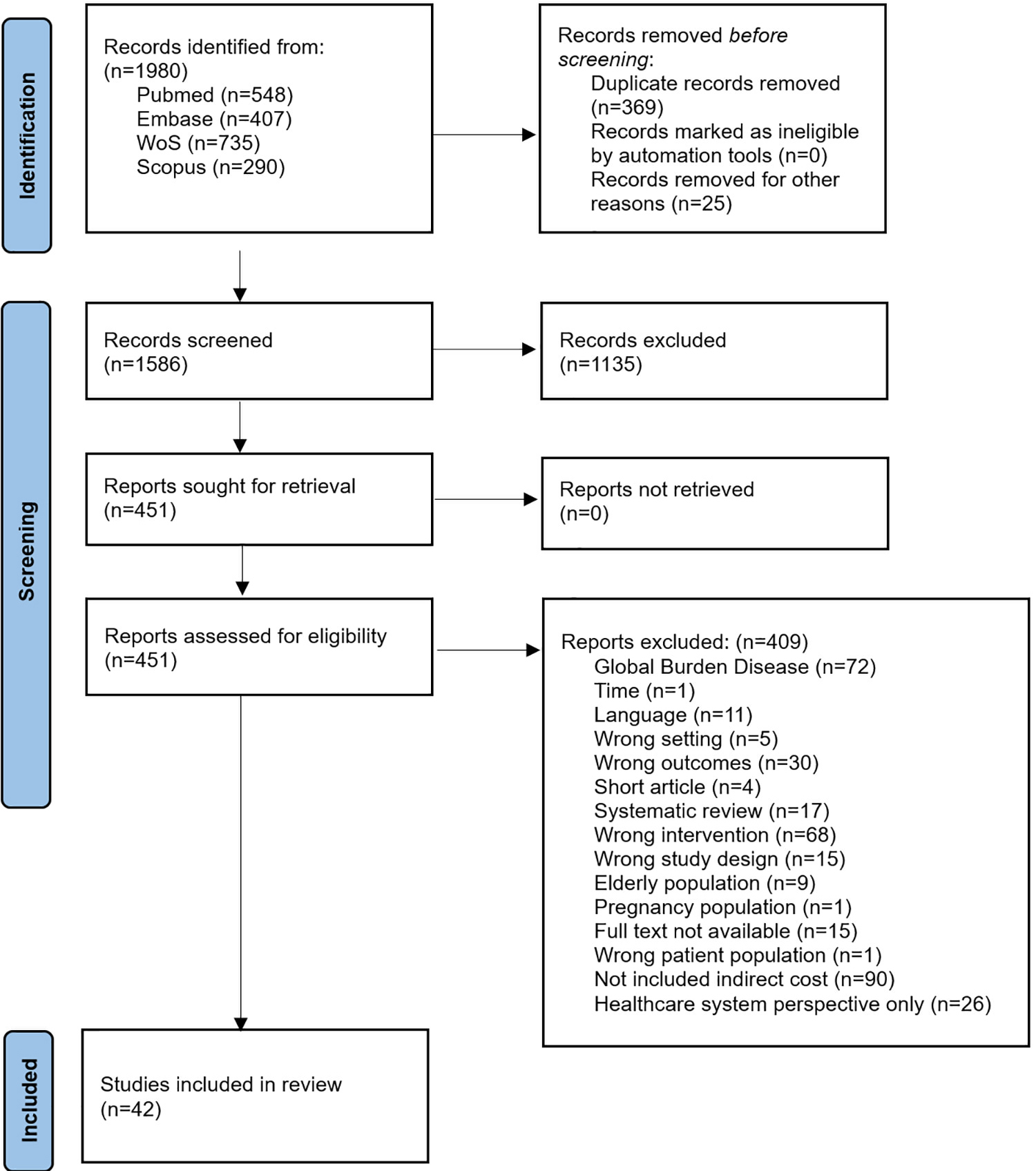
Figure 1. The PRISMA flow diagram illustrates the study selection process for the systematic review covering the period 2012–2022.
Study Characteristics
In the search period, the years 2015, 2020, and 2021 were highlighted. Literature production was concentrated in the United States, 21 - 24 Sweden, 25 , 26 Japan, 27 - 29 and India, 30 - 33 while in Latin America, Colombia 34 was the only one. The type of publication was distributed between cross-sectional studies (n=23), economic evaluations (n=11), cohort studies (n=6) and descriptive studies of burden of disease (n=2). The NCDs with the most publications were diabetes (n=10) and IHD (n=8). Indirect costs measured as DALYs that were not sub-analyses of Global Burden Disease were 14, and the perspective in most studies was from the patient’s point of view. Only two of the included articles were published in Spanish, while the remaining studies were in English. A summary of study characteristics can be found in table 1.
Indirect cost results were organized by category. The first corresponds to the cost of productivity mainly due to measures that reflected absenteeism (absence of working hours because of the disease) and presenteeism (decrease in the productivity of the working day secondary to the consequences of the disease). The second category is represented by DALYS, which reflects the combined measure of years of life lost due to premature death and years lived with disability.
Ischemic Heart Disease
Indirect costs were divided into productivity cost #8 and DALYs #4 using the burden of disease studies, as can be found in table 2 and table 3.
| ID | Author/ year | Country | NCD | Productivity cost | Results |
|---|---|---|---|---|---|
| 31 | Vuong and colleagues, 2015 24 | United States | Heart disease | Absenteeism, loss of income | Mean workdays lost (SD)/ loss of income per year: heart disease: 12.66 (2.17)/433,810.7 |
| 35 | Najafi and colleagues, 2016 55 | Iran | Myocardial Infarction | Years of potential productive life lost (YPPLL) | Years: 2006-2010 Men: 12,592,092 12,571,810 Women: 6,618,507 6,481,836 |
| 1 | Voss and colleagues, 2012 26 | Sweeden | CHD | Absenteeism | Prevalence ratio: CABG <90 days: W vs. M: 1.50, IC 1.40–1.60*** >90 days: M 1.22, IC 1.03–1.44**** W 1.36, CI 1.23–1.51*** PCI <90 days: W vs M: 1.30, IC 1.25–1.36*** >90 days: M 1.21, IC 1.11–1.32*** |
| 7 | Finkelstein and colleagues, 2021 43 | GCC | CHD | Absenteeism, presenteeism, and productivity costs | Estimated annual absenteeism costs: $2,616 million |
| Estimated annual presenteeism costs: $6,353 million | |||||
| 2 | Frederix and colleagues, 2018 44 | Belgium | ACS | Costs related to productivity losses due to premature mortality | #1 scenario: 20% CRH /80% no CRH #2 scenario: 40 % CRH /60 % no CRH #3 scenario: 20% CRH /20% CRH+ tele CRH/ 60 % no CRH Indirect costs related to initial cardiac hospitalisation: #1. €306,548,193/ #2. €306,548,193/#3. €306,548,193Indirect costs related to premature mortality #1. €461,991,541/ #2. €437,917,299/# 3. €437,917,299 € |
| 6 | Kimura and colleagues, 2020 28 | Japan | CAD | Absenteeism Presenteeism | probability of incident coronary artery disease within ten years: #1: low risk (LR) <0.5% #2 moderate(MR): 0.5-2% #3 high ris k(HR)> 2% |
| CAD presenteeism: MR (OR: 1.18; CI: 1.00-1.40)*** HR (OR: 1.46; CI: 1.18-1.81)*** CAD absenteeism: MR (OR: 1.29; CI: 1.08-1.53)*** HR (OR: 2.11; CI: 1.69-2.63)*** | |||||
| 22 | Adeniji and colleagues, 2021 35 | Nigeria | CVD | Caregiver: loss of work/productivity/income Person: number of days absent from work multiplied by the patient’s earnings per day | Annualized indirect outpatient cost: ₦19,146.5±₦53,610.1 (52.87±148.05) Annualized indirect cost per hospitalization: ₦14,700.8±₦ 69,297.1 (40.60±191.37) |
| 23 | Fayet-Moore and colleagues, 2018 41 | Australia | CVD | Productivity cost savings from fibre intake | $134.8 million for a 10% higher intake $278.8 million for the adequate intake (30 g M-25 g W) $609.5 million for the target intake (38 g M–28 g W), 0.04% of the GDP |
|
| ID | Author | Disease | Country | YLL methodology life table | YLD methodology weights (source) | YLD Incidence (time evaluated) | Results DALY=YLL+YLD DALY/ population |
|---|---|---|---|---|---|---|---|
| 4 | Catalá-López and colleagues, 2015 37 | CVD | Spain | GBD 1990 | DW (GBD 2010) *+ | IBERICTUS study (2006) | 1113 / 100,000 (1197 M – 1033 W) Relative difference*+: O: -59.9% M: -59.6% W: -60.2% |
| 10 | Fernández de Larrea-Baz and colleagues, 2015 42 | IHD | Spain | GBD 2010 | DW (GBD 2004 and 2010) *+ | Spanish registry of hospital discharges (2008) and GALICAP study | 11.8/100,000 (15.9 M-7.9 W) Relative difference: GBD 2010+O:-44% GBD 2004*+O:-54% |
| 15 | Gènova-Maleras and colleagues, 2012 46 | IHD | Spain | GBD 1990 | DW (GBD 2004) *+ | Western European countries (2008) | Dementia (7.9), IHD (4.7), stroke (3.8), lung cancer (3.8)* |
| 18 | Henriques and colleagues, 2017 49 | IHD | Portugal | GBD 2010 | DW (GBD 2013) | Portugal national hospital discharge register (2013), OFRECE study, PRICE study, and GALICAP study | <60 years: 23.44 M-4.93 W/1000 Age-standardized DALY rates per 1,000 population M: 7.3–11.8 (Northern/Central–Algarve) W: 2.6–4.6 (Northern/Central– Lisbon) |
| 27 | McGrath and colleagues, 2019 23 | MI | United States | United States Social Security Administration. Period Life Table. 2014 | DW (GBD 2004, 2013) *, sex | WHO (year not specified) | Rates were not reported |
| 33 | Paalanen and colleagues, 2020 59 | IHD | Finland | WHO Standard Life Table for Years of Life Lost (2018) | DW (GBD 2016) | FINRISK 2012 survey data | IHD 42.8 M–11.6 W/1000 COPD 6.7 M–3.6 W/1000 |
| 3 | Banerjee and colleagues, 2013 30 | Stroke | India | India Registry | DW (GBD/ 2004) * | Survey biannual (2003 – 2010). | 79557/1000 person-year (73043 M-55286 W) |
| 5 | Chen and colleagues, 2013 38 | Stroke | China | NR | DW 0.52% | Epidemiological studies -Dismod II tool (WHO) (2000-2005) | 2000: 71.9 M -72.3 W/ 1000 2001: 71.6 M - 71.2 W/ 1,000 2002: 72.2 M - 71.1 W/ 1000 2003: 74.6 M - 73.8 W/ 1000 2005: 77.5 M - 76.9 W/ 1000 2004: 75.4 M - 75.5 W/ 1000 |
| 15 | Gènova-Maleras and colleagues, 2012 46 | Stroke | Spain | GBD 1990 | DW (GBD 2004) *+ | Western European countries (2008) | Dementia (7.9), IHD (4.7), stroke (3.8), lung cancer (3.8)* |
| 24 | Maredza and colleagues, 2015 53 | Stroke | South Africa | GBD 1990 | DW (interviews)* | SASPI study Diamond II tool (2007-2011) | 15-29 y: 242 M/ 1219 W /100000 30-44 y: 2114 M/ 2449 W /100000 45-59 y: 5170 M/ 6847 W /100000 60-69 y: 5610 M/ 7505 W /100000 |
| 26 | Martínez-Betancur and colleagues, 2016 34 | Stroke | Colombia | Made by authors | DW*+ | Not specified | Rates were not reported |
| 38 | Sudharsanan and colleagues, 2019 32 | Stroke | India | GBD 2017 | DW 0.7% (GBD 2017) | Three-stage population-based screening | 3,068 /100000 (3195 M–2937 W/ 100000) Difference (DW): 3068 /100000 (3195 M–2937 W/ 100000) |
| 27 | McGrath and colleagues, 2019 23 | COPD | United States | United States Social Security Administration. Period Life Table. 2014 | DW (GBD 2004, 2013)*, sex | WHO (year not specified) | Rates were not reported |
| 33 | Paalanen and colleagues, 2020 59 | COPD | Finland | WHO Standard Life Table for Years of Life Lost (2018) | DW (GBD 2016) | FINRISK 2012 survey data | IHD 42.8 M–11.6 W/ 1000 COPD 6.7 M–3.6 W/ 1000 |
| 15 | Gènova-Maleras and colleagues, 2012 46 | Lung cancer | Spain | GBD 1990 | DW (GBD 2004)*+ | Western European countries (2008) | Dementia (7.9), IHD (4.7), stroke (3.8), lung cancer (3.8)* |
| 15 | Gènova-Maleras and colleagues, 2012 46 | Dementia | Spain | GBD 1990 | DW (GBD 2004)*+ | Western European countries (2008) | Dementia (7.9), IHD (4.7), stroke (3.8), lung cancer (3.8)* |
| 16 | Grisales-Romero and colleagues, 2020 47 | Dementia | Colombia | Standard life table (Coale and Demeny West model) | DW*+ | RIPS (Individual service provision records) Dismod II tool (2006-2012) | O*+: 3,59/1000 Mental disorders and nervous system diseases: 15- 29 years: 95.31/ 1,000 (31.03%) 30-44 years: 107.72/ 1,000 (29.97 %) |
| 27 | McGrath and colleagues, 2019 23 | Diabetes | United States | United States Social Security Administration. Period Life Table. 2014 | DW (GBD 2004, 2013)*, sex | WHO (year not specified) | Rates were not reported |
| 32 | Nhung and colleagues, 2014 58 | NCD | Vietnam | GBD 2010 | DW (previous studies)* | Surveys, hospital data Dismod II tool -2008 | Rates were not reported |
| 20 | Jiang and colleagues, 2012 22 | All diseases | United States (RI) | GBD 1990 | DW (USBODI study)*+ | United States incidence (2013) | Rates were not reported |
|
In the first category (table 2), it was reported that individuals with moderate risk (0.5%-2%) and high risk of coronary artery disease (>2%) at 10 years had a significantly higher rate of presenteeism (OR 1.18; IQ 1.00-1.40 and OR 1.46; IQ 1.18-1.81 respectively) and absenteeism (OR 1.29; CI 1.08-1.53 and OR 2.11; IQ: 1.69-2.63 respectively) than low-risk workers. 28
In Iran, it was found that acute myocardial infarction between 2006 – 2020 was the leading cause of potential life loss (YPLL) and years of possible productive life loss (YPPLL). Additionally, related productivity costs per YPPLL caused by heart attack ($29.5/YPPLL) ranked second in men after those caused by traffic accidents and first in women ($7.6/YPPLL). 55
Regarding the indirect costs related to diagnostic and therapeutic interventions for IHD, it was. (2012) found that the prevalence ratio (PR) of short-term (<90-day absenteeism) (PR 1.50, CI 1.40–1.60) and long-term (>90 days) (PR 1.36, CI 1.23–1.51) after coronary bypass surgery and short-term after percutaneous coronary intervention (PCI) is higher in women (PR 1.30, CI 1.25–1.36), it was associated with older age, self-employment, or unemployment. 26
Two studies reported indirect costs as a primarily monetary outcome variable. In the Gulf Cooperation Council countries, the indirect costs of IHD were estimated at $2,616 million in 2019 corresponding to absenteeism and $6,353 million to presenteeism. 43 In Nigeria, annual indirect costs from the perspective of patients and caregivers were estimated at ($52.87±148.05) and outpatient ($40.60±191.37) setting. This may be attributed to the fact that only 5% of the population is covered by the National Health Insurance Plan health insurance. 35
In Belgium, Frederix and others conducted a cost-benefit study that included three cardiac rehabilitation scenarios, demonstrated that increasing rehabilitation coverage can decrease the disease burden as the benefits exceed the costs (cost-benefit ratio of 1.52 and 1.43 for scenarios one and two, respectively) and additionally, indirect costs related to premature mortality were reduced as coverage increases in each system (€461,991,541; €437,917,299; €437,917,299, respectively). 44
In the second category (table 3), five articles included DALYs as an indirect cost. In Spain, Gènova-Maleras and others reported that IHD was in third place among the leading causes of DALYs (4.7/1000 population) after dementia and unipolar depression in 2008, 46 while Fernández de Larrea-Baz and others found a crude rate of 11.8/1,000 for the same year. Still, in the age-adjusted sensitivity analysis, DALYs were reduced by 44%, the opposite when adjusted for the weight of disability according to the GBD (2004), which increased by 11%. 42 In Finland, Paalanen and others measured DALYs for IHD using the administrative health registry and data from the 2012 FINRISK survey. They found a notable difference between men (42.8 DALYs/1000 population) and women (11.6 DALYs/1000 population). 59 The previously mentioned difference was also presented in Portugal in the study by Henriques and others, 7.3-11.8 DALYs/1000 population in men and 2.6-4.6 DALYs/1000 population in women. 49
Stroke
We included five articles about stroke-related loss of productivity. In the first category, Kimura and others also measured absenteeism and presenteeism related to stroke risk. The results also showed that moderate- and high-risk individuals had a significantly higher rate of presenteeism and absenteeism than low-risk workers. 28
Vuong and others reported that over two years in the United States, working-age workers experienced an average loss of 20 days due to functional limitations linked to this NCD. This situation led to annual economic losses estimated at $209284 24 Finkelstein and others also measured the previous outcome in the Gulf Cooperation Council countries with a marked difference in both absenteeism ($1.413 billion) and presenteeism ($3.432 billion). 43
Najafi and others included cerebral vascular diseases in their study. Still, in the YPPLL report in women, this disease was the leading cause, and the associated productivity costs ranked second only to acute myocardial infarction ($7.0/YPPLL). 55
The study by Ronne-Engström E and others was the only one to measure hemorrhagic stroke-related productivity loss. They reported that the first year of rehabilitation had greater absenteeism, but over time, the disability pension increased, and absenteeism reversed the initial relationship. 25 Endo and others reported that the average stroke-related absenteeism in a Japanese cohort was 3 months before a partial or complete return to work and before 1 year of the event, more than 50% of workers returned to their productive jobs. 27
In the second category, Taiwan exhibited an increase in DALYs between 2000 and 2005, as reported in the study by Chen and others. 38 In South Africa, it was noted that women in productive age experienced a greater affectation than men. 39 , 53 This situation should have been reflected in the rest of the papers.
Chronic Pulmonary Disease
In the first category, the results were initially distributed in the report of the days of absenteeism. Dierick and others analyzed in 2012 the average number of days of absenteeism of COPD was 93.2 in the United Kingdom, with an important difference between men (102.5) and women (74.1), while Vuong and others found a lower rate of 9.84 daysin two years. 24 , 39 The analysis of the monetary cost of indirect costs was carried out in countries such as Greece, where the results indicated an annual expenditure of €1774, representing 37.5% of the total cost of the disease. 61 By contrast, in the United States, costs associated with absenteeism in 2010 reached $3.9 billion. 21
In Pakistan, Iqbal and colleagues, reported that absenteeism days and related costs increased proportionally with the severity of COPD. 50
In the second category, only two articles reported indirect costs as DALYs. Paalanen and others reported higher figures for men (6.7 DALys/1000 population) than for women (3.6/1000 population). 7 , 59 Although McGrath and others did not report rates, they described the mean in the age range of 50 to 59 years was higher in women (21.9) than in men (19.8); a relationship that was maintained in the age range of 60 to 69 years (15.6 women, 13.2 men) in the United States’ population 23 (table 3).
Trachea, Bronchus, Lung Cancer, and Alzheimer’s Disease and Other Dementias
The results showed only one lung cancer paper. In Turkey, an economic evaluation conducted by Cicin and others found that absenteeism related to hospital care was, on average, 44 days for patients and caregivers, corresponding to €1.1 billion annually (68.6% of the total cost of the disease). This NCD ranked fifth among Spain’s leading causes of DALYs in 2008, representing 5.3% of the total. 51
On the other hand, the Alzheimer’s disease group and other dementias, category 1, did not yield results in the search. However, in category 2, Gènova-Maleras and others ranked second (7.9 DALYs/1000 population) after unipolar depression (8.4 DALYs/1000 people). 46 In Colombia, Romero and others reported a rate of 3.59 DALYs/1000 population in the period 2006-2012. In the analysis by age groups, it was found that unipolar depressive disorder, Alzheimer’s disease, and other dementias caused approximately 86% of DALYs in people between 45 and 79 years of age 47 (table 3).
Diabetes
Studies conducted in France and the United States showed that prolonged absenteeism (30–365 days) was directly proportional to the elapsed time of the illness, and income loss per year corresponded to $374544.7. 40 The previously mentioned results were also demonstrated in patients with type 1 diabetes in a study published in Poland by Malinowski and others. Additionally, in Namibia, the incidence rate of diabetes-related absenteeism was found to be 3.67 (95% CI: 2.06-6.55) times higher than people who do not have the disease. 48 Another factor contributing to the loss of productivity represented by absenteeism and presenteeism were episodes of non-severe hypoglycemia and inadequate metabolic control. 29 , 45
Fayet-Moore and others demonstrated that in diabetes and cardiovascular disease, primary prevention interventions, such as increasing fiber consumption, can contribute to the economic savings related to the loss of productivity due to these diseases. 41
In the second category, a study in the United States reported that for the age group of people between 50 and 59 years old, the average number of DALYs was the highest (20.8 DALYs), with significant impact on women in the period 1998–2014 23 (tables 3 and 4).
| ID | Author/ year | Country | NCD | Productivity cost | Results |
|---|---|---|---|---|---|
| 7 | Dray-Spira and colleagues, 201340 | France | Diabetes | Absenteeism | #1: 10 years before the onset of diabetes (no diabetes) 29-364 days: 89.3 (54.7)+ #2: The onset of diabetes (no diabetes) 29-364 days: 85.8 (64.4)+ #3: 5 years after the onset of diabetes (no diabetes) 29-364 days: 130.9+(74.8)+ |
| 17 | Guariguata and colleagues, 201248 | Namibia | Diabetes | Incidence rate ratio of sick days (IRR) | IRR: 3.67, 95% CI 2.06-6.55** |
| 28 | Mori and colleagues, 202129 | Japan | Diabetes | presenteeism | #1 group: HbA1c<7% / #2. 7%≤ HbA1c<8% / #3 >8%HbA1c #1: OR 1.48, 95% CI 1.11–1.96** #2: OR 1.92, 95% CI 1.24–2.98** #3: OR 1.80, 95% CI 1.08–3.02** |
| 42 | Zaghloul and colleagues, 201862 | United Kingdom | Diabetes | Presenteeism | Correlation: PAID/SPS 6 score: -0.3706*** (people were more likely to be present at work if they had fewer problems associated with their diabetes) Anxiety and depression from HADS /SPS 6 score: -0.603*** (more significant anxiety or depression was associated with decreased presenteeism) |
| 41 | Vuong and colleagues, 201524 | United States | Diabetes | Absenteeism, loss of income | Mean workdays lost (SD) / loss of income per year: 10.43 (2.10) */374,544.7 |
| 9 | Fayet-Moore and colleagues, 201841 | Australia | Diabetes | Productivity cost savings from fiber intake | $302.6 million for a 10% higher intake $652.6 million for the adequate intake (30 g M-25 g W) $1.4 billion for the target intake (38 g M–28 g W)-0.08% of the GDP |
| 14 | Geelhoed-Duijvestijn and colleagues, 201345 | Austria, Denmark, Finland, Netherlands, Norway, Sweden, and Switzerland | Diabetes (T1D / T2D) | 1. Mean time loss in working time after a NSHE 2. Mean time spent doing something about the NSHE 3. Mean time to functioning at the usual level 4. Unable to complete work tasks in a timely manner | 1. Mean time loss in working time after a NSHE, min (SD): during daytime 84.3 (144.5), during nocturnal 169.6 (241.0) 2. Mean time spent doing something about the NSHE, min (SD): Daytime 19.6 (84.6) Nocturnal 21.3 (54.4) 3. Mean time to functioning at the usual level, min (SD): Daytime 50.4 (357.6) Nocturnal 80.5 (267.6) 4. Unable to complete work tasks in a timely manner, n (%) 653 (51.1) |
| 30 | Nexø and colleagues, 202056 | Denmark | Diabetes (T1D / T2D) | Absenteeism | Work to unemployment: W HR 1.13, CI 1.04–1.24**** Work, unemployment, or sickness absence to disability pension: W HR 1.28, CI 1.11–1.15**** Unemployment to sickness absence: W HR 1.28, CI 1.03–1.59**** No differences between T1D-T2D |
| 23 | Malinowski and clooeagues, 201552 | Poland | Diabetes (T1D) | Absenteeism | Short term disability: T1D, the main cause Permanent long-term disability: T1D was responsible for almost half of the costs indirect costs in 2012: 118 million for T1D using Gross value added per worker |
| 11 | Finkelstein and colleagues, 202143 | GCC | Diabetes (T2D) | Absenteeism, presenteeism, and productivity costs | Estimated annual absenteeism costs: $2,422 million Estimated annual presenteeism costs: $34,506 million |
| $US dollar Nigerian Naira * P<0.0001 ** P<0.01 **** P<0.05 *** P<0.001 +: 1000/ person-year. ACS: Acute coronary syndrome; CABG: Coronary artery bypass grafting; CAD: Coronary artery disease; CHD: Coronary heart disease; CKD: Chronic kidney disease; COPD: Chronic obstructive pulmonary disease; CRH: Cardiac rehabilitation; CVD: Cardiovascular disease; DP: Disability pension; GCC: Gulf Cooperation Council Bahrain, Kuwait, Oman, Qatar, Saudi Arabia, and the United Arab Emirates; GDP: Gross domestic product; GOLD: Global initiative for chronic obstructive lung disease; HADS: Hospital anxiety and depression scale; HR: Hazard ratio; M: Men; NSHE: Non-severe hypoglycemic event; O: Overall; OR: Odds ratio; PAID: Problem areas in diabetes; PCI: Percutaneous coronary intervention; SA: Sickness absence; SAH: Subarachnoid hemorrhage; SPS: Stanford presenteeism scale; T1D: Type 1 diabetes mellitus T2D: Type 2 diabetes mellitus; W: Women | |||||
Kidney Disease
Results were only obtained in category one. In countries such as Cameroon and Lebanon, the productivity cost associated with income loss corresponded to 6.3% and 4.18%, respectively. 57 , 60 Ramachandran and others found that indirect costs are even higher for caregivers than for patients in India ($9866 and $1364, respectively). 31 Aoun and others reported insignificant indirect costs. 36
Assessment of the Quality of the Evidence
Overall, we found that the methodological quality of the studies included was moderate and good for reporting; otherwise, bias risk was low and medium. More detail was needed in sample size calculations.
Figure 2 presents the risk of bias assessment for the included observational studies, conducted with the ROBINS-E tool.
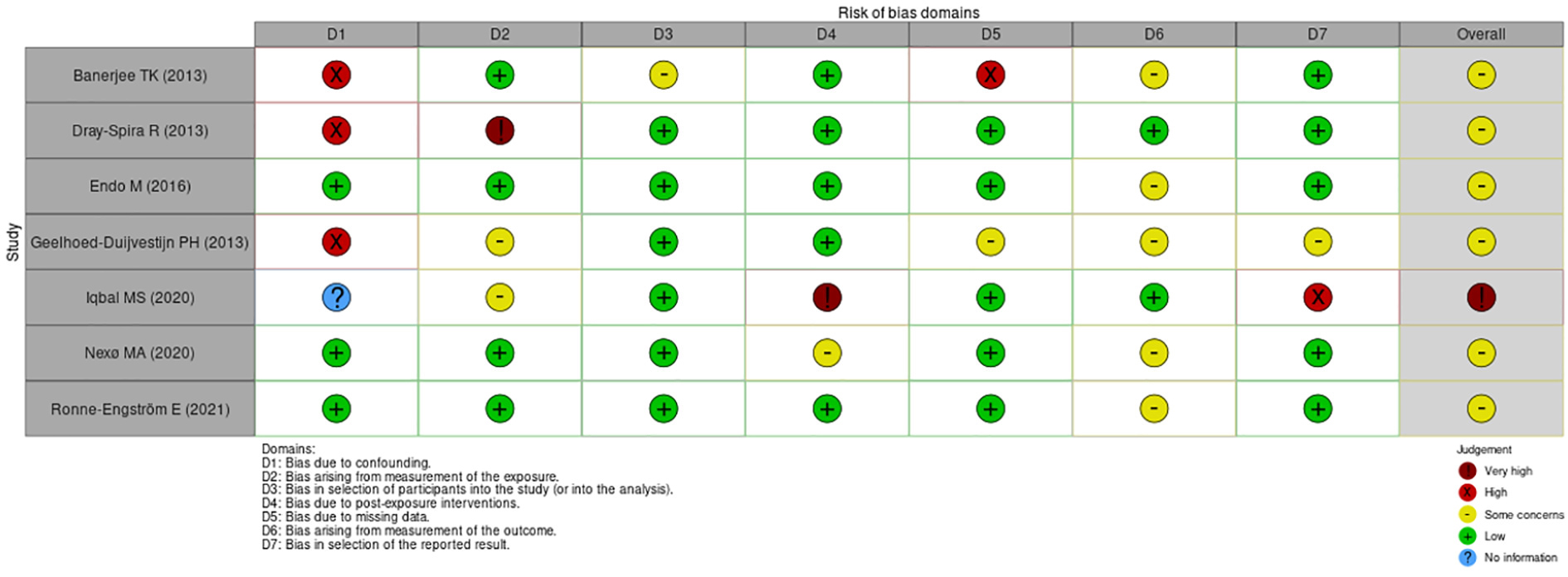
Figure 2. The risk of bias assessment for the included observational studies, conducted with the ROBINS-E tool, is shown.
Discussion
This is the first study to systematically include, analyze, and assess the indirect costs related to the significant NCDs in the leading causes of mortality globally. Our main finding shows that literature production on the indirect costs of NCDs is low. The leading cause of mortality worldwide -IHD- is directly proportional to the scientific evidence found in the search equation of this research. 11
Most of the results were in high-income countries, which highlights the need for more studies in low- and middle-income countries. Despite this, India emerges prominently in our results. This underscores the necessity for health policymakers to incorporate indirect costs, striving to narrow healthcare accessibility. 63
The most common study type used in the articles included was cross-sectional studies. Even though the studies presented moderate and high quality in the assessment of reporting and additionally moderate and low risk of bias, there is a need for increased scientific research in the pyramid of epidemiological studies to determine causality and the relationship between NCDs and productivity loss. The need to expand economic assessments will not only contribute to more informed decision-making in health. Still, it will enable better resource allocation and practical strategies to address NCDs and mitigate the growing impact on the economically active population.
Enhancing dietary fiber intakes proves pivotal to curbing economic productivity losses in battling IHD, diabetes, and stroke. Nutrition is also a key factor in preventing NCDs. Implementing focused primary care programs for NCDs, emphasizing risk management, ensures patient-centric interventions that effectively tackle and diminish indirect costs within a comprehensive framework. 41
Myocardial infarction profoundly impacts individuals’ work lives, notably increasing absenteeism, especially among women. Recommending inclusive prevention-focused healthcare initiatives and gender-specific support during recovery emerges as an effective strategy to alleviate the associated economic impact. 26
The results of this research for COPD, dementia, and lung cancer are scarce. In the first illness, days of absenteeism varied between studies, but gender and disease severity were identified as contributing factors to lost productivity. The small number of articles limits the comparison with the findings of other authors, such as Patel and others, who reported that presenteeism in the United States ranges between 27 and 63 days per year and absenteeism between 1.3 and 19.4 days. In the second disease, indirect costs exceed 50% of the total cost in Turkey, as caregiver involvement is included in the analysis. 64
Same as Pedron and others, our research suggests a negative impact of diabetes on several outcomes that indicate participation in the labor market, but the heterogeneity in the definition of indirect cost is a limitation for the visualization of the problem. Additionally, few studies differentiate between type 1 diabetes and type 2 diabetes. 65
Finally, chronic kidney disease was the only nephropathy included in the results, especially at an advanced stage with or without dialysis. The indirect cost was approximately between 6.3% and 4.18% of the total cost. The review by Tabata and others found that indirect costs can be between 22.5% and 34.7% of the total cost. 66
Variations in healthcare systems, study periods, and author definitions make comparing indirect costs of non-communicable diseases challenging. Gordois and others noted substantial annual productivity losses of $192 billion in the United States for all cardiovascular diseases. Europe (France, Germany, Italy, Spain, Sweden, and the United Kingdom) experienced a €1.4 billion ($1.6 billion) impact from absenteeism. 67
Rochmah and others conducted a systematic review of the CVD burden cost and reported total cost between $1809.51–$325,108.84, of which 13.8% corresponds to the indirect costs of cerebrovascular disease. Those findings were comparable to our results ($209,284). 24 , 68 Economic losses from COPD’s indirect costs, estimated by Patel and others amount to $893–$2,234/person annually, reflecting 27%–61% of total costs—akin to our results of a 37.5% impact. 61 , 64
The results of this research for COPD, dementia, and lung cancer are scarce despite their relationship with pollution. In the first illness, the number of days of absenteeism varied between studies, and the small number of articles limits comparison with the findings of other authors. A study by Patel and others reported that presenteeism in the United States ranges between 27 and 63 days per year and absenteeism between 1.3 and 19.4 days. 64
Similar to Pedron and others, our research suggests a negative impact of diabetes on several outcomes that indicate participation in the labor market. However, the heterogeneity in the definition of indirect cost is a limitation for the visualization of the problem. Additionally, few studies differentiate between type 1 diabetes and type 2 diabetes. 65
Finally, the financial costs of chronic kidney disease in this review were reflected by Ramachandran and others (2013), who found that caregivers in India have even more significant economic burden than patients. 31 In the systematic review by Elshahat and others, the lost productivity costs for stages 4 and 5 ($10,750-$28,428) were reported. The above is worrisome since health coverage and economic resources in India are lower, reinforcing the need for primary and secondary prevention strategies in this population as an intervention measure in the economic impact of the disease. 69
This review has some limitations, apart from the individual rules of each study. The heterogeneity in the definition of indirect costs and the different meanings and classifications of NCDs limits the interpretation of the results. In addition, not all studies covered the established age range for productive age, which may underestimate or overestimate some results. Moreover, most of the articles did not adjust for other comorbidities.
Interpreting studies that employed DALYs as a composite measure, integrating years of life lost and years of life with disability to estimate indirect costs, requires careful consideration. In this review, the studies exhibited significant variations in methodology. Age weighting may underestimate the impact of the disease on young individuals and overestimate the effect on older people. Additionally, although our review covered the period from 2012 to 2022, most studies using DALYs did not follow the recommendation of the Global Burden of Disease Project report published in 2010, which suggested avoiding weights due to the abovementioned limitations. 70 , 71
Conclusion
In conclusion, this study emphasizes the global importance of addressing NCDs’ indirect costs. It advocates multifaceted prevention strategies spanning health and workplace domains to effectively combat these diseases’ economic impact. Positioned as a resource for health decision-makers, it aids in formulating policies aligned with Sustainable Development Goals. Methodological diversity and gaps for specific NCDs pose challenges but offer future research prospects. The call for transparent, standardized methodologies in measuring indirect costs underscores the need for uniformity, enhancing study comparability and result validity.
Acknowledgment
The authors would like to thank the Pontificia Universidad Javeriana and Universidad Nacional de Colombia and the faculty members who supported the development of this project.
Authors’ Contribution
AL.C: Conceptualization, study design, data analysis, and drafting. LM.H: Study design, data analysis and reviewing the manuscript; F.PS: Conceptualization, study design, and critical reviewing; M.RC: Conceptualization, study design, drafting, and critical reviewing. All authors have read and approved the final manuscript and agree to be accountable for all aspects of the work in ensuring that questions related to the accuracy or integrity of any part of the work are appropriately investigated and resolved.
Declaration of AI
We did not use any AI tools. All analyses and reporting were performed manually by the authors using the CHEERS and ECOBIAS tools.
Conflicts of Interest
None declared.
References
- World Health Organization. World health statistics 2020: monitoring health for the SDGs, sustainable development goals. Geneva: WHO; 2020.
- Corbett S, Courtiol A, Lummaa V, Moorad J, Stearns S. The transition to modernity and chronic disease: mismatch and natural selection. Nat Rev Genet. 2018; 19:419-30. DOI | PubMed
- Hambleton IR, Caixeta R, Jeyaseelan SM, Luciani S, Hennis AJM. The rising burden of non-communicable diseases in the Americas and the impact of population aging: a secondary analysis of available data. Lancet Reg Health Am. 2023; 21:100483. Publisher Full Text | DOI | PubMed [ PMC Free Article ]
- The L. Global health: time for radical change? Lancet. 2020; 396:1129. Publisher Full Text | DOI | PubMed [ PMC Free Article ]
- Andrade CAS, Mahrouseh N, Gabrani J, Charalampous P, Cuschieri S, Grad DA, et al. Inequalities in the burden of non-communicable diseases across European countries: a systematic analysis of the Global Burden of Disease 2019 study. Int J Equity Health. 2023; 22:140. Publisher Full Text | DOI | PubMed [ PMC Free Article ]
- Bennett JE, Stevens GA, Mathers CD, Bonita R, Rehm J, Kruk ME, et al. NCD Countdown 2030: worldwide trends in non-communicable disease mortality and progress towards Sustainable Development Goal target 3.4. Lancet. 2018; 392:1072-88. DOI | PubMed
- Shu J, Jin W. Prioritizing non-communicable diseases in the post-pandemic era based on a comprehensive analysis of the GBD 2019 from 1990 to 2019. Sci Rep. 2023; 13:13325. Publisher Full Text | DOI | PubMed [ PMC Free Article ]
- Martinez R, Lloyd-Sherlock P, Soliz P, Ebrahim S, Vega E, Ordunez P, et al. Trends in premature avertable mortality from non-communicable diseases for 195 countries and territories, 1990-2017: a population-based study. Lancet Glob Health. 2020; 8:e511-e23. DOI | PubMed
- Bertram M, Banatvala N, Kulikov A, Belausteguigoitia I, Sandoval R, Hennis A, et al. Using economic evidence to support policy decisions to fund interventions for non-communicable diseases. BMJ. 2019; 365:l1648. Publisher Full Text | DOI | PubMed [ PMC Free Article ]
- Nugent R, Bertram MY, Jan S, Niessen LW, Sassi F, Jamison DT, et al. Investing in non-communicable disease prevention and management to advance the Sustainable Development Goals. Lancet. 2018; 391:2029-35. DOI | PubMed
- Vos T, Lim SS, Abbafati C, Abbas KM, Abbasi M, Abbasifard M, et al. Global burden of 369 diseases and injuries in 204 countries and territories, 1990-2019: a systematic analysis for the Global Burden of Disease Study 2019. Lancet. 2020; 396:1204-22. Publisher Full Text | DOI | PubMed [ PMC Free Article ]
- Cubillos Osorio AL, Palencia Sánchez F, Riaño Casallas M. Tendencias de la evidencia científica de las evaluaciones económicas y las enfermedades no transmisibles: un análisis bibliométrico. Revista Med. 2023; 31:59-74. DOI
- Kundu J, Chakraborty R. Socio-economic inequalities in burden of communicable and non-communicable diseases among older adults in India: Evidence from Longitudinal Ageing Study in India, 2017-18. PLoS One. 2023; 18:e0283385. Publisher Full Text | DOI | PubMed [ PMC Free Article ]
- Abegunde DO, Mathers CD, Adam T, Ortegon M, Strong K. The burden and costs of chronic diseases in low-income and middle-income countries. Lancet. 2007; 370:1929-38. DOI | PubMed
- Covidence [Internet].. Veritas Health Innovation. c2023. Available from: www.covidence.org
- Downes MJ, Brennan ML, Williams HC, Dean RS. Development of a critical appraisal tool to assess the quality of cross-sectional studies (AXIS). BMJ Open. 2016; 6:e011458. Publisher Full Text | DOI | PubMed [ PMC Free Article ]
- Cuschieri S. The STROBE guidelines. Saudi J Anaesth. 2019; 13:S31-s4. Publisher Full Text | DOI | PubMed [ PMC Free Article ]
- Higgins JPT, Morgan RL, Rooney AA, Taylor KW, Thayer KA, Silva RA, et al. A tool to assess risk of bias in non-randomized follow-up studies of exposure effects (ROBINS-E). Environ Int. 2024; 186:108602. Publisher Full Text | DOI | PubMed [ PMC Free Article ]
- Husereau D, Drummond M, Augustovski F, de Bekker-Grob E, Briggs AH, Carswell C, et al. Consolidated Health Economic Evaluation Reporting Standards 2022 (CHEERS 2022) statement: updated reporting guidance for health economic evaluations. BMC Med. 2022; 20:23. Publisher Full Text | DOI | PubMed [ PMC Free Article ]
- Adarkwah CC, van Gils PF, Hiligsmann M, Evers SM. Risk of bias in model-based economic evaluations: the ECOBIAS checklist. Expert Rev Pharmacoecon Outcomes Res. 2016; 16:513-23. DOI | PubMed
- Ford ES, Murphy LB, Khavjou O, Giles WH, Holt JB, Croft JB. Total and state-specific medical and absenteeism costs of COPD among adults aged ≥ 18 years in the United States for 2010 and projections through 2020. Chest. 2015; 147:31-45. DOI | PubMed
- Jiang Y, Hesser JE. Using disability-adjusted life years to assess the burden of disease and injury in Rhode Island. Public Health Rep. 2012; 127:293-303. Publisher Full Text | DOI | PubMed [ PMC Free Article ]
- McGrath R, Al Snih S, Markides K, Hall O, Peterson M. The burden of health conditions for middle-aged and older adults in the United States: disability-adjusted life years. BMC Geriatr. 2019; 19:100. Publisher Full Text | DOI | PubMed [ PMC Free Article ]
- Vuong TD, Wei F, Beverly CJ. Absenteeism due to Functional Limitations Caused by Seven Common Chronic Diseases in US Workers. J Occup Environ Med. 2015; 57:779-84. Publisher Full Text | DOI | PubMed [ PMC Free Article ]
- Ronne-Engström E, Alexanderson K, Friberg E. Sickness absence, disability pension and economic situation after a spontaneous subarachnoid haemorrhage among people of working age: a Swedish longitudinal nationwide cohort study. BMJ Open. 2021; 11:e040941. Publisher Full Text | DOI | PubMed [ PMC Free Article ]
- Voss M, Ivert T, Pehrsson K, Hammar N, Alexanderson K, Nilsson T, et al. Sickness absence following coronary revascularisation. A national study of women and men of working age in Sweden 1994-2006. PLoS One. 2012; 7:e40952. Publisher Full Text | DOI | PubMed [ PMC Free Article ]
- Endo M, Sairenchi T, Kojimahara N, Haruyama Y, Sato Y, Kato R, et al. Sickness absence and return to work among Japanese stroke survivors: a 365-day cohort study. BMJ Open. 2016; 6:e009682. Publisher Full Text | DOI | PubMed [ PMC Free Article ]
- Kimura K, Nagata T, Ohtani M, Nagata M, Kajiki S, Fujino Y, et al. Cardiovascular and cerebrovascular diseases risk associated with the incidence of presenteeism and the costs of presenteeism. J Occup Health. 2020; 62:e12167. Publisher Full Text | DOI | PubMed [ PMC Free Article ]
- Mori T, Nagata T, Nagata M, Fujimoto K, Fujino Y, Mori K. Diabetes severity measured by treatment control status and number of anti-diabetic drugs affects presenteeism among workers with type 2 diabetes. BMC Public Health. 2021; 21:1865. Publisher Full Text | DOI | PubMed [ PMC Free Article ]
- Banerjee TK, Dutta S, Ray BK, Ghosal M, Hazra A, Chaudhuri A, et al. Disease burden of stroke in Kolkata, India: derivation of disability-adjusted life years by a direct method. Neuroepidemiology. 2013; 41:88-93. DOI | PubMed
- Ramachandran R, Jha V. Kidney transplantation is associated with catastrophic out of pocket expenditure in India. PLoS One. 2013; 8:e67812. Publisher Full Text | DOI | PubMed [ PMC Free Article ]
- Sudharsanan N, Deshmukh M, Kalkonde Y. Direct estimates of disability-adjusted life years lost due to stroke : a cross-sectional observational study in a demographic surveillance site in rural Gadchiroli, India. BMJ Open. 2019; 9:e028695. Publisher Full Text | DOI | PubMed [ PMC Free Article ]
- Valsa Jose J, Susan George J, Joseph R, Arun Thomas ET, Philip John G. Out-of-pocket expenditures, catastrophic household finances, and quality of life among hemodialysis patients in Kerala, India. Hemodial Int. 2022; 26:569-74. DOI | PubMed
- Martínez-Betancur O, Quintero-Cusguen P, Mayor-Agredo L. Estimating disability-adjusted life-years for subtypes of acute ischemic stroke. Rev Salud Publica (Bogota). 2016; 18:226-37. DOI | PubMed
- Adeniji F. Burden of out-of-pocket payments among patients with cardiovascular disease in public and private hospitals in Ibadan, South West, Nigeria: a cross-sectional study. BMJ Open. 2021; 11:e044044. Publisher Full Text | DOI | PubMed [ PMC Free Article ]
- Aoun M, Helou E, Sleilaty G, Zeenny RM, Chelala D. Cost of illness of chronic kidney disease in Lebanon: from the societal and third-party payer perspectives. BMC Health Serv Res. 2022; 22:586. Publisher Full Text | DOI | PubMed [ PMC Free Article ]
- Catalá-López F, Fernández de Larrea-Baz N, Morant-Ginestar C, Álvarez-Martín E, Díaz-Guzmán J, Gènova-Maleras R. The national burden of cerebrovascular diseases in Spain: a population-based study using disability-adjusted life years. Med Clin (Barc). 2015; 144:353-9. DOI | PubMed
- Chen CY, Huang YB, Tzu-Chi Lee C. Epidemiology and disease burden of ischemic stroke in Taiwan. Int J Neurosci. 2013; 123:724-31. DOI | PubMed
- Dierick BJH, Flokstra-de Blok BMJ, van der Molen T, Toledo-Pons N, Román-Rodríguez M, Cosío BG, et al. Work absence in patients with asthma and/or COPD: a population-based study. NPJ Prim Care Respir Med. 2021; 31:9. Publisher Full Text | DOI | PubMed [ PMC Free Article ]
- Dray-Spira R, Herquelot E, Bonenfant S, Guéguen A, Melchior M. Impact of diabetes mellitus onset on sickness absence from work--a 15-year follow-up of the GAZEL Occupational Cohort Study. Diabet Med. 2013; 30:549-56. DOI | PubMed
- Fayet-Moore F, George A, Cassettari T, Yulin L, Tuck K, Pezzullo L. Healthcare Expenditure and Productivity Cost Savings from Reductions in Cardiovascular Disease and Type 2 Diabetes Associated with Increased Intake of Cereal Fibre among Australian Adults: A Cost of Illness Analysis. Nutrients. 2018; 10Publisher Full Text | DOI | PubMed [ PMC Free Article ]
- Fernández de Larrea-Baz N, Morant-Ginestar C, Catalá-López F, Gènova-Maleras R, Álvarez-Martín E. Disability-adjusted Life Years Lost to Ischemic Heart Disease in Spain. Rev Esp Cardiol (Engl Ed). 2015; 68:968-75. DOI | PubMed
- Finkelstein EA, Malkin JD, Baid D, Alqunaibet A, Mahdi K, Al-Thani MBH, et al. The impact of seven major noncommunicable diseases on direct medical costs, absenteeism, and presenteeism in Gulf Cooperation Council countries. J Med Econ. 2021; 24:828-34. DOI | PubMed
- Frederix I, Vandijck D, Hens N, De Sutter J, Dendale P. Economic and social impact of increased cardiac rehabilitation uptake and cardiac telerehabilitation in Belgium - a cost-benefit analysis. Acta Cardiol. 2018; 73:222-9. DOI | PubMed
- Geelhoed-Duijvestijn PH, Pedersen-Bjergaard U, Weitgasser R, Lahtela J, Jensen MM, Östenson CG. Effects of patient-reported non-severe hypoglycemia on healthcare resource use, work-time loss, and wellbeing in insulin-treated patients with diabetes in seven European countries. J Med Econ. 2013; 16:1453-61. DOI | PubMed
- Gènova-Maleras R, Álvarez-Martín E, Morant-Ginestar C, Fernández de Larrea-Baz N, Catalá-López F. Measuring the burden of disease and injury in Spain using disability-adjusted life years: an updated and policy-oriented overview. Public Health. 2012; 126:1024-31. DOI | PubMed
- Grisales-Romero H, González D, Porras S. Disability-Adjusted Life Years Due to Mental Disorders and Diseases of the Nervous System in the Population of Medellin, 2006-2012. Rev Colomb Psiquiatr (Engl Ed). 2020; 49:29-38. DOI | PubMed
- Guariguata L, de Beer I, Hough R, Bindels E, Weimers-Maasdorp D, Feeley FG, et al. Diabetes, HIV and other health determinants associated with absenteeism among formal sector workers in Namibia. BMC Public Health. 2012; 12:44. Publisher Full Text | DOI | PubMed [ PMC Free Article ]
- Henriques A, Araújo C, Viana M, Laszczynska O, Pereira M, Bennett K, et al. Disability-adjusted life years lost due to ischemic heart disease in mainland Portugal, 2013. Rev Port Cardiol. 2017; 36:273-81. DOI | PubMed
- Iqbal M, Al-Saikhan F. Out-of-pocket healthcare costs of COPD exacerbation episodes: a hidden cost and growing strain on family budgets. J Pharm Res Int. 2020; 32:42-8. DOI
- Cicin I, Oksuz E, Karadurmus N, Malhan S, Gumus M, Yilmaz U, et al. Economic burden of lung cancer in Turkey: a cost of illness study from payer perspective. Health Econ Rev. 2021; 11:22. Publisher Full Text | DOI | PubMed [ PMC Free Article ]
- Malinowski KP, Kawalec PP, Moćko P. Indirect costs of absenteeism due to rheumatoid arthritis, psoriasis, multiple sclerosis, insulin-dependent diabetes mellitus, and ulcerative colitis in 2012: a study based on real-life data from the Social Insurance Institution in Poland. Expert Rev Pharmacoecon Outcomes Res. 2016; 16:295-303. DOI | PubMed
- Maredza M, Bertram MY, Tollman SM. Disease burden of stroke in rural South Africa: an estimate of incidence, mortality and disability adjusted life years. BMC Neurol. 2015; 15:54. Publisher Full Text | DOI | PubMed [ PMC Free Article ]
- Marthias T, Anindya K, Ng N, McPake B, Atun R, Arfyanto H, et al. Impact of non-communicable disease multimorbidity on health service use, catastrophic health expenditure and productivity loss in Indonesia: a population-based panel data analysis study. BMJ Open. 2021; 11:e041870. Publisher Full Text | DOI | PubMed [ PMC Free Article ]
- Najafi F, Karami-Matin B, Rezaei S, Khosravi A, Soofi M. Productivity costs and years of potential life lost associated with five leading causes of death: Evidence from Iran (2006-2010). Med J Islam Repub Iran. 2016; 30:412. Publisher Full Text | PubMed [ PMC Free Article ]
- Nexø MA, Pedersen J, Cleal B, Bjorner JB. Increased risk of long-term sickness absence, lower rate of return to work and higher risk of disability pension among people with type 1 and type 2 diabetes mellitus: a Danish retrospective cohort study with up to 17 years’ follow-up. Diabet Med. 2020; 37:1861-5. DOI | PubMed
- Ngeugoue FT, Njoumemi Z, Kaze FF. Monthly direct and indirect costs of management of CKD 3 - 5 non-dialysis patients in an out-of-pocket expenditure system: The Case of Yaoundé. Clin Nephrol. 2020; 93:100-2. DOI | PubMed
- Nhung NT, Long TK, Linh BN, Vos T, Huong NT, Anh ND. Estimation of Vietnam national burden of disease 2008. Asia Pac J Public Health. 2014; 26:527-35. DOI | PubMed
- Paalanen L, Reinikainen J, Härkänen T, Mattila T, Laatikainen T, Jousilahti P, et al. Comparing data sources in estimating disability-adjusted life years (DALYs) for ischemic heart disease and chronic obstructive pulmonary disease in a cross-sectional setting in Finland. Arch Public Health. 2020; 78:58. Publisher Full Text | DOI | PubMed [ PMC Free Article ]
- Rizk R, Hiligsmann M, Karavetian M, Salameh P, Evers SM. A societal cost-of-illness study of hemodialysis in Lebanon. J Med Econ. 2016; 19:1157-66. DOI | PubMed
- Souliotis K, Kousoulakou H, Hillas G, Tzanakis N, Toumbis M, Vassilakopoulos T. The direct and indirect costs of managing chronic obstructive pulmonary disease in Greece. Int J Chron Obstruct Pulmon Dis. 2017; 12:1395-400. Publisher Full Text | DOI | PubMed [ PMC Free Article ]
- Zaghloul H, Omar O, Pallayova M, Choudhury S, Taheri S. Factors Associated With Presenteeism at Work in Type 2 Diabetes Mellitus. J Occup Environ Med. 2018; 60:1116-9. DOI | PubMed
- World Bank [Internet].. World Bank country and lending groups. Washington (DC): World Bank Group; 2025 [cited 2023]. Available from: https://datahelpdesk.worldbank.org/knowledgebase/articles/906519-world-bank-country-and-lending-groups
- Patel JG, Nagar SP, Dalal AA. Indirect costs in chronic obstructive pulmonary disease: a review of the economic burden on employers and individuals in the United States. Int J Chron Obstruct Pulmon Dis. 2014; 9:289-300. Publisher Full Text | DOI | PubMed [ PMC Free Article ]
- Pedron S, Emmert-Fees K, Laxy M, Schwettmann L. The impact of diabetes on labour market participation: a systematic review of results and methods. BMC Public Health. 2019; 19:25. Publisher Full Text | DOI | PubMed [ PMC Free Article ]
- Tabata A, Yabe H, Katogi T, Yamaguchi T, Mitake Y, Shirai T, et al. Investigation of presenteeism, physical function, and exercise habits in workers with CKD: three case reports with literature review. Ren Replace Ther. 2022; 8:16. Publisher Full Text | DOI | PubMed [ PMC Free Article ]
- Gordois AL, Toth PP, Quek RG, Proudfoot EM, Paoli CJ, Gandra SR. Productivity losses associated with cardiovascular disease: a systematic review. Expert Rev Pharmacoecon Outcomes Res. 2016; 16:759-69. DOI | PubMed
- Rochmah TN, Rahmawati IT, Dahlui M, Budiarto W, Bilqis N. Economic Burden of Stroke Disease: A Systematic Review. Int J Environ Res Public Health. 2021; 18Publisher Full Text | DOI | PubMed [ PMC Free Article ]
- Elshahat S, Cockwell P, Maxwell AP, Griffin M, O’Brien T, O’Neill C. The impact of chronic kidney disease on developed countries from a health economics perspective: A systematic scoping review. PLoS One. 2020; 15:e0230512. Publisher Full Text | DOI | PubMed [ PMC Free Article ]
- Nord E. Disability weights in the Global Burden of Disease 2010: unclear meaning and overstatement of international agreement. Health Policy. 2013; 111:99-104. DOI | PubMed
- Egunsola O, Raubenheimer J, Buckley N. Variability in the burden of disease estimates with or without age weighting and discounting: a methodological study. BMJ Open. 2019; 9:e027825. Publisher Full Text | DOI | PubMed [ PMC Free Article ]


