
What’s Known
Family with sequence similarity 19 member A5 (FAM19A5) was initially proposed as an adipokine with anti-atherogenic effects, but recent studies show minimal adipose expression and suggest it increases in response to vascular stress. Lipid-based indices such as low-density lipoprotein/apolipoprotein B (LDL/ApoB) ratio and Castelli indices are established predictors of atherogenic risk, yet their correlation with FAM19A5 remains unclear.
What’s New
This study is the first to demonstrate a strong positive correlation between circulating FAM19A5 and LDL/ApoB ratio in diet-induced obese rats, indicating a link to ApoB-related atherogenesis. Findings support emerging evidence that FAM19A5 is not a protective adipokine but a potential reactive marker of vascular stress and early atherogenic remodeling.
Introduction
Obesity is a chronic metabolic disorder characterized by excessive accumulation of adipose tissue, leading to systemic dysregulation of lipid and inflammatory pathways. This condition is closely associated with insulin resistance, oxidative stress, and endothelial dysfunction, all of which contribute to the early stages of atherosclerosis. In both human and experimental models, obesity induces an imbalance in lipid metabolism that is characterized by elevated total cholesterol, triglycerides, and low-density lipoprotein (LDL) levels, along with decreased high-density lipoprotein (HDL), thereby promoting lipid deposition within arterial walls. Over time, these changes initiate vascular inflammation, smooth muscle proliferation, and plaque formation, thereby forming the pathophysiological continuum between metabolic syndrome and cardiovascular disease.1, 2
In experimental studies, high-fat and high-cholesterol diets have been widely used to model these pathophysiological mechanisms in Rattus norvegicus. Kelle and colleagues demonstrated that lipid-rich diets significantly increase total cholesterol and LDL-C levels while reducing HDL-C, resulting in a marked rise in the atherogenic index.3 The atherogenic index and related lipid ratios, such as the Castelli Risk Index I (total cholesterol/HDL), Castelli Risk Index II (LDL/HDL), and LDL/ApoB ratio, are widely used as reliable indicators of the balance between atherogenic and anti-atherogenic lipoproteins. These indices are widely recognized as simple yet powerful predictors of cardiovascular risk, both in human populations and in diet-induced obese animal models.4, 5
Among these, the LDL/ApoB ratio reflects the amount of cholesterol carried per ApoB-containing lipoprotein particle, reflecting LDL particle size and atherogenicity. A lower LDL/ApoB ratio indicates a predominance of small, dense LDL particles that are more susceptible to oxidation and uptake by macrophages, leading to foam cell formation and plaque progression. Conversely, higher LDL/ApoB ratios generally suggest larger, less atherogenic LDL particles. However, the exact pattern may vary depending on metabolic status and adipokine balance, warranting deeper exploration in the context of obesity-associated atherogenesis.6-9
Adipokines play a central role in linking adipose tissue dysfunction to vascular pathology. Adiponectin, one of the best-characterized adipokines, exhibits anti-inflammatory and anti-atherogenic effects. In human studies, Efrida and colleagues found that adiponectin levels were negatively correlated with Castelli Risk Index II (r=–0.502; P<0.001) among individuals with vitamin D deficiency and elevated cardiovascular risk, emphasizing the significance of lipid ratios as markers of plasma atherogenicity.5 However, not all adipokines share this protective function. FAM19A5, once proposed as an adipocyte-derived protective factor, has recently been reclassified as a neurokine rather than a true adipokine.10-13
Kwak and colleagues provided compelling evidence that FAM19A5 expression in adipose tissue is negligible and that its protein levels are below detectable limits, in contrast to high expression in the central nervous system. Moreover, FAM19A5 does not interact with sphingosine-1-phosphate receptor 2 (S1PR2) and therefore lacks the vascular signaling activity previously attributed to it. These findings suggest that circulating FAM19A5 may reflect vascular injury or metabolic stress rather than adipose-derived protection. In this regard, its correlation with atherogenic indices could reveal whether FAM19A5 is associated with vascular injury as a compensatory response or with atherogenic progression.10-12, 14, 15
Therefore, this study aimed to investigate the correlation between circulating FAM19A5 levels and lipid-based atherogenic indices, including LDL/ApoB ratio, Castelli Risk Index I, Castelli Risk Index II, and HDL-based atherogenic index in a diet-induced obese rat model. We hypothesized that circulating FAM19A5 levels would show a positive correlation with atherogenic indices, suggesting that FAM19A5 may reflect obesity-associated atherosclerosis changes rather than exerting a protective adipokine function.
To date, the biological role of FAM19A5 in metabolic and vascular disorders remains controversial. While an earlier study proposed FAM19A5 as a protective adipokine, recent evidence suggests a more complex role related to vascular stress responses.11 The present study provides novel insight by demonstrating a significant association between circulating FAM19A5 and the LDL/ApoB ratio, a marker of ApoB-containing lipoprotein remodeling, in a diet-induced obesity model. This finding suggests that FAM19A5 reflects early atherogenic lipid alterations rather than exerting direct protective metabolic effects.
Materials and Methods
Research Design and Experimental Animals
The study was conducted in 2024 at the Laboratory of Universitas Baiturrahmah and Universitas Andalas, located in Padang, Indonesia. This research was conducted as an in vivo experimental study using a post-test-only control group design. A total of fourteen male Rattus norvegicus (Sprague–Dawley strain) were randomly assigned to two groups (n=7 per group): a control group receiving the standard AIN-93 diet, and an obesity model group receiving a high-fat and high-fructose (HFHF) diet for twelve weeks (figure 1).
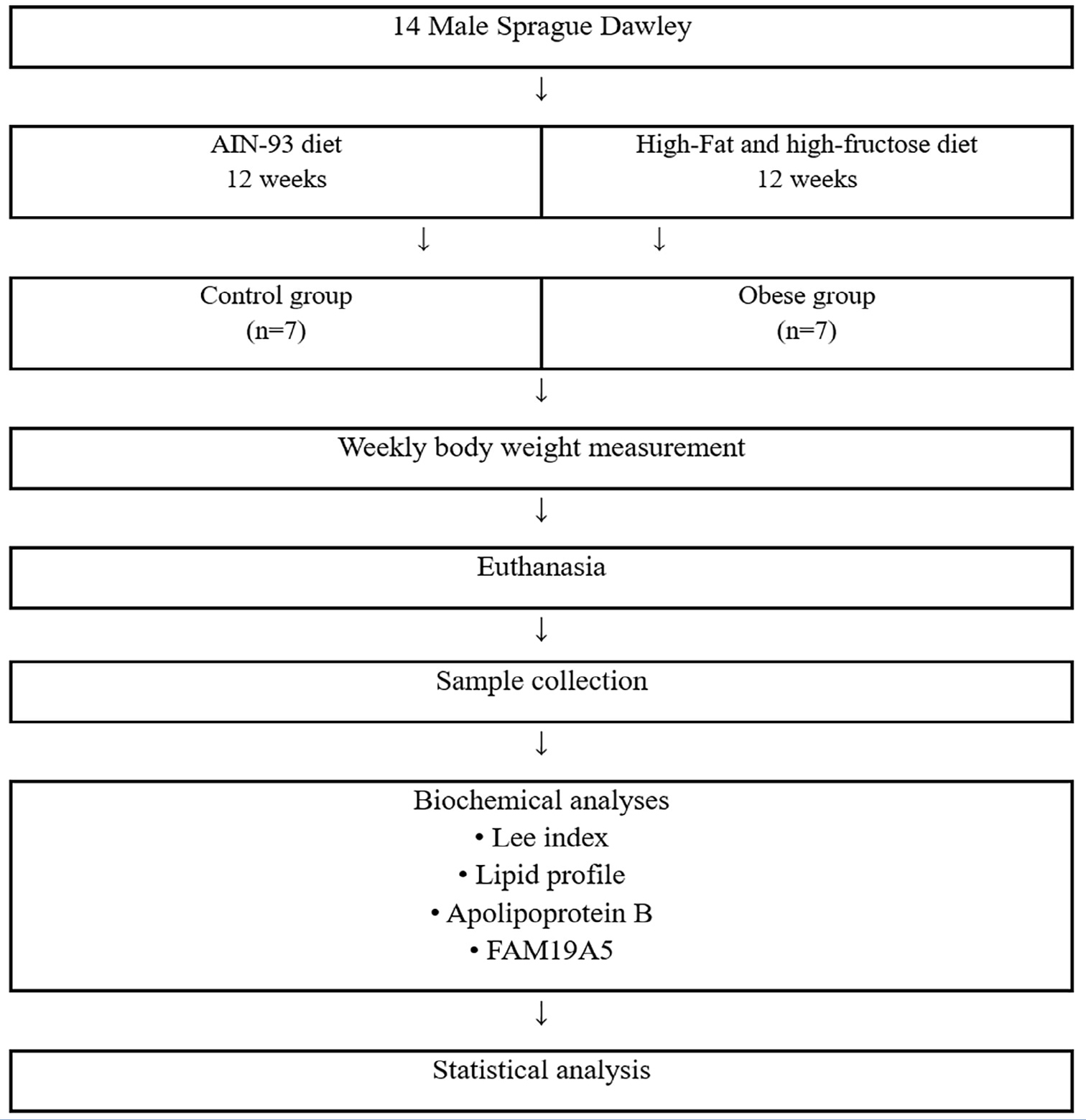
Figure 1.A schematic diagram illustrating the experimental study design is presented. AIN-93: American Institute of Nutrition-93; FAM19A5: Family with sequence similarity 19 member A5
Fourteen male Sprague Dawley rats were randomly assigned to a control group receiving an AIN-93 diet and an obese group receiving an HFHF diet for 12 weeks. Body weight was measured weekly, followed by euthanasia, sample collection, and biochemical analyses. The HFHF diet was formulated as a modification of the Western diet by supplementing with solid fructose (100 g/Kg) and trans-fat (200 g/Kg), according to the composition described by Ble-Castillo and colleagues. The Western diet is known to accelerate the development of atherosclerosis in rodents, as it mimics the typical dietary pattern of Western populations, consisting of approximately 21% fat and 0.15% cholesterol.16, 17 High-fat diets (HFDs), including the Western diet, have been extensively reported to induce obesity in Sprague–Dawley rats in numerous studies.18, 19 The control group in this study was maintained on the standard AIN-93 diet. Proximate analysis of the HFHF diet showed a crude fat content of 10.42%, compared to 2.13% in the AIN-93 control diet. The composition of the diets provided to the control and obesity model groups is presented in table 1.
| Ingredients | AIN-93 diet | HFHF diet |
|---|---|---|
| 1 Kg | 1 Kg | |
| Cornstarch | 619.4 | 419.4 |
| Casein | 140 | 140 |
| Sucrose | 100 | - |
| Corn oil | 40 | 40 |
| Alpha cellulose | 50 | 50 |
| Mineral mix | 35 | 35 |
| Vitamin mix | 10 | 10 |
| DL-methionine | 3 | 3 |
| Choline chloride | 2.5 | 2.5 |
| Fructose | - | 100 |
| Trans oil | - | 200 |
| AIN-93: American institute of nutrition-93; HFHF: High-fat and high-fructose | ||
All rats were acclimatized for one week before the intervention. The control group received the AIN-93 diet for twelve weeks, while the obesity model group was fed the HFHF diet for the same duration to induce obesity. Body weight was recorded weekly throughout the study period. Obesity status was assessed using the Lee index, calculated as the cube root of body weight (g) divided by the naso–anal length (mm). Rats with a Lee index value greater than 300 were classified as obese, as previously validated in experimental rodent models.20
At the end of the twelfth week, rats were euthanized under anesthesia. Initial anesthesia was induced using inhalational ether, followed by deep anesthesia with ketamine (75–100 mg/Kg, intraperitoneally). Death was confirmed prior to tissue collection. All procedures were performed in accordance with institutional guidelines and international standards for the care and use of laboratory animals.
Ethical Statement
All experimental procedures involving animals were reviewed and approved by the Research Ethics Committee of the Faculty of Medicine, Universitas Andalas, Indonesia (Approval No: 435/UN.16.2/KEP-FK/2024), dated August 14, 2024. The procedures were conducted in accordance with institutional guidelines and international standards for the care and use of laboratory animals.21
Biochemical Analysis
Blood samples were collected via cardiac puncture, allowed to clot, and centrifuged at 3000 rpm for 10 minutes to obtain serum. Serum levels of total cholesterol (TC), triglycerides (TG), high-density lipoprotein cholesterol (HDL-C), and low-density lipoprotein cholesterol (LDL-C) were analyzed using enzymatic colorimetric methods (DiaSys® Diagnostics, Germany). Apolipoprotein B (ApoB) was quantified using a rat-specific ELISA kit (MyBioSource®, USA). Circulating FAM19A5 concentrations were determined using a rat FAM19A5 ELISA kit (BT Lab E3485Ra, China), following the manufacturer’s instructions. All assays were performed in duplicate, and mean values were used for statistical analysis.
Calculation of Atherogenic Indices
Derived atherogenic indices were calculated using the following formulas:
- Castelli Risk Index I (CRI-I)=Total cholesterol/HDL-C
- Castelli Risk Index II (CRI-II)=LDL-C / HDL-C
- LDL/ApoB ratio=LDL-C (mg/dL)/ApoB (mg/dL)
- HDL-based atherogenic index=(Total cholesterol -HDL)/HDL
Statistical Analysis
Statistical analyses were performed using IBM SPSS Statistics (version 25, IBM Corp., USA), with a significance level set at P<0.05. Data were expressed as mean±SD. Normality was evaluated using the Shapiro–Wilk test. Intergroup comparisons were performed using the independent t test for normally distributed variables or the Mann–Whitney U test for non-parametric data. Spearman’s correlation analysis was used to assess the correlation between circulating FAM19A5 and each atherogenic index (LDL/ApoB ratio, CRI-I, CRI-II, HDL-based atherogenic index).
Results
All seven rats in the HFHF group showed significant weight gain compared to the control group after 12 weeks of treatment. The Lee index value of all rats in the obesity group was above 300, indicating a morphometric obesity status. No deaths or treatment-related complications were found during the period of dietary induction. Comparative analysis between the control and obesity groups is presented in table 2.
| Variable | Control | Obese | P value |
|---|---|---|---|
| Initial body weight (g) | 221.57±23.11 | 261.71±12.98 | 0.007 |
| Final body weight (g) | 249.29±12.46 | 299.14±17.66 | 0.002 |
| FAM19A5 (ng/mL) | 0.94±0.11 | 1.00±0.25 | 0.574 |
| ApoB (mg/dL) | 22.53±1.64 | 22.09±4.11 | 0.814 |
| LDL/ApoB ratio | 3.10±0.28 | 2.95±0.77 | 0.669 |
| Castelli Risk Index I | 1.30±0.10 | 1.94±0.13 | <0.001 |
| Castelli Risk Index II | 0.85±0.13 | 1.21±0.08 | <0.001 |
| HDL-based atherogenic index | 0.29±0.11 | 0.93±0.14 | <0.001 |
| Data are presented as mean±SD. Comparisons between groups were performed using the independent samples t test or Mann–Whitney U test as appropriate. A P value <0.05 was considered statistically significant. LDL: Low-density lipoprotein; HDL: High-density lipoprotein; ApoB: Apolipoprotein B; FAM19A5: Family with sequence similarity 19 member A5 | |||
Initial and final body weights were significantly higher in the obese group compared with controls (table 2). Table 2 summarizes the comparison of serum FAM19A5, lipid parameters, and derived atherogenic indices between control and obese rats. The mean serum FAM19A5 level was slightly higher in the obese group than in the control group; however, this difference was not statistically significant. Similarly, no significant differences were observed in serum ApoB levels or the LDL/ApoB ratio between groups.
In contrast, lipid-derived risk indices exhibited marked alterations. The obese group showed significantly higher Castelli Risk Index I (1.94±0.13 vs. 1.30±0.10; P<0.001) and Castelli Risk Index II (1.21±0.08 vs. 0.85±0.13; P<0.001) compared with controls. Likewise, the HDL-based atherogenic index increased significantly in the obese group (P<0.001). These findings suggest an overall shift toward an atherogenic lipid profile in the HFHF-fed rats, despite the absence of significant changes in ApoB or FAM19A5 concentrations.
Spearman correlation analysis showed a strong and significant positive correlation between circulating FAM19A5 levels and the LDL/ApoB ratio. In contrast, correlations between FAM19A5 and other atherogenic indices such as Castelli Risk Index I, Castelli Risk Index II, and HDL-based Atherogenic Index were weak and statistically non-significant (Table 3).
| Correlation | r (Spearman) | P value |
|---|---|---|
| FAM19A5 with LDL/ApoB ratio | 0.734 | 0.025 |
| FAM19A5 with CRI I | 0.127 | 0.666 |
| FAM19A5 with CRI II | 0.369 | 0.195 |
| FAM19A5 with HDL-based Atherogenic Index | 0.127 | 0.666 |
| Spearman’s rank correlation test was used. Statistical significance was set at P<0.05. LDL: Low-density lipoprotein; HDL: High-density lipoprotein; ApoB: Apolipoprotein B; FAM19A5: Family with sequence similarity 19 member A5; CRI: Castelli Risk Index | ||
A significant positive correlation was observed between circulating FAM19A5 levels and the LDL/ApoB ratio, indicating that higher FAM19A5 concentrations were associated with higher LDL/ApoB ratio. The scatter plot demonstrated this positive correlation (figure 2).
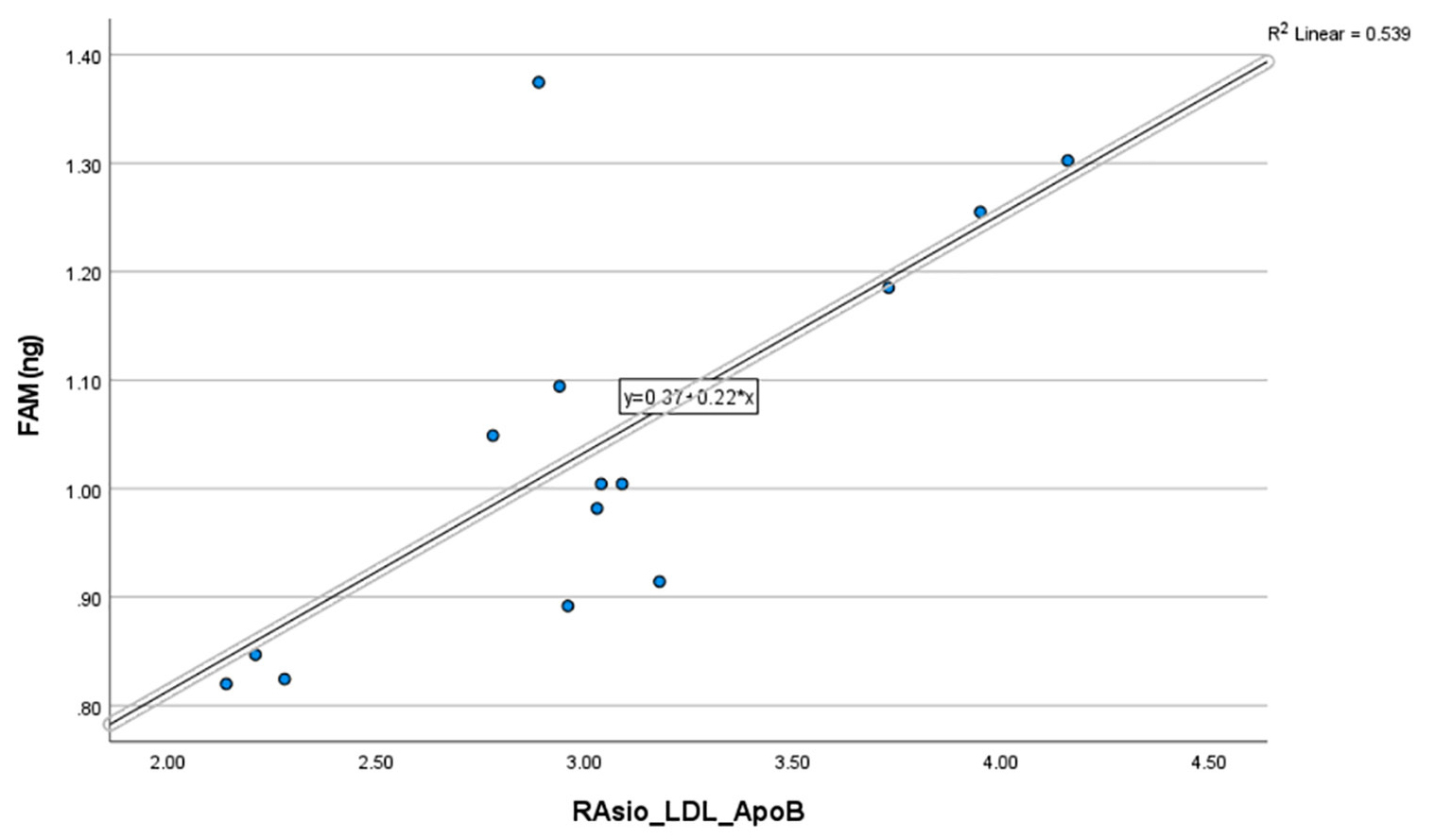
Figure 2.The correlation between circulating FAM19A5 and LDL/ApoB ratio is shown. FAM19A5: Family with sequence similarity 19 member A5; LDL: Low density lipoprotein; ApoB: Apolipoprotein B
Discussion
The present study successfully established a rat model of obesity through 12 weeks of an HFHF diet. All animals in the HFHF group achieved a Lee index above 300, confirming the presence of morphometric obesity. This finding is consistent with previous studies reporting that a combination of fat and fructose supplementation effectively induces obesity and metabolic alterations resembling features of human metabolic syndrome.17 The absence of mortality or complications during the induction period also indicates that the HFHF protocol used was well tolerated and suitable for long-term metabolic studies.
The significant increase in body weight and Lee index in the obese group demonstrates that the dietary intervention successfully promoted adiposity. Chronic exposure to high-fat and fructose intake leads to excessive caloric intake, insulin resistance, and lipid dysregulation. These changes trigger increased hepatic lipogenesis and accumulation of triglycerides, resulting in higher atherogenic lipid fractions. Consistent with this, the present study found marked elevations in Castelli Risk Index I, Castelli Risk Index II, and the HDL-based atherogenic index, all of which reflect an imbalance in lipid metabolism and an increased cardiovascular risk profile in obese rats.
Interestingly, while atherogenic indices were significantly elevated, serum ApoB and FAM19A5 levels did not differ significantly between groups. This suggests that in the early phase of diet-induced obesity, structural and functional alterations in lipid metabolism may precede measurable increases in circulating ApoB or FAM19A5. ApoB concentration mainly reflects the number of atherogenic lipoprotein particles, and prolonged dyslipidemia is usually required to elicit substantial changes.7, 8, 22 The modest but non-significant rise in FAM19A5 concentration in obese rats may represent an early adaptive metabolic response rather than a direct indicator of adiposity.
Collectively, these findings suggest that a 12-week HFHF regimen is sufficient to induce morphometric and biochemical features of obesity, including a significant shift toward an atherogenic lipid profile. This supports previous reports that the HFHF diet mimics the human Western dietary pattern and promotes early features of vascular risk without the need for chemical inducers. The model is therefore appropriate for further exploration of molecular mediators such as FAM19A5 in obesity-related vascular dysfunction.
The correlation analysis in this study revealed a strong positive association between circulating FAM19A5 levels and the LDL/ApoB ratio. From a mechanistic perspective, this finding suggests that circulating FAM19A5 may be associated with lipoprotein particle remodeling rather than absolute lipid concentration. The LDL/ApoB ratio reflects changes in ApoB-containing lipoprotein characteristics, particularly the transition toward smaller, denser LDL particles, which are generally considered to possess greater atherogenic potential and enhanced arterial wall penetration.
Importantly, the observed association indicates that increased circulating FAM19A5 may arise in parallel with early structural alterations of atherogenic lipoproteins, rather than functioning as a protective adipokine. This interpretation is supported by the absence of significant differences in ApoB concentration between groups, suggesting that qualitative changes in lipoprotein particles precede quantitative increases in ApoB during early diet-induced obesity.
Previous reports have described FAM19A5 as a neurokine-like protein expressed in the brain and vascular smooth muscle, with proposed anti-proliferative and anti-inflammatory roles.11, 15 However, more recent evidence has shifted this paradigm. Kwak and colleagues demonstrated that FAM19A5 expression did not confer vascular protection but was instead elevated in response to dyslipidemia and vascular inflammation.10 The present findings are consistent with those observations, as the positive FAM19A5–LDL/ApoB correlation supports the hypothesis that FAM19A5 is a marker of atherogenic progression rather than an adipokine with atheroprotective activity.
A plausible biological mechanism underlying this correlation involves lipid-induced oxidative stress and inflammatory signaling within the vascular wall, which may trigger compensatory upregulation of FAM19A5 in non-adipose tissues such as vascular smooth muscle or endothelial cells. This notion is further strengthened by the absence of detectable FAM19A5 mRNA expression in adipose tissue in the present model, indicating that circulating FAM19A5 is unlikely to function as a classical adipokine.23
In contrast, no significant correlations were observed between FAM19A5 and other atherogenic indices such as Castelli Risk Index I, Castelli Risk Index II, or the HDL-based atherogenic index (P>0.05). This pattern reinforces the notion that FAM19A5 is more specifically associated with ApoB-containing lipoprotein metabolism rather than overall cholesterol or HDL balance. Together, these findings suggest that FAM19A5 may behave as a vascular stress-associated molecule, whose elevation parallels the progression of atherogenic lipid changes induced by HFHF diet–related obesity.
Taken together, these findings suggest that circulating FAM19A5 may act as a vascular stress-associated biomarker, reflecting early atherogenic lipid remodeling in obesity rather than exerting direct metabolic or anti-atherogenic effects. This interpretation aligns with recent literature and highlights the importance of considering FAM19A5 within the context of ApoB-driven atherogenesis and vascular adaptation in diet-induced obesity models. It aligns with the recent evidence by Kwak and colleagues (2024), which demonstrated that FAM19A5 expression increases under dyslipidemic and proinflammatory conditions but does not prevent vascular injury.10
The results of this study, therefore, support the emerging hypothesis that FAM19A5 may not function primarily as an anti-atherogenic factor but rather as a reactive molecule upregulated in response to lipid-induced endothelial stress. The observed pattern supports the notion that early vascular dysfunction in obesity involves both metabolic and paracrine signaling components beyond traditional adipokines. Further studies are warranted to explore the cellular source of FAM19A5 and its downstream signaling pathways in vascular tissues, particularly in relation to ApoB-containing lipoproteins, oxidative stress markers, and inflammatory mediators such as TNF-α and IL-6. Although direct clinical application of FAM19A5 cannot be inferred from this study, the findings have potential translational relevance by highlighting FAM19A5 as a potential indicator of early vascular stress and lipoprotein remodeling. Understanding this pathway may contribute to future clinical studies exploring biomarkers of obesity-related atherogenic risk.
Several limitations of this study should be acknowledged. The relatively small sample size (n=7 per group) may limit the statistical power and generalizability of the results, and the correlational nature of the analysis precludes causal inference between circulating FAM19A5 levels and ApoB-related lipid parameters. Furthermore, the molecular mechanisms and inflammatory pathways underlying the observed associations were not directly investigated. Therefore, future studies with larger sample sizes and mechanistic approaches, including the assessment of inflammatory and vascular markers, are warranted to further clarify the role of FAM19A5 in obesity-related dyslipidemia and atherosclerosis.
Conclusion
A 12-week HFHF diet successfully induced morphometric and biochemical features of obesity, accompanied by a marked shift toward an atherogenic lipid profile. Although serum FAM19A5 levels did not differ significantly between groups, a strong positive correlation was observed between FAM19A5 and the LDL/ApoB ratio, indicating that higher FAM19A5 concentrations reflect increased atherogenic particle burden. These findings suggest that FAM19A5 may act not as a protective adipokine but as a potential biomarker of vascular stress and lipid remodeling in obesity-induced dyslipidemia. Further investigation into the tissue origin and molecular pathways of FAM19A5 may clarify its role in the pathogenesis of obesity-related atherosclerosis.
Acknowledgment
The authors gratefully acknowledge the support of the laboratory facilities and technical staff at Universitas Baiturrahmah and Universitas Andalas for their assistance in animal handling and laboratory analyses during this study.
Authors’ Contribution
E.E: Conceptualization, study design, data gathering, data analysis, interpretation, drafting and reviewing the manuscript; P.A: Conceptualization, study design, data interpretation, and reviewing the manuscript; EF.E: Data interpretation and reviewing the manuscript; R.Y: Data interpretation and reviewing the manuscript; All authors have read and approved the final manuscript and agree to be accountable for all aspects of the work in ensuring that questions related to the accuracy or integrity of any part of the work are appropriately investigated and resolved.
Declaration of AI
The authors used generative AI tools (ChatGPT) solely to improve the clarity, readability, and grammar of the manuscript. All content, interpretations, data analyses, and scientific conclusions were entirely generated, verified, and approved by the authors.
Conflict of Interest
None declared.
References
- Henning RJ. Obesity and obesity-induced inflammatory disease contribute to atherosclerosis: a review of the pathophysiology and treatment of obesity. Am J Cardiovasc Dis. 2021; 11:504-29. Publisher Full Text | PubMed [ PMC Free Article ]
- Jebari-Benslaiman S, Galicia-Garcia U, Larrea-Sebal A, Olaetxea JR, Alloza I, Vandenbroeck K. Pathophysiology of Atherosclerosis. Int J Mol Sci. 2022; 23Publisher Full Text | DOI | PubMed [ PMC Free Article ]
- Kelle BP, Ćesić AK, Čustović S, Ćosović E, Lagumdžija D, Jordamović N. Improvement of a diet-induced model of hyperlipidemia in Wistar rats: Assessment of biochemical parameters, the thickness of the abdominal aorta and liver histology. J King Saud Univ Sci. 2024; 36:103068. DOI
- Jung HW, Ra M, Bae HJ, Hong SP. The LDL-C/Apo B predicts coronary atherosclerotic heart disease in non-diabetic patients without high LDL-C. Medicine (Baltimore). 2023; 102:e32596. Publisher Full Text | DOI | PubMed [ PMC Free Article ]
- Efrida E, Rofinda ZD, Lipoeto NI, Bakma I. The correlation of adiponectin, high-sensitivity C-reactive protein, and adiponectin/crp ratio to Castelli risk Index-II in cardiovascular disease associated with vitamin-D deficiency in laboratory workers at M. Djamil public hospital, West Sumatra. Med J Nutr Metab. 2024; 17:357-67. DOI
- De Oliveira-Gomes D, Joshi PH, Peterson ED, Rohatgi A, Khera A, Navar AM. Apolipoprotein B: Bridging the Gap Between Evidence and Clinical Practice. Circulation. 2024; 150:62-79. Publisher Full Text | DOI | PubMed [ PMC Free Article ]
- Galimberti F, Casula M, Olmastroni E. Apolipoprotein B compared with low-density lipoprotein cholesterol in the atherosclerotic cardiovascular diseases risk assessment. Pharmacol Res. 2023; 195:106873. DOI | PubMed
- Soffer DE, Marston NA, Maki KC, Jacobson TA, Bittner VA, Pena JM. Role of apolipoprotein B in the clinical management of cardiovascular risk in adults: An Expert Clinical Consensus from the National Lipid Association. J Clin Lipidol. 2024; 18:e647-e63. Publisher Full Text | DOI | PubMed [ PMC Free Article ]
- Silbernagel G, Scharnagl H, Saely CH, Reinthaler M, Rief M, Kleber ME. The LDL Apolipoprotein B-to-LDL Cholesterol Ratio: Association with Cardiovascular Mortality and a Biomarker of Small, Dense LDLs. Biomedicines. 2022; 10Publisher Full Text | DOI | PubMed [ PMC Free Article ]
- Kwak H, Cho EH, Cho EB, Lee YN, Shahapal A, Yong HJ. Is FAM19A5 an adipokine? Peripheral FAM19A5 in wild-type, FAM19A5 knockout, and LacZ knockin mice. Mol Cells. 2024; 47:100125. Publisher Full Text | DOI | PubMed [ PMC Free Article ]
- Wang Y, Chen D, Zhang Y, Wang P, Zheng C, Zhang S. Novel Adipokine, FAM19A5, Inhibits Neointima Formation After Injury Through Sphingosine-1-Phosphate Receptor 2. Circulation. 2018; 138:48-63. DOI | PubMed
- Ma F, Hao J, Zhao J, Liu DY, Cao HL, Yang B. Circulating FAM19A5 level is associated with the presence and severity of coronary artery disease. Int J Cardiol. 2022; 354:50-5. DOI | PubMed
- Wesolek A, Skoracka K, Skrypnik K, Suliburska J, Bogdanski P, Szulinska M. Assessment of progranulin and FAM19A5 protein blood levels in patients with metabolic syndrome. J Physiol Pharmacol. 2022; 73DOI | PubMed
- Yari FA, Shabani P, Karami S, Sarmadi N, Poustchi H, Bandegi AR. Circulating levels of FAM19A5 are inversely associated with subclinical atherosclerosis in non-alcoholic fatty liver disease. BMC Endocr Disord. 2021; 21:153. Publisher Full Text | DOI | PubMed [ PMC Free Article ]
- Zarzour A, Kim HW, Weintraub NL. Understanding Obesity-Related Cardiovascular Disease: It’s All About Balance. Circulation. 2018; 138:64-6. Publisher Full Text | DOI | PubMed [ PMC Free Article ]
- Gistera A, Ketelhuth DFJ, Malin SG, Hansson GK. Animal Models of Atherosclerosis-Supportive Notes and Tricks of the Trade. Circ Res. 2022; 130:1869-87. DOI | PubMed
- Ble-Castillo JL, Aparicio-Trapala MA, Juarez-Rojop IE, Torres-Lopez JE, Mendez JD, Aguilar-Mariscal H. Differential effects of high-carbohydrate and high-fat diet composition on metabolic control and insulin resistance in normal rats. Int J Environ Res Public Health. 2012; 9:1663-76. Publisher Full Text | DOI | PubMed [ PMC Free Article ]
- Marques C, Meireles M, Norberto S, Leite J, Freitas J, Pestana D. High-fat diet-induced obesity Rat model: a comparison between Wistar and Sprague-Dawley Rat. Adipocyte. 2016; 5:11-21. Publisher Full Text | DOI | PubMed [ PMC Free Article ]
- Sasidharan SR, Joseph JA, Anandakumar S, Venkatesan V, Ariyattu Madhavan CN, Agarwal A. An experimental approach for selecting appropriate rodent diets for research studies on metabolic disorders. Biomed Res Int. 2013; 2013:752870. Publisher Full Text | DOI | PubMed [ PMC Free Article ]
- Lee S-I, Kim J-W, Lee Y-K, Yang S-H, Lee I, Suh J-W. Anti-obesity effect of monascus pilosus mycelial extract in high fat diet-induced obese rats. J Appl Biol Chem. 2011; 54:197-205. DOI
- National Research Council (US) Committee for the Update of the Guide for the Care and Use of Laboratory Animals. Guide for the care and use of laboratory animals. Washington (DC): National Academies Press; 2011. DOI
- Glavinovic T, Thanassoulis G, de Graaf J, Couture P, Hegele RA, Sniderman AD. Physiological Bases for the Superiority of Apolipoprotein B Over Low-Density Lipoprotein Cholesterol and Non-High-Density Lipoprotein Cholesterol as a Marker of Cardiovascular Risk. J Am Heart Assoc. 2022; 11:e025858. Publisher Full Text | DOI | PubMed [ PMC Free Article ]
- Adelin P, EfridaRita RS, Elfi EF. Integration of FAM19A5 Expression, Plasma Atherogenic Index and Coronary Artery Histopathology in Diet-Induced Obese Rats. Pak J Biol Sci. 2026; 29:1-9. DOI | PubMed


