
What’s Known
Tranexamic acid (TXA) reduces visible blood loss in total hip arthroplasty (THA), while it is less effective in managing hidden blood loss. Carbazochrome sodium sulphate (CSS) has been used in other surgical settings to stabilize capillary walls and reduce bleeding.
What’s New
This is the first meta-analysis to assess the efficacy of combining CSS with TXA in THA. The combination significantly reduces hidden and total blood loss, inflammation, and postoperative pain without increasing complications.
Introduction
Total hip arthroplasty (THA) is a common and highly effective surgical procedure aimed at alleviating pain and restoring function in patients with severe hip arthritis and other debilitating hip conditions. 1 , 2 The prevalence of hip osteoarthritis and other degenerative joint diseases has led to a substantial increase in the number of THA surgeries performed worldwide. 3 It is projected that the number of primary THA surgeries will exceed 572,000 cases annually by 2030. 4 Despite its success in improving patient quality of life, 5 , 6 THA is associated with significant perioperative blood loss, which can lead to complications and add to the economic burden. Untreated anemia can severely impact patient outcomes by delaying recovery, increasing the risk of infections, prolonged hospital stays, and increasing the risk of disability and mortality. 7 Therefore, managing blood loss effectively during and after THA is critical to optimizing patient outcomes and reducing the burden on healthcare systems.
Tranexamic acid (TXA) is a widely used antifibrinolytic agent that effectively decreases blood loss in various surgical settings, including THA. 8 TXA functions by inhibiting the conversion of plasminogen into plasmin, thereby preventing fibrin clots breakdown and stabilizing hemostasis. 9 , 10 Numerous studies and meta-analyses demonstrated the efficacy of TXA in reducing visible blood loss and minimizing the need for allogeneic blood transfusions, which are associated with risks such as immunologic reactions and infections. 11 - 15 Although TXA has shown a considerable reduction in overt blood loss and transfusion requirements, its effectiveness in managing hidden blood loss (HBL)–which refers to blood loss occurring in tissue spaces and not immediately noticeable 16 –is less definite. 17 - 20
The HBL can contribute significantly to the overall blood loss following THA and is associated with postoperative pain and inflammation. 16 Therefore, additional measures are necessary to further reduce blood loss and the postoperative inflammatory response.
Carbazochrome sodium sulfonate (CSS) is a hemostatic agent known for its ability to stabilize capillary walls, reduce capillary permeability, and promote platelet aggregation. By enhancing the formation and stability of blood clots, CSS can complement the action of TXA and potentially provide a more comprehensive approach to blood loss management. 21 , 22 Additionally, CSS is thought to have anti-inflammatory properties that may further reduce postoperative pain and inflammation, thereby improving patient recovery and outcomes. This is supported by its demonstrated efficacy in reducing pain and post-micturition symptoms in patients with refractory chronic prostatitis. 23 It is also employed in other clinical specialties, such as urology and otolaryngology. Preliminary evidence from total knee arthroplasty (TKA) suggests that combining TXA with CSS can reduce perioperative blood loss without increasing thromboembolic risk. 24
However, the effects of this combination in THA have not been extensively studied. This meta-analysis aimed to evaluate the efficacy and safety of combining CSS with TXA for reducing perioperative blood loss in patients undergoing THA. By systematically analyzing data from multiple studies, this research aimed to provide robust evidence regarding the potential benefits of this combined therapy. It was hypothesized that adding CSS to TXA would significantly reduce both visible and hidden blood loss, as well as postoperative pain and inflammation, compared to TXA alone.
Materials and Methods
This systematic review and meta-analysis was conducted and reported in accordance with the PRISMA statement guidelines. 25 All steps were done in strict accordance with the Cochrane Handbook of Systematic Reviews and Meta-analysis of Interventions. 26 The study protocol was registered on PROSPERO (Reg Number: CRD42024567072).
Eligibility Criteria
Studies were included in our review if they satisfied the following criteria:
Population: Studies involving patients diagnosed with hip osteoarthritis or femoral head necrosis and scheduled for unilateral primary THA.
Intervention: Studies where the experimental group received combined CSS and TXA treatment.
Comparator: Studies where the control group received TXA plus a placebo or TXA alone.
Outcome: Studies reporting at least one of the following outcomes: total blood loss (TBL), HBL, intraoperative blood loss (IBL), mean hemoglobin (Hb) reduction, inflammatory marker levels (erythrocyte sedimentation rate [ESR], C-reactive protein [CRP], and interleukin-6 [IL-6]), visual analogue scale (VAS) pain score, length of hospital stay, transfusion rate, incidence of wound complications, and incidence of venous thromboembolism (VTE), and other complications.
Study Design: Comparative controlled trials in which patients were allocated to receive either combined CSS and TXA treatment or TXA plus a placebo or TXA alone. Both double-blinded and open-label studies were considered.
We excluded studies with data that were not reliable for extraction and analysis, clinical trials on antifibrinolytics other than CSS, studies on surgeries other than THA, studies reported only as abstracts or theses, and studies whose complete full-texts were unavailable.
Information Sources and Search Strategy
A comprehensive search of four electronic databases (MEDLINE via PubMed, Scopus, Web of Science, and Cochrane Central Register of Controlled Trials) was conducted from their inception until 22 May 2024. The search used the following query: (“adrenochromazone” OR “Adrenochrome” OR “Adona” OR “Carbazochrome” OR “CSS” OR “Adrenochrome semicarbazone” OR “Adrenoxyl” OR “Adrenosem” OR “AC-17” OR “Adchnon” OR “Carbazocromo”) AND (“Hip Replacement” OR “Hip arthroplasty” OR “hip Arthroplasties” OR “Hip Prosthesis Implantation” OR “THR” OR “Hip resurfacing” OR “Hip reconstruction surgery”). Furthermore, the references of the included studies were manually searched for any additional eligible studies.
The detailed search strategy for each database and the results are presented in supplementary table 1.
Selection Process
Duplicates were removed using EndNote version 20 (Clarivate Analytics, PA, USA). The retrieved references were screened in two steps. First, the titles and abstracts of all identified articles were screened independently by four authors (MW, ME, MH, AE) to assess their relevance to this meta-analysis. Second, the full-text articles of the selected abstracts were independently screened by the same four authors for final eligibility. The selection process was conducted using the Rayyan website. 27
Data Collection Process and Data Items
Data were extracted into a uniform data extraction sheet. The extracted data included: 1) Characteristics of the included studies (study ID, study design, population, sample size, groups, dose and route, main findings), 2) Characteristics of the population in the included studies (age, sex, body mass index [BMI], operated side, diagnosis, American Society of Anesthesiologists [ASA] score, preoperative Hb, preoperative Platelet count [PLT], preoperative international normalized ratio (INR) preoperative, Hct, PT, aPTT, D-dimer), 3) Risk of bias domains, and 4) Outcome measures (TBL, HBL, IBL, mean Hb reduction, inflammatory marker levels [ESR, CRP, IL-6], VAS pain score, length of hospital stay, transfusion rate, incidence of wound complications, and incidence of VTE, and other complications).
Assessing the Risk of Bias in the Individual Studies
As all included studies were randomized controlled trials (RCTs), we used the Cochrane Risk of Bias 2 (ROB2) assessment tool. 28 This tool evaluates the following domains: bias arising from the randomization process, bias due to deviations from intended interventions, bias due to missing outcome data, bias in the measurement of the outcome, bias in the selection of the reported result, and other biases. The authors’ judgments for each domain were categorized as “low risk”, “high risk”, or “some concerns” of bias.
Publication Bias
In the present study, we could not assess the publication bias using the Egger test for funnel plot asymmetry, as according to Egger and colleagues, 29 publication bias assessment is unreliable when fewer than 10 studies are pooled.
Effect Measures
In this meta-analysis, we considered the following outcome measures:
- 1. TBL (mL) was calculated as follows: TBL=Patient’s blood volume (PBV)×(Hctpre- Hctpost)/Hctave. PBV (mL)=[k1×height (m) x3+k2×whiegt (kg)+k3]×1000, where k1=0.3669, k2=0.03219, and k3=0.6041 for male patients and k1=0.3561, k2=0.03308, and k3=0.1833 for female patients. In the presence of blood transfusions or allogeneic transfusions, the transfused volume was added to the calculated blood loss. The effect size for the TBL is expressed as the mean difference (MD).
- 2. IBL (mL) was calculated as the fluid volume in the negative-pressure suction tank plus the weight gain of the surgical gauze. The effect size for the IBL is expressed as MD.
- 3. HBL (mL) was defined as TBL minus IBL. The effect size for the HBL is expressed as MD.
- 4. Additional outcome measures, including mean Hb reduction, inflammatory marker levels (ESR, CRP, IL-6), VAS pain score, and length of hospital stay, were expressed as the MD between the two study groups from the baseline until the endpoint.
- 5. For the transfusion rate and incidence of complications, the effect size was expressed as the relative risk (RR).
Synthesis Methods
For categorical variables, the RR was calculated to estimate the effect size and compare the intervention and control groups. For continuous variables, the MD was calculated to assess the difference in outcome measures.
If no significant heterogeneity was present, a fixed-effect model meta-analysis was utilized. In the presence of significant heterogeneity, the pooled effect size was calculated using the DerSimonian and Laird random-effects model. This model assumes that the included studies represent a random sample from the population, gives slightly more weight to smaller studies, and provides more conservative estimates by incorporating potential inconsistencies among studies.
Statistical heterogeneity was evaluated using the Chi square test (Cochrane Q), and the I2 was calculated using the formula:
A Chi square P<0.1 and an I2≥50% were considered indicative of significant heterogeneity.
To assess the robustness of the results, a sensitivity analysis (leave-one-out method) was performed for each outcome by sequentially removing one study at a time.
All statistical analyses were performed using Review Manager (RevMan) software, version 5.4 (The Cochrane Collaboration, Copenhagen, Denmark).
Results
Literature Search Results
Our literature search retrieved 72 records. Following title and abstract screening, six articles were eligible for full-text assessment. Of these, three studies were included in the meta-analysis. 30 - 32 The references of the included studies were manually searched, and no further articles were included. The PRISMA flow diagram of the study selection process is presented in figure 1.
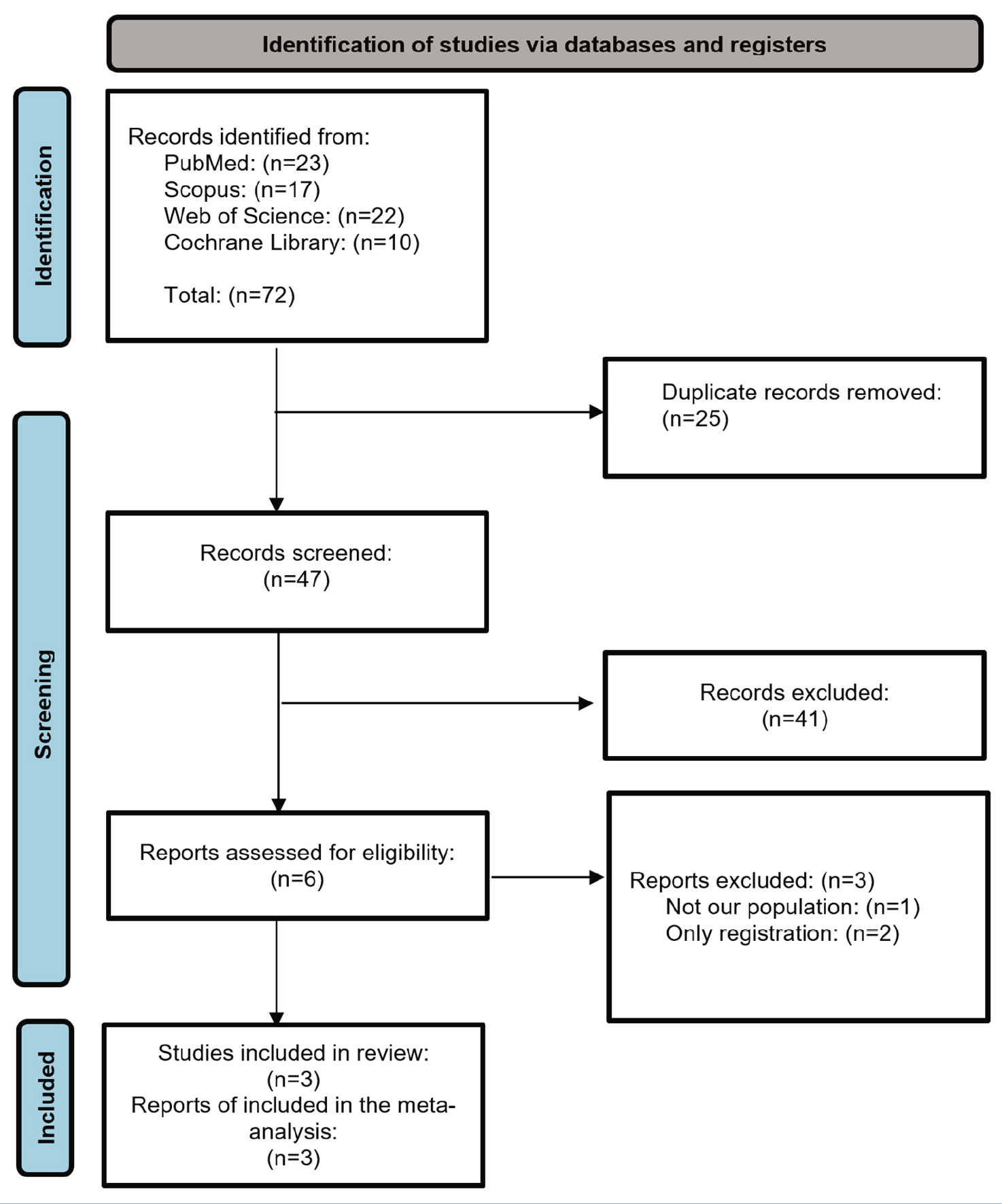
Figure 1. The PRISMA flow diagram shows the study screening and selection process.
Characteristics of the Included Studies
Three studies, involving a total of 450 patients undergoing THA, were included in the meta-analysis. In all studies, patients were assigned to receive either CSS+TXA or TXA+placebo or TXA only. A summary and baseline characteristics of the included studies are provided in tables 1 and 2, respectively. According to the Cochrane ROB2 assessment tool, the risk of bias was assessed as “low” for two studies (Luo 2021, Luo 2022), 30 , 31 and as presenting “some concern” in one study (Ye 2023), 32 as shown in figure 2 A, B.
| Study ID | Study Design | Population | Sample size (all groups) | Groups | Dose and route | Main findings |
|---|---|---|---|---|---|---|
| Luo 2021 31 | RCT | All patients diagnosed with hip osteoarthritis or femoral head necrosis, and scheduled for unilateral primary THA | 200 | CSS+TXA | IV 1,000 mg TXA was injected before skin incision, 40 mg CSS around the joint capsule prior to closure, and IV 60 mg CSS 3 hours following surgery. | CSS during or after THA lowered TBL, transfusion rates, postoperative pain, and inflammatory markers compared to placebo. Moreover, hip flexion was better. CSS usage did not increase VTE. IV with CSS topical injection reduced perioperative blood loss more than IV or CSS alone. |
| CSS TXA+placebo | IV 1,000 mg TXA was administered prior to skin incision, and 40 mg CSS was injected around the joint capsule prior to closure. IV 60 mg CSS was injected 3 hours following surgeries, and a placebo was given 3 hours after surgeries. | |||||
| CSS+TXA+placebo | IV 1,000 mg of TXA was administered before skin incision, a placebo was injected around the joint capsule intraoperatively, and 60 mg of IV CSS was delivered 3 h following surgeries. | |||||
| TXA+placebo | IV 1,000 mg TXA was injected before skin incision, placebo throughout surgeries, and placebo 3 hours postoperatively. | |||||
| Luo 2022 30 | RCT | All patients diagnosed with hip osteoarthritis or femoral head necrosis (Ficat III or IV) scheduled for unilateral primary total hip arthroplasty using DAA. | 150 | CSS+TXA+normal saline | IV 1 g of TXA (100 mL) was administered 5 min prior to the skin incision, and 60 mL of mixed fluid (40 mg CSS+60 mL saline [0.9% normal saline]) was injected around and within the joint capsule prior to closing it. | CSS plus TXA reduced blood loss more than TXA alone after THA. CSS and TXA improved postoperative hip pain and reduced inflammatory factors better than TXA alone. |
| TXA+placebo | IV 1 g of TXA was given 5 min prior to the skin incision, and 60 mL of mixed fluid (40 mg placebo [glucose powder]+60 mL saline) was injected around the joint capsule prior to closing it. | |||||
| Normal saline+placebo | IV 100 mL (0.9% normal saline) was injected 5 min prior to the skin incision, and 60 mL mixed fluid (containing 40 mg placebo+60 mL normal saline) was topically administered. | |||||
| Ye 2023 32 | Prospective, double-blind, RCT | Patients diagnosed with osteoarthritis of the hip or femoral head necrosis (Ficat stage IIIB or IV) | 100 | CSS+TXA | IV 1000 mg of TXA was injected, and IV 40 mg of CSS was injected within 3 h after surgery. | CSS, coupled with TXA, reduced postoperative blood loss and inflammation in DAA-THA patients. VTE and its related complications did not increase with CSS. |
| TXA+placebo | IV 1000 mg of TXA was injected +40 mg of placebo was received after surgery. | |||||
| THA: Total hip arthroplasty; CSS: Carbazochrome sodium sulfonate; TXA: Tranexamic acid; DAA: Direct anterior approach; VTE: Venous thromboembolism; TBL: Total blood loss; IV: Intravenous; RCT: Randomized controlled trial | ||||||
| Study ID | Groups | Number of patients (in each group) | Age (mean±SD) | Sex (male) n (%) | BMI (Kg/m2, mean±SD) | Operated side, left/right, n (%) | Diagnosis n (%) | ASA score n (%) | Hb preoperative (mean±SD) | Plt preoperative (mean±SD) | INR preoperative (mean±SD) | Hct (mean±SD) | PT (mean±SD) | aPTT (mean±SD) | D-dimer (mean±SD) | |||||
|---|---|---|---|---|---|---|---|---|---|---|---|---|---|---|---|---|---|---|---|---|
| Osteonecrosis of the femoral head n (%) | Osteonecrosis of the femoral head with osteoporosis n (%) | Osteoarthritis n (%) | Osteoarthritis with osteoporosis n (%) | I | II | III | ||||||||||||||
| Luo 2021 31 | TXA+ CSS | 50 | 56.8± 12.4 | 23 (46%) | 23.18± 3.12 | 25/25 (50%) | 19 (38%) | 14 (28%) | 7 (14%) | 10 (20%) | 11 (22%) | 32 (64%) | 7 (14%) | 133.9± 16.4 | 210.5± 60.5 | 1.0± 0.1 | 0.41± 0.04 | 27.1± 3.7 | 11.7± 0.7 | 1.0± 0.8 |
| TXA+ CSS+ placebo | 50 | 55.5± 12.3 | 24 (48%) | 23.04± 2.9 | 23/27 (54%) | 21 (42%) | 13 (26%) | 8 (16%) | 8 (16%) | 7 (14%) | 33 (66%) | 10 (20%) | 134.1± 15.0 | 210.4± 70.7 | 1.04± 0.2 | 0.42± 0.04 | 27.2± 3.0 | 11.9± 0.9 | 1.1± 1.4 | |
| TXA+ CSS+ placebo | 50 | 57.9± 13 | 28 (56%) | 24.14± 2.41 | 28/22 (44%) | 23 (46%) | 12 (24%) | 9 (18%) | 6 (12%) | 9 (18%) | 33 (66%) | 8 (16%) | 140.7± 15.4 | 204.9± 53.5 | 1.06± 0.2 | 0.43± 0.03 | 27.7± 3.5 | 11.8± 0.9 | 0.8± 0.8 | |
| TXA+ placebo | 50 | 58± 11.6 | 23 (46%) | 23.33± 2.99 | 26/24 (48%) | 24 (48%) | 8 (16%) | 10 (20%) | 8 (16%) | 7 (14%) | 34 (68%) | 9 (18%) | 134.7± 14.4 | 196.9± 54.5 | 1.05± 0.2 | 0.42± 0.03 | 26.5± 4.2 | 11.6± 0.6 | 0.9± 1.0 | |
| Luo 2022 30 | TXA+ CSS+ normal saline | 50 | 57.63± 12.10 | 26 (52%) | 23.04± 2.67 | NR | NR | NR | NR | NR | 5 (10%) | 33 (66%) | 12 (24%) | 13.92± 1.66 | NR | 0.95± 0.08 | 0.43± 0.05 | 11.05± 0.73 | 26.5± 4.2 | NR |
| TXA+ placebo | 50 | 59.40± 11.52 | 23 (46%) | 23.13± 2.24 | NR | NR | NR | NR | NR | 7 (14%) | 30 (60%) | 13 (26%) | 13.2± 1.35 | NR | 0.97± 0.08 | 0.41± 0.03 | 11.44± 0.88 | 26.4± 4.2 | NR | |
| Normal saline+ placebo | 50 | 59.26± 10.71 | 25 (50%) | 22.67± 2.83 | NR | NR | NR | NR | NR | 4 (8%) | 35 (70%) | 11 (22%) | 13.91± 1.69 | NR | 0.95± 0.07 | 0.43± 0.05 | 11.33± 0.89 | 26.6± 4.1 | NR | |
| Ye 2023 32 | TXA+ CSS | 50 | 53.9± 14.4 | 20 (40%) | 24.2± 3.8 | 26/24 (52%) | 35 (70%) | NR | 15 (30%) | NR | 5 (10%) | 37 (74%) | 8 (16%) | 13.5± 1.3 | 199.6± 78.6 | 1.0± 0.2 | 42.0± 4.0 | NR | NR | 1.2± 1.7 |
| TXA+ placebo | 50 | 55.9± 11.1 | 22 (44%) | 23.4± 3.0 | 25/25 (50%) | 38 (76%) | NR | 12 (24%) | NR | 8 (16%) | 34 (68%) | 8 (16%) | 13.6± 1.5 | 195.5± 55.1 | 1.0± 0.1 | 42.0± 4.6 | NR | NR | 0.9± 1.1 | |
| CSS: Carbazochrome sodium sulfonate; TXA: Tranexamic acid; Hct: Hematocrit; PT: Prothrombin time; aPTT: Activated partial thromboplastin time; INR: International normalized ratio; Hb: Hemoglobin; Plt: Platelet count; ASA: American Society of Anesthesiologists; NR: Not reported. | ||||||||||||||||||||
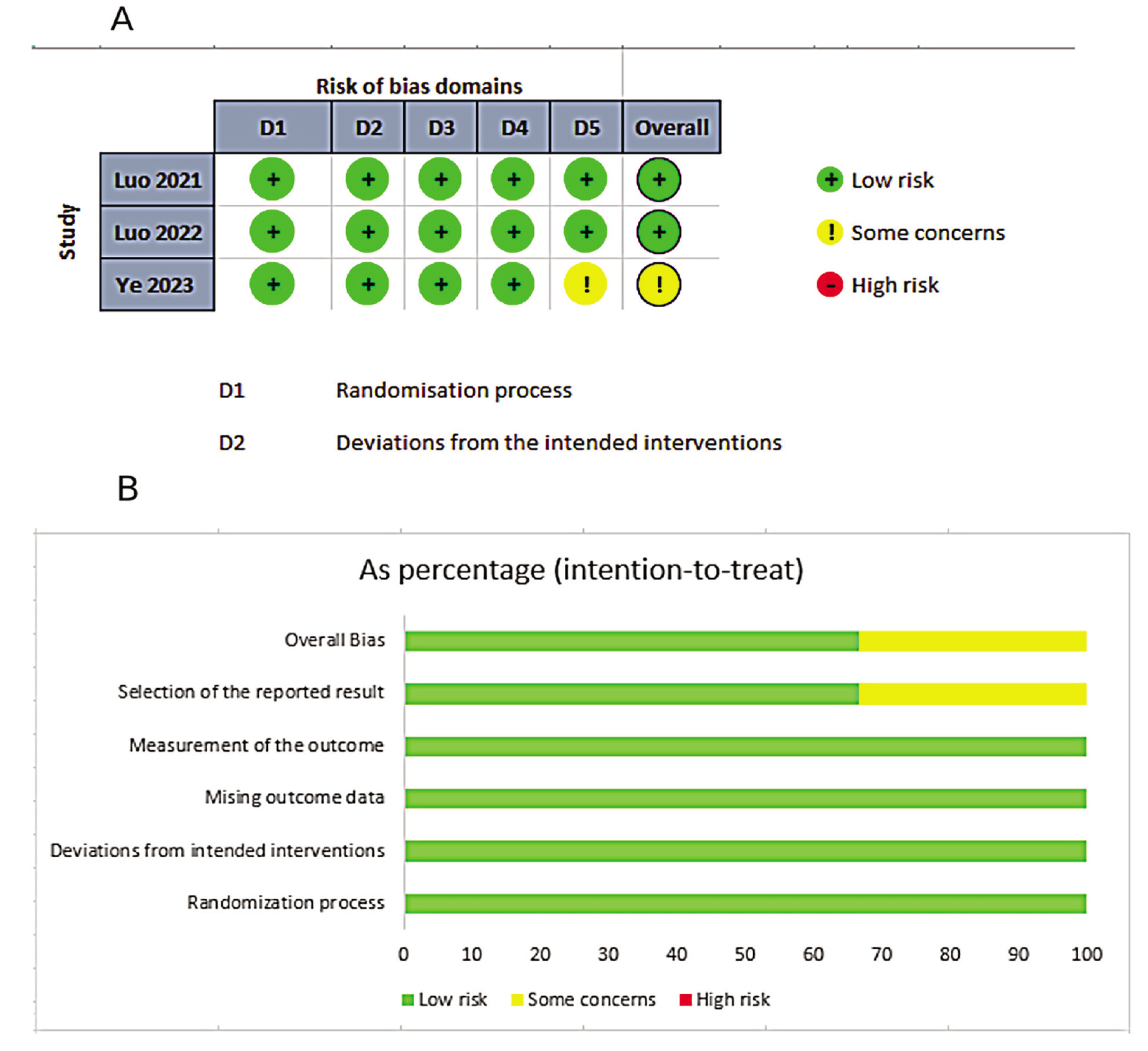
Figure 2. Assessment of risk of bias in the included randomized controlled trials was performed using the Cochrane Risk of Bias 2 (ROB2) tool. (A) Risk of bias judgments for each study. (B) Summary of the proportion of studies with low, some concerns, or high risk of bias across all domains.
Total Blood Loss
Three studies reported TBL in a total of 300 patients. The overall MD showed that the CSS+TXA group was associated with a significantly lower amount of TBL than the TXA+Placebo group (MD=-270.23 mL; 95% CI:[-344.43, -196.03]; P<0.001; figure 3A). The pooled studies were homogenous (P=0.99; I2=0%)
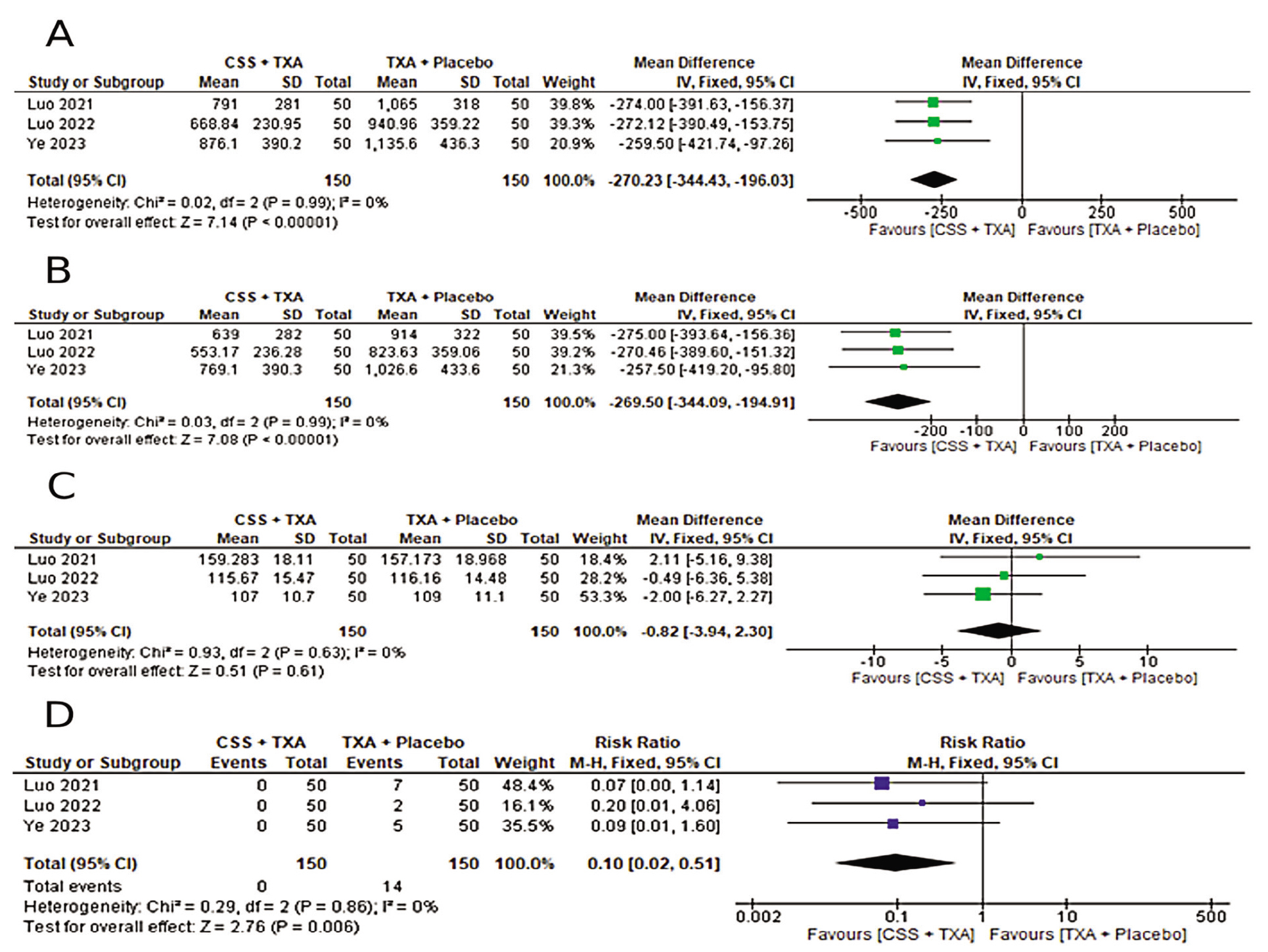
Figure 3. Forest plot of meta-analysis shows the comparison of combined CSS and TXA with TXA alone (placebo control) for four outcomes: (A) total blood loss, (B) hidden blood loss, (C) intraoperative blood loss, and (D) transfusion rate. CSS: Carbazochrome sodium sulfonate; TXA: Tranexamic acid; SD: Standard deviation; CI: Confidence interval; M-H: Mantel–Haenszel method; IV: Inverse variance method; RR: Risk ratio
Hidden Blood Loss
Three studies reported TBL in a total of 300 patients. The overall MD showed that the CSS+TXA group was associated with a significantly lower amount of HBL than the TXA+Placebo group (MD=-269.09 mL; 95% CI: [-344.09, -194.91]; P<0.001; figure 3B). The pooled studies were homogenous (P=0.99; I2=0%).
Intraoperative Blood Loss
Three studies reported IBL in a total of 300 patients. The overall MD between the CSS+TXA group and the TXA+Placebo group showed a non-statistically significant difference (MD=-82 mL; 95% CI: [-3.94, 2.30]; P=0.61; figure 3C). The pooled studies were homogenous (P=0.63; I2=0%).
Transfusion Rate
Three studies, involving a total of 300 patients, were included in this analysis. The overall RR between the CSS+TXA group had a significantly lower transfusion rate than the TXA+Placebo group (RR=0.10; 95% CI: [0.02, 0.51]; P=0.006; figure 3D). The pooled studies were homogeneous (P=0.86; I2=0%).
Length of Hospital Stay (LOS)
Three studies, involving a total of 300 patients, were included in this analysis. Although there was a tendency towards favoring the CSS+TXA group over the TXA+Placebo group, the difference was not statistically significant (MD=-0.09 day; 95% CI: [-0.27-0.08]; P=0.29); figure 4A). The pooled studies were homogenous (P=0.97; I2=0%).
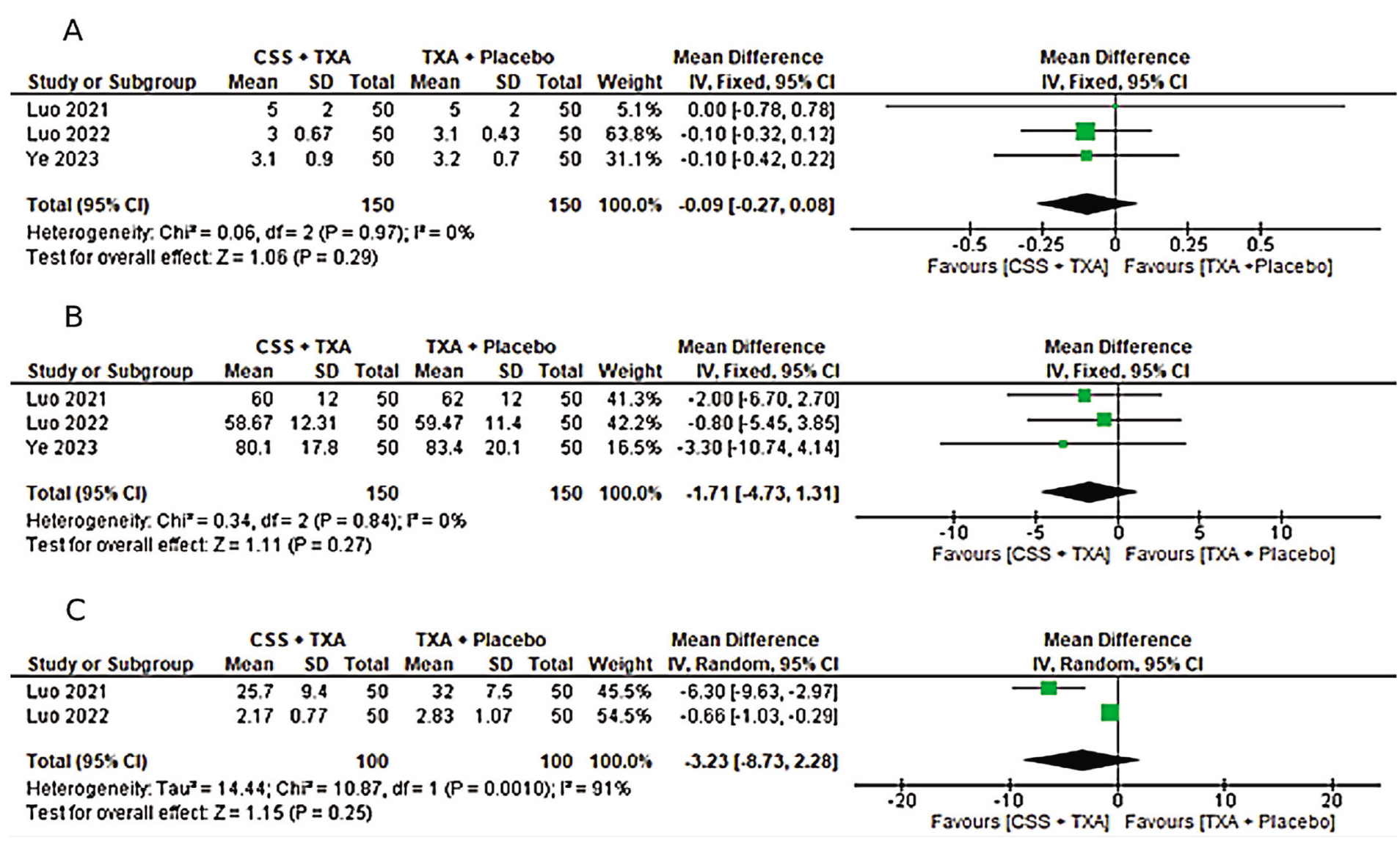
Figure 4. Forest plot of meta-analysis shows comparing the effects of CSS TXA versus TXA plus placebo on patient and procedural metrics: (A) length of hospital stay, (B) operating time, and (C) mean hemoglobin reduction. CSS: Carbazochrome sodium sulfonate; TXA: Tranexamic acid; SD: Standard deviation; CI: Confidence interval; IV: Inverse variance method; RR: Risk ratio
Operating Time
Three studies, involving a total of 300 patients, were included in this analysis. Although there was a tendency towards favoring the CSS+TXA group over the TXA+Placebo group, the difference was not statistically significant (MD=-1.71 min; 95% CI: [-4.73-1.31]; P=0.27; figure 4B). The pooled studies were homogenous (P=0.84; I2=0%).
Mean Hemoglobin Reduction
Two studies, involving a total of 200 patients, were included in this analysis. Although there was a tendency towards favoring the CSS+TXA group over the TXA+Placebo group, the difference was not statistically significant (MD=-3.23 g/dL; 95% CI: [-8.73, 2.28]; P=0.25; figure 4C). The pooled studies were not homogeneous (P=0.001; I2=91%).
Visual Analogue Scale Score
Two studies, involving a total of 200 patients, reported VAS scores. The overall MD showed that the CSS+TXA group was associated with a significantly lower VAS score at postoperative day 1 (POD1) (MD=-0.42; 95% CI: [-0.57, -0.27]; P<0.001) and POD2 (MD=-0.41; 95% CI: [-0.55, -0.26]; P<0.001). However, no significant difference was observed at POD3 (MD=-0.07; 95% CI: [-0.41, 0.28]; P=0.25); figure 5A). No heterogeneity was detected between studies for POD1 and POD2 (P>0.1; I2<50%). However, significant heterogeneity was present in POD3 (P=0.001; I2=90%).
Figure 5. The Forest plot of meta-analysis shows the comparison of CSS plus TXA versus TXA plus placebo groups regarding A: Visual analogue scale (VAS), B: C-reactive protein (CRP), and C: Interleukin-6 (IL6) levels. CSS: Carbazochrome sodium sulfonate; TXA: Tranexamic acid; SD: Standard deviation; CI: Confidence interval; IV: Inverse variance method; RR: Risk ratio
C-Reactive Protein
Two studies, involving a total of 200 patients, reported CRP levels. The overall MD showed a statistically significant decrease in CRP in the CSS+TXA group compared to the TXA+Placebo group in POD1 (MD=-22.01 mg/L; 95% CI: [-36.32, -7.71]; P=0.003), POD2 (MD=-33.14 mg/L; 95% CI: [-45.75, -20.53]; P<0.001), and POD3 (MD=-28.04 mg/L; 95% CI: [-36.79, -19.29]; P<0.001; figure 5B). Heterogenicity was detected between studies for POD1 (P=0.0002; I2=93%) and POD2 (P=0.07; I2=69%). However, no heterogeneity was detected in POD3 (P=0.11; I2=61%).
Interleukin-6
Two studies, involving a total of 200 patients, reported IL-6 levels. The overall MD showed a significantly lower IL-6 in the CSS+TXA group than the TXA+Placebo group at postoperative day 2 (POD2) (MD=-32.69; 95% CI:-52.36 to -13.02; P=0.001) and at POD3 (MD = -24.46; 95% CI: -34.38 to -14.53; P<0.001; figure 5C). The difference at POD1 did not reach statistical significance (MD=-50.98; 95% CI: -111.84 to 9.89; P=0.10). Heterogenicity was detected between studies for POD1 (P<0.0001; I2=99%), POD2 (P=0.006; I2=87%), and POD3 (P=0.04; I2=77%).
Complications
Wound complications: Three studies, involving a total of 300 patients, were included in this analysis. The overall RR showed no significant difference in wound complications between the CSS+TXA group and the TXA+Placebo group (RR=0.89; 95% CI: [0.36, 2.21]; P=0.80; figure 1, supplementary file). The pooled studies were homogenous (P=0.22; I2=32%). No cases of superficial infection, superficial wound necrosis, or deep infection were reported across the three studies.
Cardiovascular System Complications
Intermuscular Venous Thrombosis: Two studies, involving a total of 200 patients, were included in this analysis. The overall RR showed no significant difference in the incidence of intramuscular venous thrombosis (IMVT) between the CSS+TXA group and the TXA+Placebo group (RR=1.00; 95% CI: [0.47, 2.12]; P=1.00; figure 1, supplementary file). The pooled studies were homogenous (P=0.66; I2=0%). No other cardiovascular system (CVS) complications, such as deep vein thrombosis (DVT), pulmonary embolism (PE), or myocardial infarction (MI), were reported.
Other Complications: No neurological complications, such as epilepsy or stroke, were detected among patients in either group, as reported by Luo and others. 31
Regarding nausea, Ye and others reported that five cases were affected in the CSS+TXA group, compared to seven cases in the TXA+Placebo group. 32
Regarding vertigo, Ye and others reported that five cases were affected in the CSS+TXA group, compared to six cases in the TXA+Placebo group. 32
Ye and colleagues reported no cases of urticaria or muscle cramps in either group. 32 The safety profile across the different studies is summarized in supplementary table 2.
Discussion
This meta-analysis provided valuable insights into the combined utilization of CSS and TXA for reducing blood loss in THA surgeries. By systematically evaluating and synthesizing data from multiple studies, the present research highlighted the potential benefits of integrating CSS with TXA to improve surgical outcomes. This study addressed a significant gap in the literature, as previous research primarily focused on the individual effects of TXA, with limited attention given to combination therapy with CSS.
The present meta-analysis included three studies with a total of 450 participants. The analysis revealed that the addition of CSS to TXA significantly reduced perioperative blood loss compared to TXA alone. The combined therapy also demonstrated a lower need for blood transfusions and a reduction in postoperative inflammatory markers. The incidence of thromboembolic events and other complications did not increase with the addition of CSS, indicating that the combination therapy is both effective and safe for patients undergoing THA.
The significant decrease in perioperative blood loss observed with the combination of CSS and TXA could be attributed to the synergistic effects of these two agents. TXA is well known for its antifibrinolytic properties, which inhibit the breakdown of fibrin clots by blocking the conversion of plasminogen to plasmin. 9 This action effectively stabilizes blood clots and reduces bleeding during and after surgery. 9 , 32 CSS, on the other hand, enhances the hemostatic process through multiple mechanisms. First, CSS strengthens capillary walls and reduces capillary permeability, thereby minimizing blood loss from microvascular injury. 21 , 22 Second, CSS promotes platelet function and aggregation, which enhances the formation and stability of the initial platelet plug during the early stages of clot formation. 33 These mechanisms work in tandem with TXA’s antifibrinolytic properties to provide a more comprehensive hemostatic effect.
The reduction in HBL is particularly noteworthy. HBL, which includes blood loss into tissue spaces and joint cavities that is not immediately apparent, often contributes significantly to the overall blood loss after THA. 16 By stabilizing the capillary walls and enhancing clot stability, the combined use of CSS and TXA effectively reduces this hidden component of blood loss more than TXA alone. While TXA has been reported to reduce the HBL in THA, 34 the combination with CSS resulted in a greater reduction.
The decrease in postoperative inflammatory markers, including CRP and IL-6, observed in our analysis, suggested that CSS also exerts anti-inflammatory effects. By reducing the inflammatory response, CSS might help to minimize tissue edema and pain, contributing to improved postoperative recovery. The lower VAS pain scores in the groups receiving CSS support this hypothesis, indicating that patients experience less postoperative discomfort and may have better functional outcomes during rehabilitation. Furthermore, HBL often accumulates in third spaces, such as joint cavities, 16 leading to postoperative inflammation and pain. Reducing HBL can therefore decrease postoperative inflammation and pain, which may explain the lower inflammation levels and pain scores observed in the group receiving CSS and TXA than the TXA-alone group. Moreover, CSS can decrease capillary permeability, 21 , 22 which may lead to a reduction in the production and release of inflammatory factors. Although the relationship between levels of inflammatory factors and clinical outcomes is multifaceted, 35 - 37 the notable disparities in inflammatory factor levels observed between the groups are evident in clinical outcomes, including pain scores.
The included studies varied in CSS dosing (40-60 mg) and administration routes (intravenous versus topical). In addition, surgical approaches were not uniform, with some studies using the direct anterior technique while others employed posterior or lateral approaches. These factors introduce clinical heterogeneity and may influence the pooled effect estimates.
The non-significant impact on intraoperative blood loss, length of hospital stays, and operating time suggests that the primary benefits of the combined therapy are realized postoperatively, 38 rather than during the surgical procedure itself. This finding aligned with the pharmacological profiles of TXA and CSS, as their effects were more pronounced in the stabilization of clots and reduction of inflammation following the initial surgical insult. Additionally, although TBL and HBL were significantly reduced in the CSS+TXA group, no significant difference was observed in Hb reduction. This apparent discrepancy might be due to several factors. First, perioperative fluid administration might lead to hemodilution, obscuring the actual Hb reduction. Second, the timing of postoperative Hb measurement varied across studies, which could influence the measured nadir. Third, differences in transfusion thresholds and clinical decision-making might have affected the degree of Hb drop observed. These factors could limit the sensitivity of Hb levels as a sole marker of true blood loss in this context.
Our findings were in agreement with and extend the results of previous meta-analyses focused solely on TXA in THA. Previous meta-analyses have consistently demonstrated that TXA significantly reduces TBL, transfusion rates, and postoperative inflammatory markers when used alone. For instance, a meta-analysis by Yoon and colleagues reported that TXA efficiently decreased TBL and the need for transfusions without increasing the risk of thromboembolic events. 15 Similarly, a study by Qi and colleagues compared oral and intravenous TXA in THA and found no significant difference in TBL between the two methods. However, both methods effectively reduced blood loss and transfusion rates compared to placebo, underscoring the efficacy of TXA in managing perioperative bleeding. 12 Another meta-analysis by Sun and colleagues assessed the effects of intravenous, topical, and combined TXA administration. 13 This study confirmed that all methods reduced TBL and transfusion rates, with combined administration showing superior efficacy. It also highlighted that TXA did not elevate the risk of thromboembolic events, aligning with our findings on the safety of the combined CSS and TXA therapy. Furthermore, Chen and colleagues reported a meta-analysis focused on the efficacy of topical TXA in THA. 39 The study reported significant reductions in TBL and transfusion rates with topical TXA compared to placebo, without an increase in thromboembolic complications. This finding supported the notion that localized administration of hemostatic agents could be highly effective and safe. 40
The present meta-analysis is unique in that it evaluated the additional benefit of combining TXA with CSS. While TXA alone was shown to be effective, our findings indicated that the addition of CSS provided a further reduction in TBL and HBL, as well as enhanced control of postoperative inflammation. This combination therapy appears to offer superior hemostatic and anti-inflammatory benefits compared to TXA alone.
In terms of safety, both our study and previous meta-analyses of TXA found no significant increase in the incidence of thromboembolic events or other major complications. 13 , 15 , 39 This consistency across studies supported the safety profile of TXA, both alone and in combination with CSS, for patients undergoing THA.
The findings of the present study are particularly relevant in the context of hidden blood loss. Previous studies, such as that by Good and colleagues, highlighted that TXA alone was less effective at controlling HBL than visible blood loss. 19 Our meta-analysis demonstrated that the combination of CSS and TXA addressed this limitation, offering a more comprehensive reduction in blood loss, including the hidden component.
Additionally, the reduction in postoperative pain and inflammation observed with the combined therapy has important clinical implications. While previous meta-analyses reported mixed results regarding the impact of TXA on postoperative pain and inflammation, the present study provided clear evidence that the addition of CSS to TXA not only enhanced hemostasis but also contributed to better postoperative pain management and a reduced inflammatory response. This might lead to improved patient satisfaction and faster recovery times.
Moreover, regarding similar surgeries, several studies observed that the combination of CSS and TXA significantly reduced blood loss in total knee arthroplasty, which also supported our findings. 24 , 41 , 42
Our results supported the adoption of combined CSS and TXA therapy as a standard practice in THA surgeries to minimize blood loss and improve patient outcomes. Future research should focus on long-term outcomes associated with this therapy, including functional recovery and quality of life. Further studies could also explore the optimal dosages and administration protocols for maximizing the benefits of the combined therapy while minimizing any potential risks.
The strength of this meta-analysis lied in its rigorous methodology, including a comprehensive literature search, strict inclusion criteria, robust statistical analysis, and the inclusion of only RCTs. However, limitations included potential heterogeneity among the included studies regarding patient populations, surgical techniques, administration route, doses, and timing. Additionally, the relatively small number of studies available for inclusion, along with the small sample size in each study, did not allow for evaluation of publication bias. This also limited the generalizability of our findings and highlighted the need for further research to confirm and expand upon our findings. Furthermore, baseline data such as comorbidities and ASA scores were not consistently reported across all studies, limiting the assessment of patient comparability. Data on D-dimer levels and thromboembolic events were also incompletely reported, which restricted a full evaluation of the safety profile of CSS.
Based on our findings, we recommend incorporating combined CSS and TXA therapy into THA surgical protocols to decrease perioperative blood loss and enhance patient outcomes. Surgeons and healthcare providers might consider this combination therapy, especially for patients at high risk of bleeding. While the included studies did not report long-term functional outcomes (e.g., Harris Hip Score) or prosthetic complications, the present meta-analysis assessed a wide range of short-term clinical outcomes, including blood loss parameters, pain scores, inflammatory markers, transfusion needs, and complication rates. These results provided important insights into the early perioperative phase. Future trials with extended follow-up would be important to assess sustained benefits and long-term safety. Additionally, future research should aim to address the limitations identified in this study and explore additional benefits and potential risks of this therapy in diverse patient populations.
Conclusion
In conclusion, the combination of CSS and TXA significantly reduces TBL (by approximately 270 mL) and HBL (by approximately 269 mL), transfusion rates, postoperative pain, and inflammation markers, making it a promising adjunctive therapy in THA. However, it did not significantly impact intraoperative blood loss, length of hospital stay, operating time, or mean Hb reduction. The findings highlighted the potential benefits of CSS and TXA therapy while underscoring the need for further research to confirm these results and explore the underlying mechanisms. Future studies should focus on larger, more diverse populations, and long-term outcomes to fully establish the efficacy and safety of this combination therapy.
Authors’ Contribution
Conceptualization: M.W, O.A.A; Search strategy, searching databases: M.M.M, M.A.S; Screening: M.W, M.E, M.H.K, A.E; data Extraction: M.E, M.Q, A.M.S, M.A.S; supervision: O.A.A; analysis: M.W, M.E, A.M.S. All authors contributed to the Writing, editing, and revision of the manuscript. All authors have read and approved the final manuscript and agree to be accountable for all aspects of the work in ensuring that questions related to the accuracy or integrity of any part of the work are appropriately investigated and resolved.
AI Declaration
The authors used Grammarly AI for checking the grammars of the manuscript.
Conflict of Interest
None declared.
References
- Liu XW, Zi Y, Xiang LB, Wang Y. Total hip arthroplasty: areview of advances, advantages and limitations. Int J Clin Exp Med. 2015; 8:27-36. Publisher Full Text | PubMed [ PMC Free Article ]
- Varacallo MA, Luo TD, Johanson NA. Total hip arthroplasty techniques. In: StatPearls. Treasure Island (FL): StatPearls Publishing; 2022.
- Guillemin F, Rat AC, Mazieres B, Pouchot J, Fautrel B, Euller-Ziegler L, et al. Prevalence of symptomatic hip and knee osteoarthritis: a two-phase population-based survey. Osteoarthritis Cartilage. 2011; 19:1314-22. DOI | PubMed
- Kurtz S, Ong K, Lau E, Mowat F, Halpern M. Projections of primary and revision hip and knee arthroplasty in the United States from 2005 to 2030. J Bone Joint Surg Am. 2007; 89:780-5. DOI | PubMed
- Mariconda M, Galasso O, Costa GG, Recano P, Cerbasi S. Quality of life and functionality after total hip arthroplasty: a long-term follow-up study. BMC Musculoskelet Disord. 2011; 12:222. Publisher Full Text | DOI | PubMed [ PMC Free Article ]
- Yamate S, Hamai S, Lyman S, Konishi T, Kawahara S, Yamaguchi R, et al. Clinical evaluation of hip joint diseases: total hip arthroplasty to support patients’ quality of life. J Jt Surg Res. 2023; 1:18-25. DOI
- Sobrio SA, Johny A, Gu A, Wei C, Jones C, Cohen JS, et al. Pre-operative transfusions are associated with numerous post-operative complications in total hip arthroplasty. J Orthop. 2019; 16:241-4. Publisher Full Text | DOI | PubMed [ PMC Free Article ]
- Hong P, Liu R, Rai S, Liu J, Ding Y, Li J. Does Tranexamic Acid Reduce the Blood Loss in Various Surgeries? An Umbrella Review of State-of-the-Art Meta-Analysis. Front Pharmacol. 2022; 13:887386. Publisher Full Text | DOI | PubMed [ PMC Free Article ]
- McCormack PL. Tranexamic acid: a review of its use in the treatment of hyperfibrinolysis. Drugs. 2012; 72:585-617. DOI | PubMed
- Nilsson IM. Clinical pharmacology of aminocaproic and tranexamic acids. J Clin Pathol Suppl (R Coll Pathol). 1980; 14:41-7. Publisher Full Text | DOI | PubMed [ PMC Free Article ]
- Kolasinski J, Reysner T, Kolenda M, Kolacz S, Domagalska M. A systematic review and meta-analysis of systematic and topical tranexamic acid administration in aesthetic plastic surgery. Perioper Med (Lond). 2024; 13:52. Publisher Full Text | DOI | PubMed [ PMC Free Article ]
- Qi Y, Li Y, Wang C, Chen H, Rui Y. Comparison of oral and intravenous tranexamic acid in total hip arthroplasty: a systematic review and meta-analysis. Arthroplasty. 2020; 2:9. Publisher Full Text | DOI | PubMed [ PMC Free Article ]
- Sun Q, Li J, Chen J, Zheng C, Liu C, Jia Y. Comparison of intravenous, topical or combined routes of tranexamic acid administration in patients undergoing total knee and hip arthroplasty: a meta-analysis of randomised controlled trials. BMJ Open. 2019; 9:e024350. Publisher Full Text | DOI | PubMed [ PMC Free Article ]
- Xie CM, Yao YT, He LX, Yang K, Evidence In Cardiovascular Anesthesia G. Anti-inflammatory effect of tranexamic acid on adult cardiac surgical patients: A PRISMA-compliant systematic review and meta-analysis. Front Surg. 2022; 9:951835. Publisher Full Text | DOI | PubMed [ PMC Free Article ]
- Yoon BH, Kim TY, Ko YS, Lee YK, Ha YC, Koo KH. Optimal use of tranexamic acid for total hip arthroplasty: A network meta-analysis. PLoS One. 2018; 13:e0206480. Publisher Full Text | DOI | PubMed [ PMC Free Article ]
- Liu X, Zhang X, Chen Y, Wang Q, Jiang Y, Zeng B. Hidden blood loss after total hip arthroplasty. J Arthroplasty. 2011; 26:1100-5 e1. DOI | PubMed
- Aguilera X, Martinez-Zapata MJ, Bosch A, Urrutia G, Gonzalez JC, Jordan M, et al. Efficacy and safety of fibrin glue and tranexamic acid to prevent postoperative blood loss in total knee arthroplasty: a randomized controlled clinical trial. J Bone Joint Surg Am. 2013; 95:2001-7. DOI | PubMed
- Aguilera X, Martinez-Zapata MJ, Hinarejos P, Jordan M, Leal J, Gonzalez JC, et al. Topical and intravenous tranexamic acid reduce blood loss compared to routine hemostasis in total knee arthroplasty: a multicenter, randomized, controlled trial. Arch Orthop Trauma Surg. 2015; 135:1017-25. DOI | PubMed
- Good L, Peterson E, Lisander B. Tranexamic acid decreases external blood loss but not hidden blood loss in total knee replacement. Br J Anaesth. 2003; 90:596-9. DOI | PubMed
- Xie J, Hu Q, Huang Q, Ma J, Lei Y, Pei F. Comparison of intravenous versus topical tranexamic acid in primary total hip and knee arthroplasty: An updated meta-analysis. Thromb Res. 2017; 153:28-36. DOI | PubMed
- Mineji H, Satoshi M. Vascular strengthening agents and local hemostatic agents (indications and usage of hemostatic agents and antifibrinolytic agents). Journal of the Japanese Society on Thrombosis and Hemostasis. 2009; 20:278-80. DOI
- Matsumoto Y, Hayashi T, Hayakawa Y, Shinbo M, Niiya K, Sakuragawa N. Carbazochrome sodium sulphonate (AC-17) decreases the accumulation of tissue-type plasminogen activator in culture medium of human umbilical vein endothelial cells. Blood Coagul Fibrinolysis. 1995; 6:233-8. DOI | PubMed
- Oh-oka H, Yamada T, Noto H, Umeyama T, Kadekawa K, Ashitomi K, et al. Effect of carbazochrome sodium sulfonate on refractory chronic prostatitis. Int J Urol. 2014; 21:1162-6. DOI | PubMed
- Luo Y, Zhao X, Releken Y, Yang Z, Pei F, Kang P. Hemostatic and Anti-Inflammatory Effects of Carbazochrome Sodium Sulfonate in Patients Undergoing Total Knee Arthroplasty: A Randomized Controlled Trial. J Arthroplasty. 2020; 35:61-8. DOI | PubMed
- Page MJ, McKenzie JE, Bossuyt PM, Boutron I, Hoffmann TC, Mulrow CD, et al. The PRISMA 2020 statement: an updated guideline for reporting systematic reviews. BMJ. 2021; 372:n71. Publisher Full Text | DOI | PubMed [ PMC Free Article ]
- Higgins JPT, Thomas J, Chandler J, Cumpston M, Li T, Page MJ, et al. Cochrane handbook for systematic reviews of interventions. London: Cochrane; 2021.
- Ouzzani M, Hammady H, Fedorowicz Z, Elmagarmid A. Rayyan-a web and mobile app for systematic reviews. Syst Rev. 2016; 5:210. Publisher Full Text | DOI | PubMed [ PMC Free Article ]
- Sterne JAC, Savovic J, Page MJ, Elbers RG, Blencowe NS, Boutron I, et al. RoB 2: a revised tool for assessing risk of bias in randomised trials. BMJ. 2019; 366:l4898. DOI | PubMed
- Egger M, Davey Smith G, Schneider M, Minder C. Bias in meta-analysis detected by a simple, graphical test. BMJ. 1997; 315:629-34. Publisher Full Text | DOI | PubMed [ PMC Free Article ]
- Luo Y, Releken Y, Yang D, Yue Y, Liu Z, Kang P. Effects of carbazochrome sodium sulfonate combined with tranexamic acid on hemostasis and inflammation during perioperative period of total hip arthroplasty: A randomized controlled trial. Orthop Traumatol Surg Res. 2022; 108:103092. DOI | PubMed
- Luo Y, Zhao X, Yang Z, Yeersheng R, Kang P. Effect of carbazochrome sodium sulfonate combined with tranexamic acid on blood loss and inflammatory response in patients undergoing total hip arthroplasty. Bone Joint Res. 2021; 10:354-62. Publisher Full Text | DOI | PubMed [ PMC Free Article ]
- Ye S, Chen M, Luo Y, Zhao C, Li Q, Kang P. Comparative study of carbazochrome sodium sulfonate and tranexamic acid in reducing blood loss and inflammatory response following direct anterior total hip arthroplasty: a prospective randomized controlled trial. Int Orthop. 2023; 47:2553-61. DOI | PubMed
- Dunn CJ, Goa KL. Tranexamic acid: a review of its use in surgery and other indications. Drugs. 1999; 57:1005-32. DOI | PubMed
- Affygility Solutions. Carbazochrome sodium sulfonate. In: OEL Fastrac Catalog. Louisville (KY): Affygility Solutions; 2024.
- Akti S, Zeybek H, Bilekli AB, Celebi NO, Erdem Y, Cankaya D. The effect of tranexamic acid on hidden blood loss in total hip arthroplasty. Jt Dis Relat Surg. 2022; 33:102-8. Publisher Full Text | DOI | PubMed [ PMC Free Article ]
- Bergin PF, Doppelt JD, Kephart CJ, Benke MT, Graeter JH, Holmes AS, et al. Comparison of minimally invasive direct anterior versus posterior total hip arthroplasty based on inflammation and muscle damage markers. J Bone Joint Surg Am. 2011; 93:1392-8. Publisher Full Text | DOI | PubMed [ PMC Free Article ]
- Manner P. Good start on using biochemical markers to compare surgical trauma in total hip replacement approaches: commentary on an article by Patrick F. Bergin, MD, et al.: “Comparison of minimally invasive direct anterior versus posterior total hip arthroplasty based on inflammation and muscle damage markers”. J Bone Joint Surg Am. 2011; 93:e89. DOI | PubMed
- Poehling-Monaghan KL, Taunton MJ, Kamath AF, Trousdale RT, Sierra RJ, Pagnano MW. No Correlation Between Serum Markers and Early Functional Outcome After Contemporary THA. Clin Orthop Relat Res. 2017; 475:452-62. Publisher Full Text | DOI | PubMed [ PMC Free Article ]
- Chen S, Wu K, Kong G, Feng W, Deng Z, Wang H. The efficacy of topical tranexamic acid in total hip arthroplasty: a meta-analysis. BMC Musculoskelet Disord. 2016; 17:81. Publisher Full Text | DOI | PubMed [ PMC Free Article ]
- Dong Y, Liang J, Tong B, Shen J, Zhao H, Li Q. Combined topical and intravenous administration of tranexamic acid further reduces postoperative blood loss in adolescent idiopathic scoliosis patients undergoing spinal fusion surgery: a randomized controlled trial. BMC Musculoskelet Disord. 2021; 22:663. Publisher Full Text | DOI | PubMed [ PMC Free Article ]
- Akizuki S, Yasukawa Y, Takizawa T. A new method of hemostasis for cementless total knee arthroplasty. Bull Hosp Jt Dis. 1997; 56:222-4. PubMed
- Onodera T, Majima T, Sawaguchi N, Kasahara Y, Ishigaki T, Minami A. Risk of deep venous thrombosis in drain clamping with tranexamic acid and carbazochrome sodium sulfonate hydrate in total knee arthroplasty. J Arthroplasty. 2012; 27:105-8. DOI | PubMed


